Viper V7.0 EVO vs Locktober cage: two complete four-ring kits compared on documented contents, materials and selection flow — no invented winner.
This guide is not medical advice. Stop use if significant pain, numbness, swelling, discoloration or circulation concerns occur.
Two complete kits, four rings each, totally different parts around those rings. The Viper V7.0 EVO and the Locktober Chastity Cage are the two most-compared packages in this category, and the comparison is genuinely close — which makes it a perfect case for package-list comparison instead of slogan comparison.
This guide puts the two documented kits side by side on the rows that matter: contents, materials, selection flow, and the questions a listing cannot answer for you. The material-family background is in the polymer guide.
What is included in each kit?
Viper V7.0 EVO: one selected cage body (length chosen as variant), four base rings at 38/43/48/52 mm, a lock with two keys, and a safety pin. Locktober: one cage body (size chosen as variant), four rings, a lock with two keys, and a support belt included in the package. Both arrive as complete, wearable kits — no missing-ring surprises — and both state their contents in print.
The difference is the accessory philosophy. Viper’s box adds a locking-stack spare (the safety pin); Locktober’s box adds a wear accessory (the belt). Neither is a luxury version of the other — they are equal kits with one different bonus part, and that part is the cleanest decision axis between them.
Which component materials are documented?
Viper documents a nylon-resin body; its rings and lock follow the kit’s hardware spec. Locktober documents an ABS-resin cage with aluminum-alloy rings and an aluminum-alloy lock — a deliberately mixed-material kit, with metal where the load sits and polymer where the shell is. The material mix changes weight distribution, thermal feel and care: aluminum rings and lock on the Locktober, versus the Viper’s polymer-led package.
Do not upgrade either claim into more than it says. Neither listing claims medical grading, and neither material name is a comfort promise — comfort comes from fit, which comes from the ring range and length options you select. Materials set the care routine and the feel family; fit decides whether you enjoy either kit.
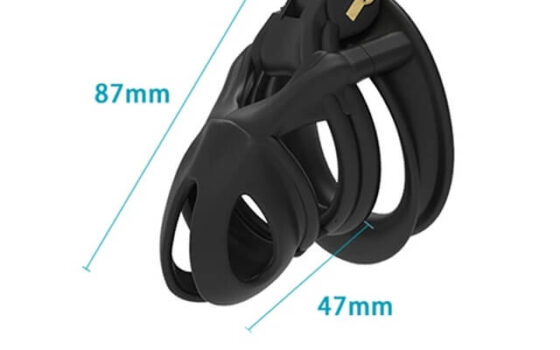
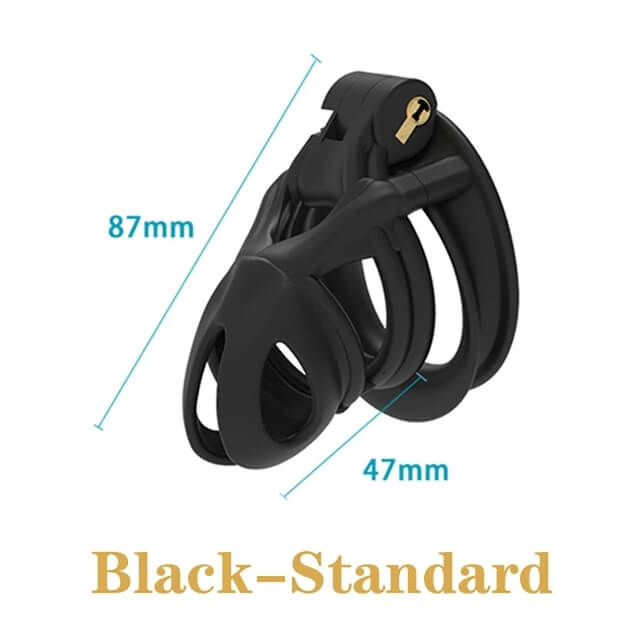
The Viper Chastity Cage V7.0 EVO
Kit one — polymer-led, four rings, safety pin: Choose the Viper V7.0 EVO for a nylon-resin kit with four base rings. One selected cage, a lock with two keys and a safety pin are included, giving you a clear starting set without buying each ring separately. Select the cage size on the product page.

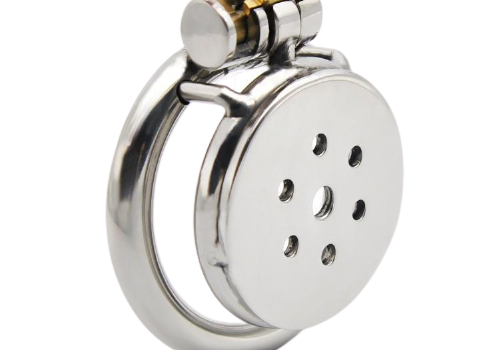
Locktober Chastity Cage
Kit two — ABS with aluminum rings, four rings, belt included: The Locktober Chastity Cage brings an ABS-resin cage, four aluminum-alloy rings and a support belt into one kit. Choose the No Urethral option for the basic configuration, then select the cage size. It is a straightforward choice when those included parts match the setup you are looking for.

How are cage and ring options selected?
Both kits select the cage at checkout: Viper by color (Black/White) and length class (Nub/Nano/Small/Standard); Locktober by cage size (S/M/L) and configuration — where the listing’s No Urethral option is the plain configuration this site recommends for general wear. Ring sets are included, not selected: Viper’s four fixed sizes ship automatically, and Locktober’s four rings ship with the kit.
That makes the pre-order checklist identical for both: confirm your measured ring size sits inside the included range, choose the cage variant from the chart (not the name), and verify the configuration wording means what you assume. If both kits cover your ring range, the choice collapses to the package difference — safety pin versus belt — and the material mix you prefer.
Which unanswered questions should decide the next step?
Neither listing tells you how the kit will feel on your body over a workday — no listing can. The unanswered questions are the personal ones: does your measured length match a Viper class or a Locktober size more cleanly? Do you want a belt from day one (Locktober) or consider one later as a separate accessory? Does a metal-ring kit appeal (Locktober) or a polymer-led package (Viper)?
Answer those three and the comparison resolves itself — this is not a best-overall contest, and this guide declines to invent one winner. The kit whose package matches your answers is the better kit for you; both listings document enough to make that decision safely, which is rarer in this category than it should be.
Four rings each, different souls. Viper keeps the package polymer and adds a locking spare; Locktober mixes in aluminum and adds a belt. Read the two package lists against your answers — length fit, belt preference, material taste — and buy the kit whose box matches your list, not whose slogan matches your mood.
This guide includes promotional links to ChastityCage.co. To compare both listings directly, browse chastity cage kits at ChastityCage.co.