Work and sitting
Desk posture, commuting, privacy, movement breaks and why seated fit can differ from standing fit.
Practical planning for work, clothing, exercise, sleep, showering, travel and the routines that make everyday wear manageable.
Daily wear adds movement, heat, clothing, privacy and time to the fit equation. A cage that feels acceptable for an hour at home may behave differently during commuting, desk work, exercise or sleep.
This section focuses on routines and real situations. It is not a target for continuous wear at any cost. Readers should build experience gradually, maintain hygiene and keep a realistic removal plan for health, security or travel needs.
Stop device use if significant pain, numbness, swelling, discoloration or circulation concerns occur. Seek appropriate professional care when needed.
Each topic below opens the detailed guides for that question.
Desk posture, commuting, privacy, movement breaks and why seated fit can differ from standing fit.
Nighttime erections, interrupted sleep, emergency access and reasons not to force overnight wear.
Cleaning around the device, drying fully and planning regular removal where the design limits access.
Movement, impact, sweat and clothing considerations across different activities.
How seams, support garments, device profile and fabric affect comfort and visibility.
Practical removal planning for airports, medical situations, accommodation and unfamiliar routines.
The newest guides in this channel, updated automatically.
Pack a gym bag around a chastity cage: separate zones, sealed private pouch for detached parts, post-session cleaning planned — per session type, not…
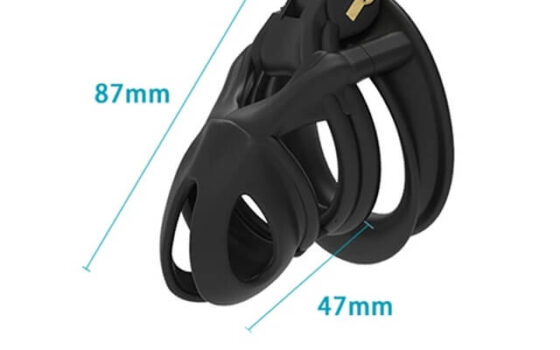
A cabin-packing layout for a chastity cage kit: clean separated components, protected locks, private documentation — and current official rules checked before you fly.
Plan bathroom access before wearing a chastity cage: ordinary needs unrestricted, private removal fallback per venue, and no goal ever delays care.
Hard case or soft pouch for a chastity kit: impact protection versus space, metals separated from delicate surfaces, maker's storage instructions followed.
Photograph a new chastity kit before mixing parts: unopened package, grouped components, size labels, defect close-ups — filed privately for accurate support requests.
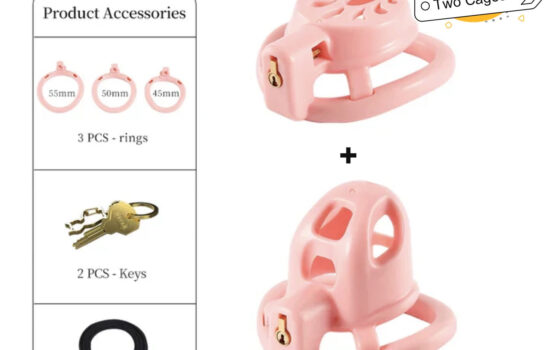
When a trouser front seam meets chastity cage hardware: identify the contact, compare the dressed outline, try other garments — then consider the device…
Short answers to the questions readers ask most, with links to the detailed guides.
Some people can after establishing a suitable fit, but nighttime discomfort is common. First attempts should allow immediate removal and should stop if pain, numbness or concerning swelling occurs.
Cleaning needs depend on the device and wearer, but regular washing, complete drying and skin inspection are essential. Enclosed designs may require more frequent removal.
Plan to remove it. Screening rules, metal detection, privacy and emergency access make travel a poor place to rely on assumptions.
Contextual links connect adjacent questions without turning every page into a list of all thirteen hubs.
Measurement, ring size, cage length, ball gap, hygiene and troubleshooting guidance for more informed wear.
Open channel →Everyday lifeConsent-led guidance for discussing chastity, setting expectations and keeping trust and communication central.
Open channel →FoundationsUnderstand the practical differences between cage styles, materials, locking systems and design choices before comparing individual devices.
Open channel →