Metal cages
Weight, rigid construction, open designs, cleaning access and situations where metal may feel too demanding.
Understand the practical differences between cage styles, materials, locking systems and design choices before comparing individual devices.
Chastity cages vary in material, profile, ring design, ventilation, access and locking method. Those differences affect weight, cleaning, discretion and the range of bodies a design can fit.
This hub explains device categories rather than acting as a product catalogue. Use it to learn the trade-offs, then continue to fit guidance before treating any style as suitable for daily or extended wear.
Stop device use if significant pain, numbness, swelling, discoloration or circulation concerns occur. Seek appropriate professional care when needed.
Each topic below opens the detailed guides for that question.
Weight, rigid construction, open designs, cleaning access and situations where metal may feel too demanding.
Lightweight options, enclosed versus ventilated shells and the importance of smooth, stable surfaces.
Flexibility, cleaning considerations and why softness alone does not guarantee a stable fit.
How reduced profiles change positioning, pressure points and everyday discretion.
The support, security and fit differences between conventional base rings and alternative mounting systems.
Padlocks, integrated locks, security seals and the practical need for reliable emergency removal.
The newest guides in this channel, updated automatically.
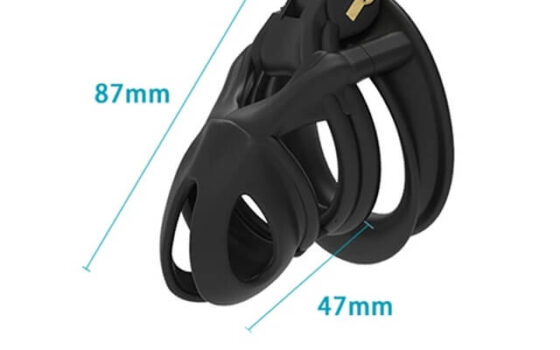
A chastity kit's “from” price is its cheapest option, not your configuration: select the intended package, review the updated cart, compare final selected prices.
Bar layout is a side, bottom and cleaning-access question. Compare chastity cage bar spacing and geometry beyond the front view before ordering.
Choose an inverted chastity cage without optional inserts: identify the base configuration, separate attachment rows, and read the redirected-geometry diagram first.
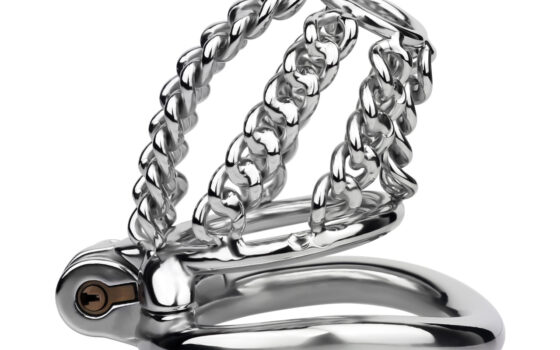
Polished and matte metal finishes differ in reflection, texture and care — not quality. Identify the documented finish and follow its own care restrictions.

Match a replacement padlock's shackle to the specified opening: diameter passes, clearance fits the stack, orientation clears — and never force a near match.
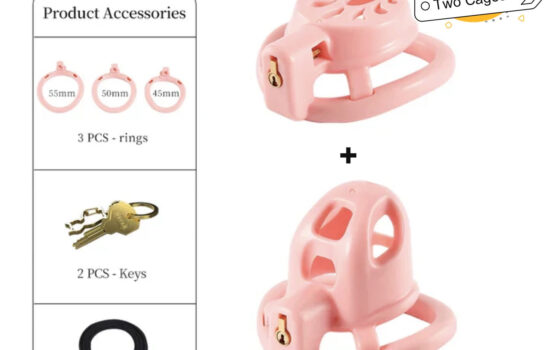
The Flat & Small Set's two bodies share three rings and a belt — one order, one fitting system, a controlled comparison of two…
Short answers to the questions readers ask most, with links to the detailed guides.
Not automatically. Security depends on the complete design and fit. Material also changes weight, rigidity, cleaning and comfort, so stronger is not always more appropriate.
They may reduce forward movement and visibility under clothing, but a shorter profile can also shift pressure elsewhere. Fit must be assessed as a system.
Both matter, but measurements and anatomy determine whether a style can work safely. A popular design is not a substitute for a suitable ring, gap and length.
Contextual links connect adjacent questions without turning every page into a list of all thirteen hubs.
Measurement, ring size, cage length, ball gap, hygiene and troubleshooting guidance for more informed wear.
Open channel →ResearchCriteria-led comparisons of materials, profiles and design systems—without fake rankings, affiliate pressure or one-size-fits-all winners.
Open channel →FoundationsA calm, practical introduction to how chastity works, what to discuss first and which early decisions matter most.
Open channel →