Base ring size
How a ring should support the device without creating persistent compression, slipping or tissue trapping.
Measurement, ring size, cage length, ball gap, hygiene and troubleshooting guidance for more informed wear.
Comfort is not a single measurement. Ring size, ball gap, cage length, device weight, surface finish and daily movement all influence how a cage feels over time.
This hub is for readers choosing a size or trying to understand pressure, rubbing, pinching and hygiene problems. It emphasizes observation and adjustment. Significant pain, numbness, swelling, discoloration or circulation concerns are reasons to remove the device, not training milestones.
Stop device use if significant pain, numbness, swelling, discoloration or circulation concerns occur. Seek appropriate professional care when needed.
The newest guides in this channel, updated automatically.
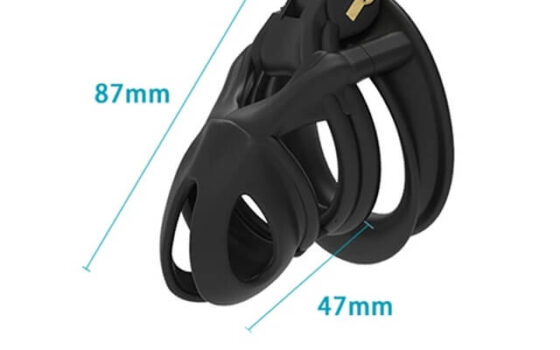
Measure an empty chastity cage with a ruler: visible reference points, inside vs overall length, axis alignment — and what the ruler honestly cannot…
Measure a detached chastity ring's inner opening with a caliper: inner faces only, off the body, width and height recorded separately for non-round rings.
Take a useful chastity cage measurement photo: object and ruler in one plane, camera square, reference points visible, saved with the model name.
Same listed chastity cage length, different internal space: taper, wall thickness and variants hide inside the number. Compare usable dimensions to choose.
The same chastity ring size describes different shapes: what the number refers to, width vs height vs profile, connection checks — and why preferences…
A short chastity cage does not require a narrow opening: treat length and width independently, read entrance and internal rows, and test the fit…
Remeasure before a new cage when weight, routine or fit feedback has changed — and always check the new model's reference points.
Build a chastity cage comparison worksheet: eight fields per kit, honest unknowns, and three elimination rules that turn the sheet into a decision.
Nub, Nano, Micro and Small are brand-specific names, not standard sizes. Learn which millimeter dimensions replace them when comparing cages.
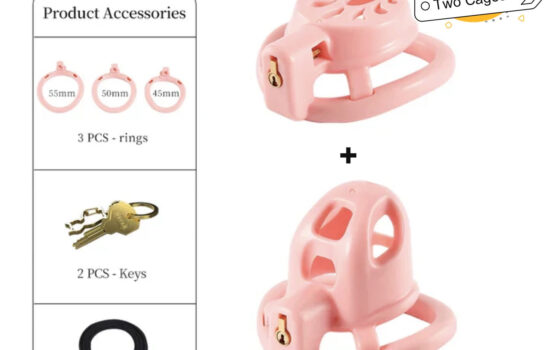
Spot a chastity cage dimension conflict, diagnose units vs reference points, ask the seller the right question, and know when to pause the order.
Learn to read a chastity cage size chart correctly: arrow start and end points, cage versus ring dimensions, model matching and what to ask…
A base-ring-specific diagnostic that avoids repeating the complete loose-cage guide.
Each topic below opens the detailed guides for that question.
How a ring should support the device without creating persistent compression, slipping or tissue trapping.
Why spacing affects security and pinching, and why copied measurements rarely transfer perfectly.
How internal length, body position and movement interact; longer is not automatically more comfortable.
How to identify friction points, rough edges, weight-related movement and unsuitable geometry.
Cleaning access, drying, routine inspection and the limits of wearing through irritation.
What nocturnal erections can reveal about length, ring tension and whether overnight wear is appropriate.
Short answers to the questions readers ask most, with links to the detailed guides.
It should be secure without causing persistent pain, numbness, marked swelling or discoloration. Finger-rule shortcuts are only rough checks and cannot replace observing circulation and movement.
Normal adjustment and harmful pressure are not the same. Repeated or worsening pain, pinching, numbness or skin damage signals a fit problem that needs removal and reassessment.
Body position changes skin tension, device angle and pressure. Fit should be tested while walking, sitting, bending and sleeping—not only while standing still.
Contextual links connect adjacent questions without turning every page into a list of all thirteen hubs.
Understand the practical differences between cage styles, materials, locking systems and design choices before comparing individual devices.
Open channel →Everyday lifePractical planning for work, clothing, exercise, sleep, showering, travel and the routines that make everyday wear manageable.
Open channel →ResearchDirect answers to specific questions about cages, fit, safety, relationships and daily life, with deeper guides linked where needed.
Open channel →