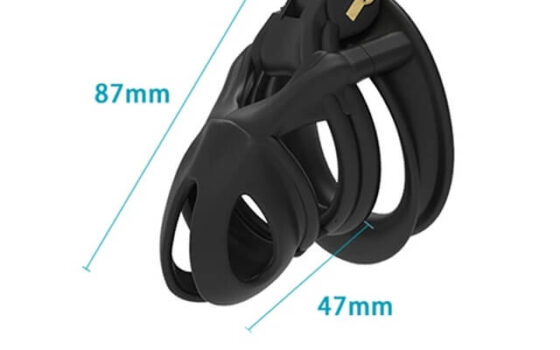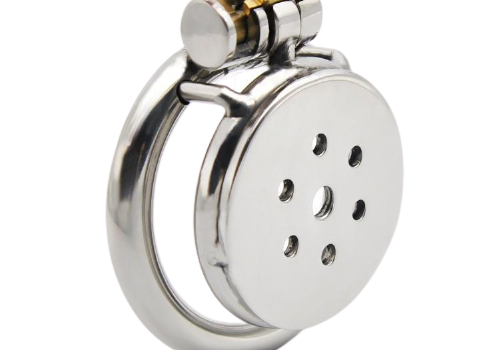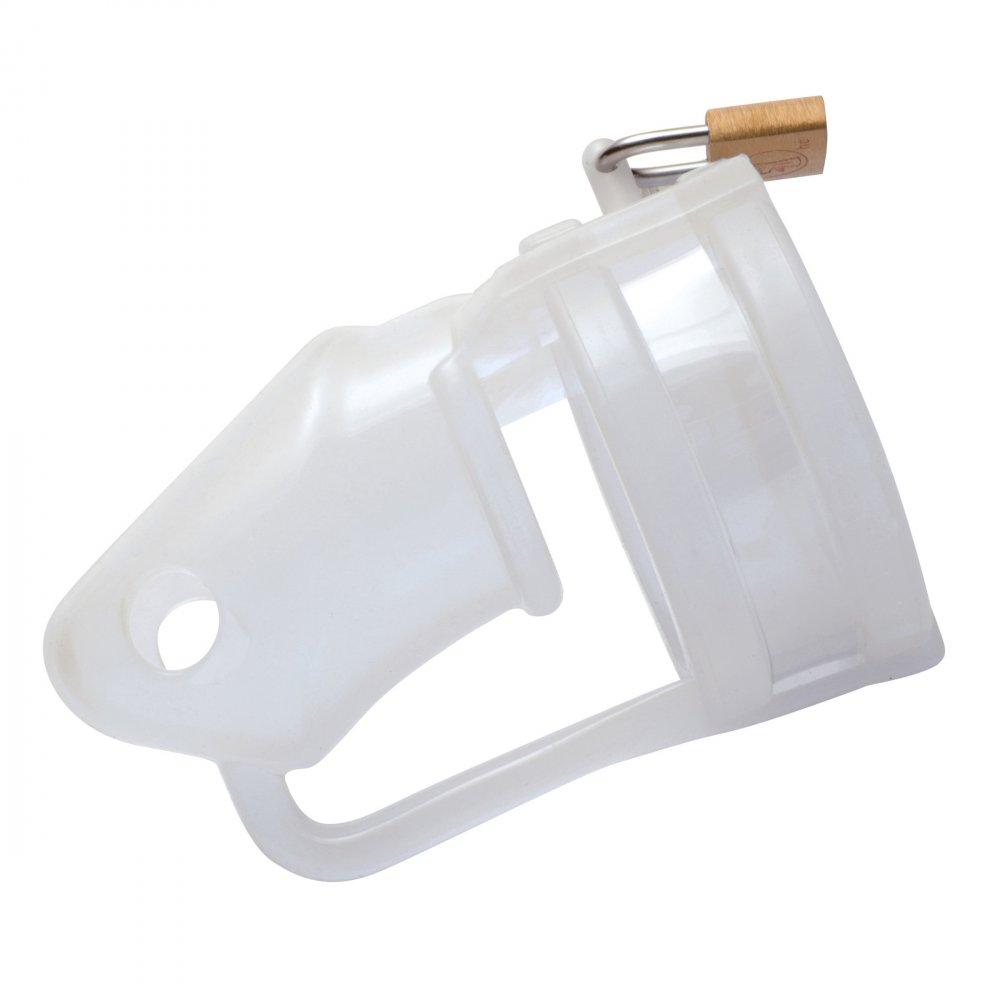
Silicone kit vs rigid cage kit, package by package: Sado Chamber (silicone shell, three rings, seals) versus Locktober (ABS, aluminum rings, belt).
This guide is not medical advice. Stop use if significant pain, numbness, swelling, discoloration or circulation concerns occur.
Kit-versus-kit comparisons usually collapse into material tribalism. The honest version compares two documented packages row by row: what’s silicone, what’s rigid, what ships in each box, and what each maker says about care. The material question then answers itself for your routine.
This guide runs that comparison between the Sado Chamber silicone kit and the Locktober rigid kit. The material-level differences are covered in the plastic-versus-silicone guide; this page stays on packages.
What parts are made from silicone?
In the Sado Chamber kit: the cage body itself — a flexible silicone shell, with the kit’s rings, lock and plastic accessories (five numbered seals, two plastic bands) as non-silicone components. The flexibility lives in the shell; the hardware around it stays conventional. That split matters for expectations: a silicone body handles differently, assembles differently, and cares differently — while its rings and lock behave exactly like their rigid-kit counterparts.
On the Locktober side, nothing is silicone: ABS shell, aluminum rings and lock, belt. The comparison is therefore silicone-shell-versus-rigid-shell with conventional hardware on both sides — a cleaner comparison than the marketing usually admits.
Which rings and locking parts are included?
Sado Chamber package: one silicone cage, three rings, a lock with keys, five numbered seals, two plastic bands. Locktober package: one cage (size selected), four rings, a lock with two keys, a support belt. Count the rows: the rigid kit adds a belt and a fourth ring; the silicone kit adds the seals-and-bands evidence layer. Each package is coherent for its design philosophy — fitting range plus anchoring versus flexibility plus documented closure options.
Ring counts differ (three versus four), and neither number is a verdict: what matters is whether the included range brackets your measured size — the standing first check before any package comparison means anything.
SadoChamber Silicone Chastity Device
The silicone package: The Sado Chamber silicone kit includes one cage, three rings, a lock with keys and the listed plastic accessories. Choose it when you are comparing a silicone option with a rigid cage kit. Use this model’s own size information instead of transferring measurements from a different product.

Locktober Chastity Cage
The rigid package: The Locktober Chastity Cage brings an ABS-resin cage, four aluminum-alloy rings and a support belt into one kit. Choose the No Urethral option for the basic configuration, then select the cage size. It is a straightforward choice when those included parts match the setup you are looking for.

Which specifications are directly comparable?
The package rows themselves, ring ranges, lock types and key counts — stated on both listings. Dimensions get the usual care: each kit’s own chart on its own reference points, no cross-brand size-name borrowing. What doesn’t compare directly is shell behavior: silicone’s flex has no rigid-column equivalent, and rigidity’s fixed geometry has no silicone equivalent. The comparison table handles rows; the feel difference requires the fit test each kit’s documentation supports.
Weight claims, where stated per listing, join the comparable rows — borrowed from neither kit, invented by neither guide.
What care information must be checked for each kit?
Each kit’s own text, per component. Silicone asks its compatibility questions (lubricants, cleaning agents) and its drying discipline (flexible folds hold moisture); the rigid kit asks its aluminum-and-ABS questions (lock tolerance, belt care). The numbered seals add their own single-use logic on the silicone side. Two kits, two care documents — read both before the first wash, not after the first mistake.
The shared rule across both packages: complete drying before storage, and component-table honesty about what each part is made of. The care text is part of what you buy; the comparison isn’t complete until both paragraphs are read.
Two documented kits, two philosophies: flexible shell with evidence hardware, rigid shell with belt and fitting range. Compare the rows, verify the ring ranges, read both care texts — and let your routine pick the philosophy. The packages speak clearly; the comparison just has to listen.
This guide includes promotional links to ChastityCage.co. To compare both kits’ listings, browse silicone chastity cages at ChastityCage.co.