This guide is not medical advice. Stop use if significant pain, numbness, swelling, discoloration or circulation concerns occur.
Mid-challenge replacement is where seasonal pressure does its worst work: a badge, a calendar and a checkout button in one afternoon. The honest version keeps the month out of the decision — equipment needs get compared like any other purchase, and symptoms get the safety guides, not a new cage.
This guide is the replacement-decision process. The season’s own framework is in the Locktober guides; the parts-versus-kit logic continues in the replacement decision guide.
What exactly needs replacing?
Name the failed item at component level: the ring (which size), the lock (which type), the belt (which attachment), the body (which variant). “The setup isn’t working” is not a replacement spec; “the 48 mm ring’s finish wore rough at the closure” is. Component-level naming routes the decision correctly — parts guides for components, kit guides for bodies — and prevents the classic over-buy where a worn ring retires a whole functioning kit.
Write the need as a sentence with a measurement in it before opening any store page. The sentence is the decision’s spine; everything after is verification.
Which measurements and part identifiers should be kept?
Your proven numbers (ring size, usable length — remeasured if anything has changed) and the hardware’s identifiers (model, version, the exact variant, connector style). The kit records page holds these; the replacement order quotes them. Identifiers matter double mid-season, because listings rotate and a “same” product name can hide a changed design — the model-discontinuation guide covers that trap.
Keep the failed part photographed too: the replacement conversation, warranty or return starts with what the old component looked like at the end.
Would a whole kit or one confirmed part answer the need?
Follow the decision logic: if the exact matching part is available and everything else in the kit passes inspection, buy the part. If multiple components fail, the fit was never settled, or the part is unavailable for your version, the complete-kit route answers — ideally one whose package list documents what yours didn’t. Both example kits (four-ring and two-body) make whole-kit replacement straightforward precisely because their lists document everything.
The mid-season version adds one constraint: delivery time. A part that ships in days beats a kit that ships in weeks if the need is real — and neither beats waiting if the need is imagined.
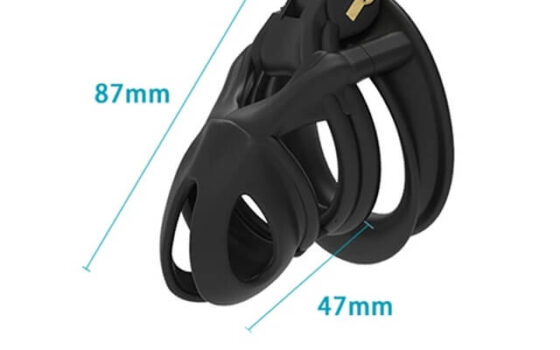
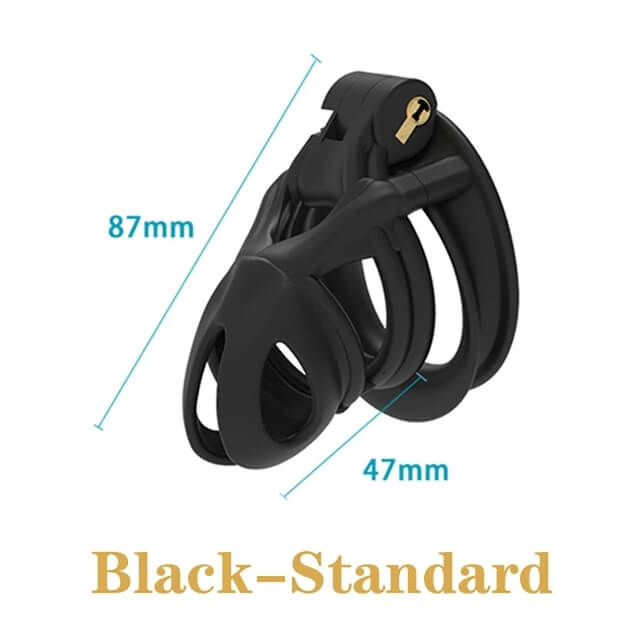
The Viper Chastity Cage V7.0 EVO
The whole-kit route, documented end to end: Choose the Viper V7.0 EVO for a nylon-resin kit with four base rings. One selected cage, a lock with two keys and a safety pin are included, giving you a clear starting set without buying each ring separately. Select the cage size on the product page.

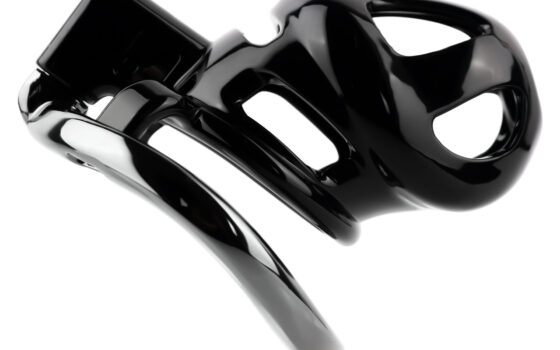
Flat & Small Chastity Cage Set
And the alternative whose two bodies and belt answer multi-part failures: The Flat & Small Set includes two cage shapes, three rings, two keys and an adjustable support belt. Choose it when you would rather compare a flat and a small shape within one package than order two separate kits. Pink and Black are separate color choices.

Which seasonal pressure should not drive the choice?
All of it. Not the badge (a streak is not a fitting criterion), not the calendar (a date cannot size a ring), not a challenge community’s durations (they wear their measurements, not yours). If the replacement decision can’t survive the sentence “the season doesn’t matter here,” it isn’t a replacement decision — it’s a purchase the season talked you into, and the fit guides will be unimpressed by it in November.
The month is a fine deadline for finishing verification and a terrible substitute for verification itself. Replace what the equipment honestly needs, on the equipment’s evidence — and let the badge look after itself.
Name the component, quote the records, choose part or kit on availability and documentation — and leave the season out of the arithmetic. Replacing hardware mid-challenge is ordinary maintenance wearing a costume; run the ordinary process, and the costume changes nothing.
This guide includes promotional links to ChastityCage.co. For documented replacement candidates, see the Locktober collection at ChastityCage.co.
Related ChastityNow guides
- Replacement part vs new kit
- Identify your cage model