This guide is not medical advice. Stop use if significant pain, numbness, swelling, discoloration or circulation concerns occur.
Listings move: products get revised, renamed, retired or replaced by something wearing the old name. Owners discover this when a reorder link changes or a spare part stops matching — and the discovery is only a problem when it’s mistaken for an answer. This guide reads the change honestly.
Identification fundamentals are in the model-identification workflow; this page covers the moment the ground moves under a known model.
Do you have the original model details?
The kit records answer first: model and version as purchased, order date, variant, the delivery-day photos. These details are the anchor every change is measured against — “the listing changed” only means something next to what the listing was. Owners without records reconstruct via the seller’s order lookup (per the identification workflow) and then start the records habit, because this scenario is precisely the one it exists for.
The anchor also includes the hardware itself: connector photographs and the kit’s own parts, which no listing edit can revise. Records plus hardware make the owner the authority on what they own — the listing is just current marketing’s version.
Is the new page a replacement or a different design?
Read the new listing against your anchor, row by row: version numbering (“V7.0 EVO” succeeding an earlier body says lineage), package list changes (a fourth ring appearing or a belt row vanishing says revision), connector photographs (different joint says different design wearing a familiar name). Replacement designs continue a line; different designs borrow its shelf space. The rows distinguish them; the name cannot.
Where the change is genuinely ambiguous — new photos, no version statement, a chart that moved — the seller question asks it directly: “Is the current [product name] the same design as the one sold in [your date range], and if not, what changed?” One reply settles what the shelf implied.
Which compatibility statement is missing?
The sentence that would connect your owned hardware to whatever the new page sells: “parts fit the previous version” or “this is a new design with new parts.” Its absence is the finding. Nothing on a changed listing proves backward compatibility — not the name, not the photos, not the familiar description text. Until the maker or seller states the relationship, treat the new page’s parts as designed for the new page’s hardware.
This is also the moment to re-check any spares strategy built on the old model: the emergency padlock matched to a post, the spare ring matched to a connector. Anchored hardware, unchanged; its documentation just got thinner.
The Viper Chastity Cage V7.0 EVO
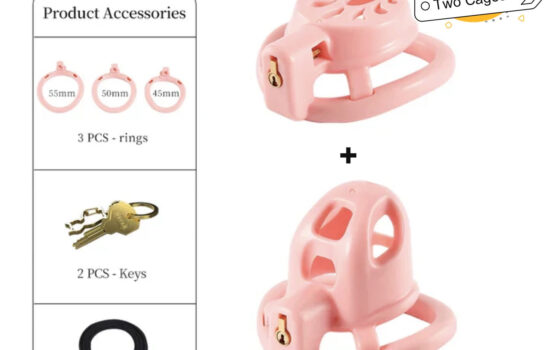
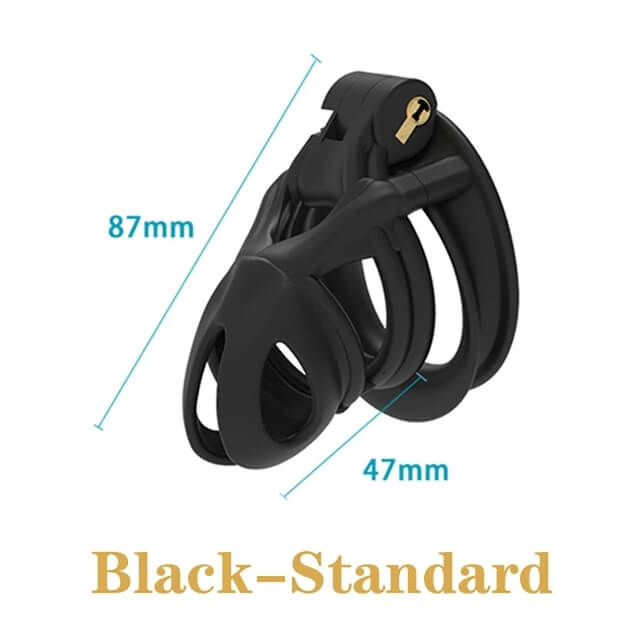
The kind of listing that carries its own version markers — an anchor-friendly product page: Choose the Viper V7.0 EVO for a nylon-resin kit with four base rings. One selected cage, a lock with two keys and a safety pin are included, giving you a clear starting set without buying each ring separately. Select the cage size on the product page.

What should be compared before switching kits?
The standard rows, old anchor versus new candidate: package lists, ring ranges against your (re)measured size, usable length classes, connector style, care documentation. Switching because a listing changed is only justified when the new kit’s rows match your needs better than the old one’s did — and “my model disappeared” is not itself a fitting need. Your proven numbers transfer; the comparison decides whether the new hardware deserves them.
And the quiet option deserves its row: keep wearing the owned kit. Discontinued from a store is not discontinued from working — hardware ages by use and care, not by listing status. Switch when the comparison says so; otherwise, the change was the store’s, not yours.
Anchor to your records, read the new page against them, name the missing compatibility statement, and run the standard comparison before any switch. Listings change all the time; owners with anchors change nothing but their source of spares. The ground only moves for buyers who were standing on the listing.
This guide includes promotional links to ChastityCage.co. For current listings with version markers, browse chastity cage kits at ChastityCage.co.
Related ChastityNow guides
- Identify your cage model
- Replacement part vs new kit