Metal vs plastic
Rigidity, weight, ventilation, cleaning, discretion and the practical consequences of each material.
Criteria-led comparisons of materials, profiles and design systems—without fake rankings, affiliate pressure or one-size-fits-all winners.
Useful comparisons explain trade-offs. Weight, rigidity, hygiene, concealment, access and fit can matter more than a simple “best” label, and the right priority changes with the intended use.
Use this section when you’re deciding between materials, cage profiles or locking systems. Each comparison focuses on practical trade-offs such as fit, weight, cleaning, discretion and everyday use.
Each topic below opens the detailed guides for that question.
Rigidity, weight, ventilation, cleaning, discretion and the practical consequences of each material.
Profile, movement, positioning and why a flatter design is not automatically more comfortable.
Support, setup, security and fit differences between alternative systems.
How internal length changes movement and pressure instead of simply matching external anatomy.
Cleaning access, skin contact, visibility and support across different shell styles.
Profile, noise, convenience, maintenance and emergency-removal considerations.
The newest guides in this channel, updated automatically.
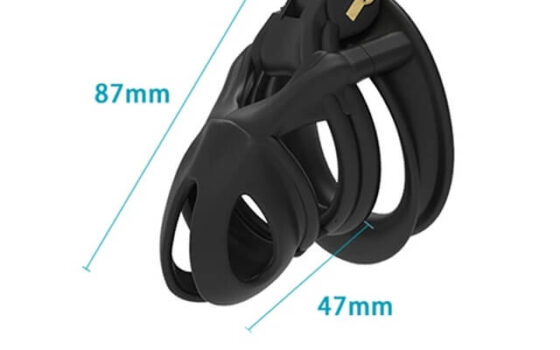
A review of another chastity cage variant may not answer your question: check the reviewed size and version, file observations, and never transfer fit…
A nylon label names the polymer family, not a grade: identify the named polymer, separate process from material, follow finished-product care — never add…
A removable chastity lock changes the cleaning routine: identify permitted disassembly, follow the lock's separate instructions, and never equate removal with cleanliness.
Full-belt charts measure waist and hip at the maker's stated positions: locate them, separate the dimensions, use the specific guide — never convert clothing…
Viper V7.0 EVO vs Chainmail Steel: rigid resin kit with four included rings versus open steel mesh with one selected ring — compared component…
Viper V7.0 EVO vs Butterfly Flat: contoured resin with a four-ring fitting range versus flat stainless with one selected ring — choose for the…
Short answers to the questions readers ask most, with links to the detailed guides.
There is no universal best material. Weight, rigidity, skin response, cleaning access and intended wear determine which trade-offs matter.
They can reduce forward profile, but clothing, body shape and device angle also affect visibility. A flatter design may introduce different pressure points.
No. Comparisons narrow the design choices; measurements and cautious testing determine whether a specific system works for the wearer.
Contextual links connect adjacent questions without turning every page into a list of all thirteen hubs.
Understand the practical differences between cage styles, materials, locking systems and design choices before comparing individual devices.
Open channel →FoundationsMeasurement, ring size, cage length, ball gap, hygiene and troubleshooting guidance for more informed wear.
Open channel →ResearchDirect answers to specific questions about cages, fit, safety, relationships and daily life, with deeper guides linked where needed.
Open channel →