Elastic straps give continuously; non-stretch straps hold fixed settings. Compare adjustment systems, security over time and care — by stated material and range.
This guide is not medical advice. Stop use if significant pain, numbness, swelling, discoloration or circulation concerns occur.
The elastic-versus-non-stretch question is really about adjustment philosophy: continuous give versus fixed settings. Both hold a strap in place; they hold differently, care differently, and suit different routines. Compared honestly — which this guide does structurally, without inventing two products where the market documents one clearly — the choice is straightforward.
The Elasticity Belt represents the elastic pattern with a stated adjustable design. Care background continues in the component-care guide; sizing in the sizing guide.
Which part stretches and which part adjusts?
In an elastic strap, the band’s elastic section stretches continuously while the hardware — buckle or slider — sets the base size: material gives, hardware holds. In a non-stretch strap, nothing gives: the band is fixed webbing or leather, and every fit change happens through adjustment hardware — more holes, more slider travel, more buckle. The elastic pattern buys micro-adjustment for free; the non-stretch pattern buys precision that never fatigues.
The feels differ accordingly: elastic moves with you and returns; non-stretch holds exactly where set, hour after hour. Neither is superior — they are different answers to the same question, and your preference between give and fixity is the whole decision.
How is the strap secured?
Elastic designs secure at a set size whose tension the material maintains; the hardware’s job is holding the base setting, and the elastic’s job is keeping tension between settings. Non-stretch designs secure entirely through hardware: the fastener carries the full load, which is why their buckles and eyelets are built heavier. Check whichever design you buy for the load path — where the strap’s tension actually transfers to hardware — and inspect that path during cleaning.
Security over time is the honest differentiator: elastic tension relaxes with age and washing; hardware settings hold until changed. A two-year-old elastic strap is a different strap than it was; a two-year-old buckle setting is the same setting.
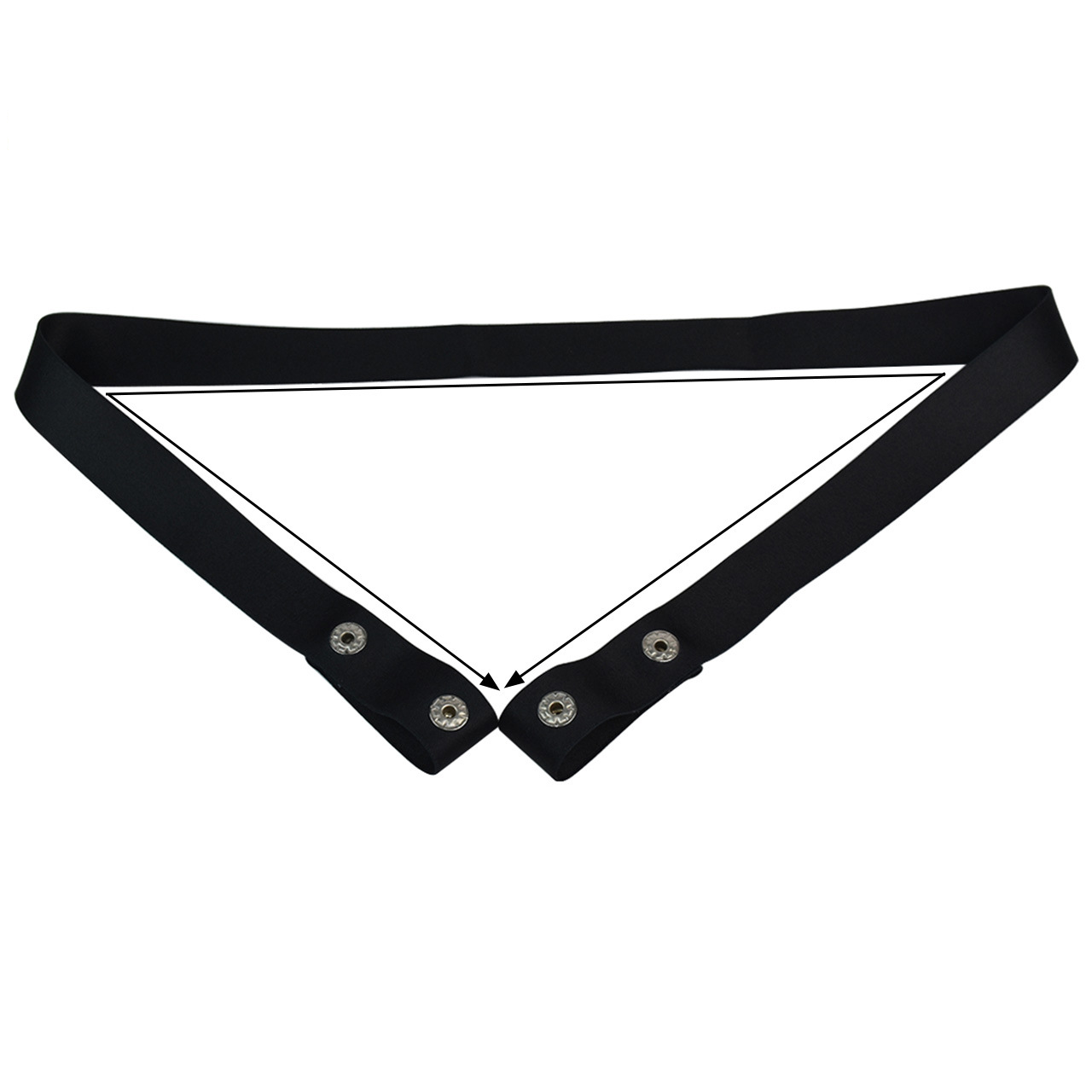
Elasticity Belt For Chastity Cage
The elastic pattern, documented — adjustable band, stated range, named colors: The Elasticity Belt is a separate support accessory, not a complete chastity cage. It is available in Black, Pink and White, with an adjustable elastic design. Compare its attachment points with your existing setup before ordering; a support strap does not replace a correctly selected cage and ring.

What care instructions differ?
Elastic wants gentle treatment: mild wash, air dry away from heat, and retirement when tension visibly sags — heat and aggressive washing age elastic faster than wear does. Non-stretch webbing and leather take their own care lines: webbing tolerates more washing; leather wants conditioning and dry storage. In both families, the attachment hardware keeps the lock-adjacent rules: dry, inspected, never soaked on hope.
Follow the maker’s stated care for whichever strap you own — material-specific instructions outrank every general guide. The Elasticity Belt’s listing carries its own care line; that paragraph is the strap’s whole maintenance manual.
Which claims require a stated material and range?
All of them: “stretchy,” “strong,” “one-size” and “universal” mean nothing until a listing states the material (what stretches or doesn’t) and the range (what it fits). The Elasticity Belt models the honest pattern — adjustable elastic, stated waist range, named colors. Any strap listing missing those rows is a candidate for the seller question, not the order button.
This guide compares structures, not products, because the market documents one pattern clearly here — and an honest comparison of one documented design against a structural alternative is worth more than a fabricated head-to-head. Buy the pattern that fits your preference for give or fixity, from the listing that states its material and range.
Elastic gives, webbing holds, hardware secures both. Choose your adjustment philosophy, read the material and range before believing any claim, and care for the strap by its own stated rules. The best strap is the one whose give — or fixity — matches the day you actually live.
This guide includes promotional links to ChastityCage.co. To review the elastic pattern, view the Elasticity Belt at ChastityCage.co.