Nylon and ABS name different polymers with different component mixes. Compare what each kit listing states — material, parts and care — before choosing.
This guide is not medical advice. Stop use if significant pain, numbness, swelling, discoloration or circulation concerns occur.
“Plastic cage” hides a materials question. Nylon resin and ABS resin are both rigid polymers, both molded, both capable of a smooth wearable finish — and listings use the names loosely enough that buyers end up comparing folklore instead of facts. The honest comparison happens on three rows: what material the listing names, which components carry that material, and what care instructions come with it.
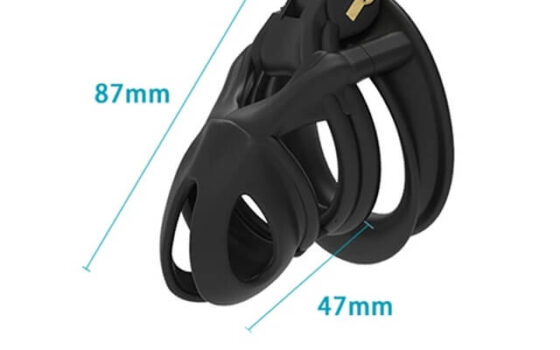
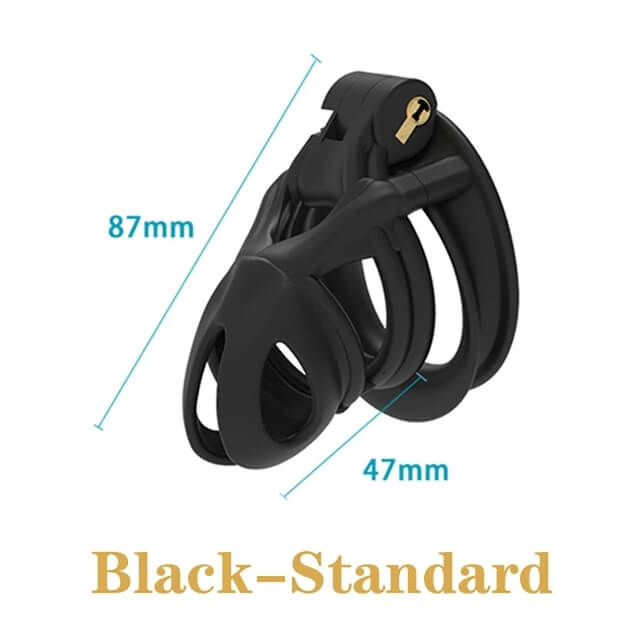
This guide runs that comparison using the Viper V7.0 EVO (nylon resin) and the Locktober Chastity Cage (ABS resin with aluminum rings) as the two examples. The material family overview lives in the plastic and resin guide; the printed-versus-molded distinction is covered in the 3D-printed comparison.
Which material does the listing actually name?
Start with the exact word on the product page. The Viper listing names a nylon-resin body; the Locktober listing names an ABS-resin cage with aluminum-alloy rings. Those are different polymers with different reputations for finish and feel, and neither name implies anything about the other components — a “nylon kit” can still include metal rings, and an “ABS kit” can include an aluminum lock, as this one does.
Ignore material claims that appear only in marketing copy. “Premium resin,” “space-grade polymer” and “body-safe plastic” are not material names; nylon resin and ABS are. If a listing never names its polymer, that absence is the first data point — ask, or shop a listing that states it.
Is the manufacturing process stated separately?
Material and process are different facts: injection-molded nylon and printed nylon behave differently in layer lines, seam placement and surface finish. The two example kits are molded designs, which usually means smooth shells with seam lines at mold joints; printed bodies carry visible layer texture instead. The listing’s photos show the finish — look at the seam and vent edges closely, because that is where molding quality shows up first.
Process also hints at dimensional consistency: molded parts repeat well between units, printed parts vary with each batch and orientation. For rings and pins — the precision parts — consistency matters more than for the shell. Neither example kit asks you to mix processes: bodies, rings and locks each arrive in their stated materials, which keeps the finish inspection simple: check each component against its own material’s expectations.
The Viper Chastity Cage V7.0 EVO
The nylon-resin example, four rings and integrated lock included: Choose the Viper V7.0 EVO for a nylon-resin kit with four base rings. One selected cage, a lock with two keys and a safety pin are included, giving you a clear starting set without buying each ring separately. Select the cage size on the product page.

Are all components made from that material?
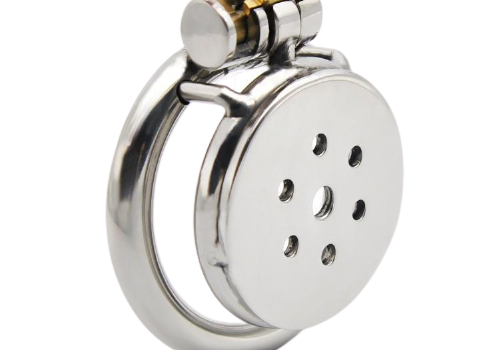
Almost never — and the mix is a feature, not a defect. The Viper kit’s four rings and lock join a nylon body; the Locktober kit puts aluminum rings and an aluminum lock on an ABS cage. Metal rings change the weight distribution and the thermal feel of a “plastic kit,” and an integrated lock changes the profile versus a padlock. The package list tells you the mix; your preferences decide whether that mix suits you.
Read the mix against your priorities: all-polymer hardware runs quieter and lighter; metal rings add rigidity and weight where the load sits. Neither is the “correct” configuration — they are two honest engineering choices, both visible in the same package-list reading this guide keeps returning to.
Locktober Chastity Cage
The ABS-resin example, aluminum rings and belt in the kit: The Locktober Chastity Cage brings an ABS-resin cage, four aluminum-alloy rings and a support belt into one kit. Choose the No Urethral option for the basic configuration, then select the cage size. It is a straightforward choice when those included parts match the setup you are looking for.

Which care instructions belong to the selected product?
Care follows the material mix, not the headline polymer. Warm water and mild soap suit both example bodies; what differs is the hardware around them — locks, pins and rings may have their own tolerance for soaking, heat or drying. Follow the selected product’s own care text over any general guide (including this one), because the maker knows its exact mix.
Two care rules survive every material mix: full drying before storage — polymer interiors hold moisture against skin — and inspection of seams and vent edges after each clean, where molding flash and wear show first. The decision between nylon and ABS is much smaller than the decision to maintain whichever one you buy: care discipline beats polymer choice, every single time.
Nylon versus ABS is a real distinction with modest stakes: both deliver rigid, light, molded cages when finished well. Choose by stated material, stated components and stated care — the listing that documents all three earns the order, whatever polymer it names.
This guide includes promotional links to ChastityCage.co. To compare current polymer kits, browse plastic chastity cages at ChastityCage.co.