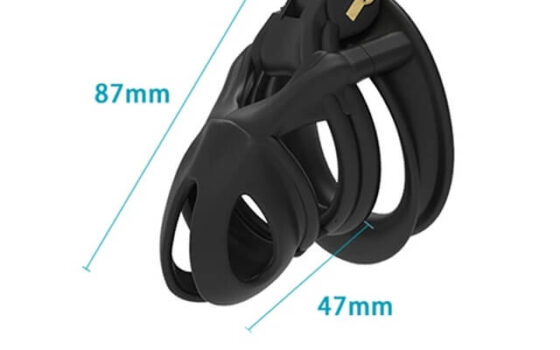
A couple-centered October plan that treats keyholding as agreed responsibility and allows either person to revise the challenge.
This guide is not medical advice. Stop use if significant pain, numbness, swelling, discoloration or circulation concerns occur.
One partner may be enthusiastic about wearing a cage while the other is only mildly curious about holding a key. A workable plan makes room for that difference instead of turning October into a test of the relationship. Enthusiasm can also fade mid-month — a mid-October check-in that renegotiates sessions, unlocks or a device-free finish is a healthy use of the challenge, not a failure of it.
Share separate goals
Each person explains what would make the month enjoyable and what they do not want. Do not assume identical motivations.
Define the keyholder workload
Agree normal unlock timing, messages, tasks and availability. The partner may choose a smaller role or no keyholding role.
Write specific consent and privacy
Define device use, denial, photos, online sharing, work and third-party boundaries. Consent remains ongoing and reversible.
Schedule useful check-ins
Ask about sensation, skin, sleep, mood, relationship pressure and whether the plan still feels chosen.
Plan the ending
Choose a review date, possible early finish and aftercare outside the roles. No automatic extension into November.
Use decision gates instead of a streak
| Check | Decision |
|---|---|
| Both people want the current format? | Revise rather than persuade. |
| Keyholder responsibility remains realistic? | Reduce the role when it becomes burdensome. |
| Physical routine remains uneventful? | Unlock for any failed safety gate. |
| Privacy boundaries respected? | Remove photos, public tasks or messages that exceed consent. |
| Relationship still has non-chastity connection? | Restore ordinary intimacy and time together. |
Review before adding another demand
Discuss the experience without rewarding only endurance. A shorter or device-free plan can preserve the ritual while protecting sleep, skin or relationship bandwidth. Thank honesty rather than treating an unlock as disobedience.
Let a failed gate simplify the plan
A failed check does not create a debt of hours to recover later. It means the next step is smaller: repeat the earlier stage, remove a difficult setting, change one fit variable or pause until the body and relationship return to baseline. This prevents a calendar, keyholder rule or public challenge from becoming more important than the evidence gathered during the routine.
Keep a record that supports real decisions
Write the configuration, activity, cleaning method, physical observations, emotional response and removal result in plain language. “Fine” is less useful than “stable while walking, lower-ring pressure after forty minutes seated, normal skin after removal.” A short record makes patterns visible and helps prevent the same failed setup from being repeated under a new label.
A routine can remain deliberately modest
There is no requirement to progress to work, sleep, travel or continuous wear. A short private session may be the version that best fits health, privacy and relationship needs. Treat stable limits as a valid design choice rather than a plateau to defeat. The schedule serves the people involved; they do not owe the schedule an escalation.
Continue with the relevant ChastityNow guides
The bottom line
Locktober for couples succeeds when both roles remain chosen, practical and easy to revise. Build the month around shared goals, honest check-ins and a safe exit—not a performance of control.
This article belongs to the Locktober library, where the surrounding guides cover the wider topic.