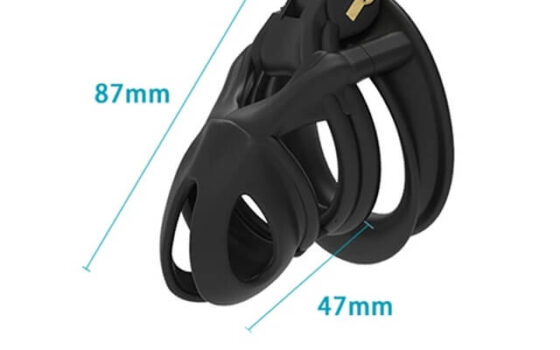
A 31-day implementation framework that applies the general cage-cleaning guide to October without promising continuous wear.
This guide is not medical advice. Stop use if significant pain, numbness, swelling, discoloration or circulation concerns occur.
Thirty-one days magnify small maintenance gaps. Moisture, residue and hidden contact points do not become safer because a rule discourages unlocking. If you are reading this mid-month with the routine already slipping, do not wait for a milestone: shrink the cleaning interval now, or schedule an unplanned hygiene unlock and restart the schedule on easier terms.
Set a repeatable daily window
Choose a time with enough privacy for washing, rinsing, drying and inspection. A rushed splash before work is not the same as a verified routine.
Follow the material instructions
Locks, coatings, electronics, resin and metal may have different care limits. Use the manufacturer’s documented method rather than one universal chemical.
Dry skin and hardware completely
Moisture can change friction and conceal residue. Separate removable parts and reach recesses according to the design.
Use planned full removals
Remove whenever hidden surfaces cannot be cleaned, skin cannot be inspected, odor persists or the device needs maintenance.
Keep a simple October log
Record cleaning, skin condition, device condition and any change in fit, then shorten the schedule when a pattern worsens.
Use decision gates instead of a streak
| Check | Decision |
|---|---|
| All contact areas reached? | Remove for complete access when they are not. |
| Soap or residue fully rinsed? | Rinse again rather than leaving product under the device. |
| Skin and device fully dry? | Wait before relocking. |
| Any odor, soreness or broken skin? | Unlock, recover and investigate. |
| Lock and connector still smooth? | Stop using damaged or corroded hardware. |
Review before adding another demand
Compare the first and current week. Increasing odor, moisture, rubbing or time needed to clean suggests the design or duration is not sustainable. Do not compensate with fragrance or increasingly aggressive cleaning.
Let a failed gate simplify the plan
A failed check does not create a debt of hours to recover later. It means the next step is smaller: repeat the earlier stage, remove a difficult setting, change one fit variable or pause until the body and relationship return to baseline. This prevents a calendar, keyholder rule or public challenge from becoming more important than the evidence gathered during the routine.
Keep a record that supports real decisions
Write the configuration, activity, cleaning method, physical observations, emotional response and removal result in plain language. “Fine” is less useful than “stable while walking, lower-ring pressure after forty minutes seated, normal skin after removal.” A short record makes patterns visible and helps prevent the same failed setup from being repeated under a new label.
A routine can remain deliberately modest
There is no requirement to progress to work, sleep, travel or continuous wear. A short private session may be the version that best fits health, privacy and relationship needs. Treat stable limits as a valid design choice rather than a plateau to defeat. The schedule serves the people involved; they do not owe the schedule an escalation.
Continue with the relevant ChastityNow guides
The bottom line
Locktober hygiene is a daily evidence loop: wash, rinse, dry, inspect and remove whenever access is incomplete. A clean, recoverable routine matters more than an unbroken lock.
This article belongs to the Locktober library, where the surrounding guides cover the wider topic.