A practical travel-planning guide for fit, packing, hygiene, privacy, long journeys and dependable emergency removal access.
This guide is not medical advice. Stop use if significant pain, numbness, swelling, discoloration or circulation concerns occur.
Travel removes many of the controls available at home. Bags can be delayed, accommodation can be shared, facilities can be limited and a routine can change without warning. A sensible plan treats removal as an ordinary option. It does not assume that a material, lock type or another traveler’s experience guarantees the same result at an airport, border, venue or destination.
Plan the Trip Before Deciding Whether to Stay Locked
Map the full itinerary: travel time, transfers, security checkpoints, border crossings, accommodation, work or social obligations and access to private washing. Consider delays as well as the planned schedule. A short road trip with private lodging is not the same problem as an international flight with several agencies involved.
Then choose among wearing, carrying or leaving the device at home. Removal may be the most practical answer when rules are unclear, privacy is limited or immediate access cannot be maintained. A relationship agreement should already allow real-life travel needs to override a symbolic schedule.
Recheck Fit Before Travel Day
Do not use travel as the first extended test. Long sitting changes hip angle and can concentrate ring or lock pressure. Extra walking, luggage handling and unfamiliar clothing may add movement or friction. Test the intended outfit and a similar sitting period at home with the key immediately available.
Remove afterward and inspect the skin. If the assembly shifts, pinches, creates numbness or needs repeated adjustment, solve that issue before the trip or travel without it. Departure morning is not the time to experiment with a smaller ring, new cage, different spacer or untested underwear.
What to Pack
Keep essential access in carry-on or on-person control where permitted; do not make a checked or delayed bag the only route to removal.
- A working primary key or release method that stays with the wearer.
- A verified spare key stored separately but still locally accessible.
- Mild, material-compatible cleaning supplies and a way to dry the device.
- An opaque storage pouch for times when the cage is removed.
- Only confirmed compatible spare hardware that has already been tested.
- Written product or lock details if they would help identify the removal method.
Hygiene Away From Home
Confirm where and when full cleaning can happen. A quick rinse in a crowded restroom does not replace removal, washing and complete drying when the design has enclosed areas. Pack simple supplies you already know are compatible rather than trying a strong new cleaner during the trip.
Heat, walking and schedule changes may require shorter wear or more frequent removal. If a shower is unavailable, the device or skin remains damp, or privacy does not allow a proper inspection, leave the cage off. Travel convenience should not turn incomplete hygiene into the new routine.
Long Periods of Sitting, Walking or Driving
Break up long sitting when the travel mode allows and reassess pressure after each segment. Driving adds a special constraint: attention must remain on the road, so stop safely before checking or adjusting anything. Walking through terminals or stations can expose swing, seam friction and lock movement that a seated test misses.
Choose clothing that has already passed both walking and sitting checks. Keep the removal plan accessible without unpacking a suitcase. If sensation, skin condition or urination changes during the journey, remove the device rather than negotiating with the remaining travel time.
Privacy and Shared Accommodation
Consider who can enter the room, where keys and cleaning supplies will be stored, and whether changing or drying the device can happen without involving an unconsenting person. An opaque pouch and an ordinary toiletry routine may be enough, but shared bathrooms or group lodging can make proper care unrealistic.
Privacy also includes digital information. Do not assume a partner may request travel photos or location proof without a separate agreement. Avoid placing revealing images in shared cloud albums or work devices. If privacy cannot be managed comfortably, pause the practice for the trip.
Emergency Access Must Remain Practical
The person wearing the device needs a route to removal even when the keyholder is asleep, offline or in another country. A sealed spare can preserve accountability without making access remote. Test the key, lock and container before departure; discovering that a spare does not fit is not a plan.
Account for lost phones, missed connections and changed accommodation. A tool-based removal method should only be part of the plan if it is safe, genuinely available and understood before travel. After any emergency removal, address the reason first. There should be no punishment or automatic re-locking.
Avoid Universal Claims About Airport or Security Rules
Screening technology, local law, carrier policy and staff procedures vary and can change. A plastic device is not a promise of invisibility to screening, and a metal device is not the only reason a bag or body may receive additional attention. Another person’s uneventful trip is not official guidance.
Check current information directly with the relevant airport, carrier, border agency, venue or local authority. When the answer remains uncertain, remove the device before the controlled environment and pack it only if permitted. This article is practical planning, not legal or security advice.
Related ChastityNow guides
- Daily Wear library
- chastity safety basics
- the daily hygiene routine
- building a sustainable routine
- practical keyholder rules
A Good Travel Plan Makes Removal Ordinary
Travel is successful when the wearer can change the plan without drama. Verify current external rules, test the physical routine at home, keep local access and pack for cleaning and privacy. If any link in that chain is weak, travel without the device and resume later under controlled conditions.
Hotel Stays: Add a Practical Storage Section
Hotel nights add three storage questions the home drawer never asks. Where the kit lives: one zipped pouch, inside your main luggage, in the room’s safe or a corner of the bag — chosen the same way every night, because improvising locations is how spares stay behind. Where it dries: the bathroom’s towel rack beats the closed pouch for washed components; a damp kit sealed overnight undoes its own cleaning. Where the keys are: on your person or in the same pouch pocket every time — hotel mornings are exactly when “somewhere safe” fails.
Checkout runs the count backward: pouch against its label, keys against their pocket, nothing in the room’s drawers, nothing on the bathroom rack. Sixty seconds at the door mirrors the sixty seconds at home — the kit that travels is the kit that gets counted twice a day.
The Viper Chastity Cage V7.0 EVO
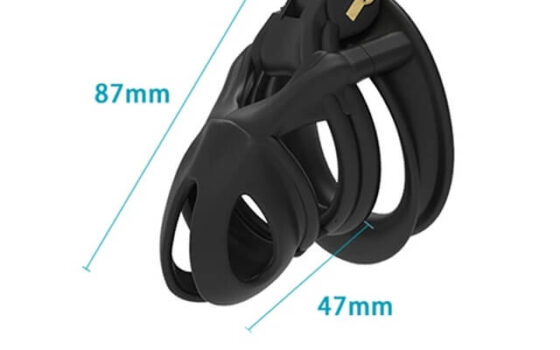
Choose the Viper V7.0 EVO for a nylon-resin kit with four base rings. One selected cage, a lock with two keys and a safety pin are included, giving you a clear starting set without buying each ring separately. Select the cage size on the product page.

A Small Overnight Kit: Keep the Checklist Short
One night away needs less than you think, and the list should stay embarrassing short: the device you’re wearing (checked at the door, per the fitting routine), the spare key in its labeled place, a travel wipe and — only if the stay includes cleaning — a small soap and the pouch. That’s the kit. Everything else is the home drawer voting for itself.
The short list has one rule: nothing checked, nothing lost. Cabin-safe, pocket-safe, boring. And one exception path: if the stay extends, the packing checklist’s full version applies — but overnight kits that balloon into luggage are how hardware gets left in hotel bathrooms across the country. Short list, short trip, count at both doors.
Seasonal Travel, Same Checklist
If your travel falls in a challenge month, the travel checklist doesn’t change — and this section exists to say so in one paragraph. The parts, keys, storage and screening questions are season-neutral: the same pouch, the same counts, the same official guidance for screening. Seasonal framing belongs to the Locktober guides; the suitcase cannot tell what month it is.
The one honest seasonal note: routine changes (travel, guests, schedule chaos) are exactly when the safety gates get re-run rather than relaxed — whichever month they land in. Travel during a challenge is travel with your checklist, plus a calendar note. Nothing more; certainly nothing new to pack.