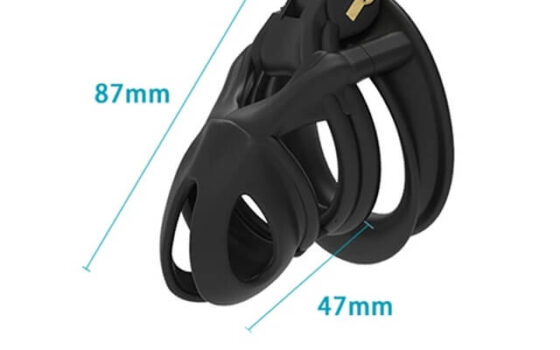
Plan bathroom access before wearing a chastity cage: ordinary needs unrestricted, private removal fallback per venue, and no goal ever delays care.
This guide is not medical advice. Stop use if significant pain, numbness, swelling, discoloration or circulation concerns occur.
Bathroom access is the planning topic that decides whether a wearing day works. A cage changes urination mechanics, and every venue — home, office, travel, a partner’s place — has its own facilities and privacy. Planning the access before the device goes on is what keeps a normal day normal.
This guide is the access-planning layer. The cleaning-side routine is in the hygiene guide; the technique details belong to your own fit and the device’s alignment, checked per the fit guide.
Keep ordinary bathroom needs unrestricted
The plan’s first rule: wearing never restricts when or how often you urinate. The device should allow normal urination through its opening at normal frequency; if the fit makes you postpone bathroom trips, the fit is wrong and the day’s plan changes now. Postponement is the first symptom of both a fitting problem and a hygiene problem, and it is always treated as the fitting problem first.
Check the alignment privately before leaving any venue: does the flow start easily, aim predictably, and finish without residual dribble at the opening? The fit guide’s bathroom rows give the observations to record.
Consider private removal access
Plan a private removal option for every venue on the day’s list: which bathroom door locks, how long a reset takes, and what happens if a full removal is needed mid-day. The plan does not require using it — only that it exists, is reachable in the clothes you are wearing, and does not depend on anyone’s permission or presence. A day without a private fallback is a day to wear shorter, or not at all.
For paired wearers, the fallback conversation is the same document as the emergency-key plan: who can be contacted, how fast, and what happens if neither is reachable. Write it once; it covers every venue.
Choose not to wear when facilities are unsuitable
Some days the facilities lose: long flights without timely access, venues with queue-only shared bathrooms, medical appointments, outdoor events. Choosing not to wear on those days is the plan working correctly — the device serves your life, and the life includes days it sits in the pouch. This is a scheduling decision, not a failure of the fit or of you.
The same logic applies within a day: if the afternoon’s agenda removes the private fallback, the morning is the wearing window, and the pouch is packed accordingly.
Do not delay care to meet a goal
The absolute rule underneath all planning: difficulty urinating, pain, swelling or any urinary symptom means remove now and seek care if it persists — regardless of what day it is, what challenge is running, or who is holding the key. No goal, calendar or agreement outranks urination. The planning habit exists to make this rule easy to follow: with access planned, following it costs nothing but a trip to the bathroom.
Plan access like every other part of the routine: deliberately, in writing where it matters, and with the exit always cheaper than the delay.
Ordinary needs unrestricted, a private fallback for every venue, unsuitable days simply not wearing days, and no goal delaying care: bathroom planning is the least glamorous layer of this practice and the one that keeps every other layer safe. Plan the access before the device, and the day runs like the plan.
This guide includes promotional links to ChastityCage.co. For devices whose opening supports a practical routine, browse chastity cage kits at ChastityCage.co.