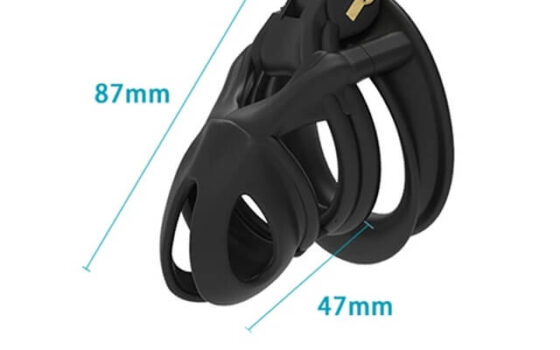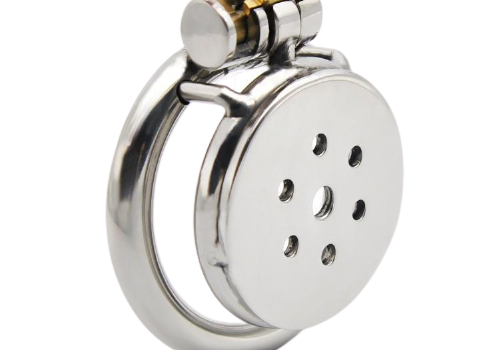
A chastity support strap is an accessory to a fitted cage; a full belt is the device's frame. Learn the structural difference before ordering either.
This guide is not medical advice. Stop use if significant pain, numbness, swelling, discoloration or circulation concerns occur.
The words “strap,” “belt” and “belt system” blur together in listings, and the blur causes real mis-purchases: buyers order a strap expecting a device, or a device expecting a strap. The distinction is structural — what the object anchors to, and whether it is the device or an accessory to one.
This guide separates the two tiers using a concrete accessory as the strap example, and explains what each product’s description should and should not claim. For the full-system comparison, see belt versus cage.
Does the belt support a cage or form the device?
A support strap attaches to an existing, complete cage and adds an anchor point higher on the body — typically looping at the waist or thigh — to reduce swing and redistribute weight. The cage remains a functioning device without it. A full belt inverts the relationship: the band is the primary structure, and the cage or shield is a component of it. Remove the band and you do not have a device.
The test is simple: “could the cage be worn exactly as designed without this object?” If yes, the object is an accessory. If no — if the object is the structure — it is the device tier. The Elasticity Belt fails-and-passes the test correctly: it is sold explicitly as a support accessory for chastity cages, not as a chastity device, which is the honest framing this guide wants you to demand from every listing in the category.
Which attachment points are required?
A support strap needs attachment points on the cage — a belt loop on the ring or cage body, a connector ring, or a listed attachment feature. Before ordering any strap, find your cage’s attachment point in its own documentation; straps without a compatible point are elastic with nowhere to go. Full belts carry their own attachment hardware for their own components, which is why belt systems and cage accessories rarely interconnect.
Check the strap’s own hardware too: the loop or clip that meets the cage, its width, and whether it can detach for cleaning. The working life of a strap is decided at that junction — elastic lasts years, cheap clips do not. And compatibility is cage-by-cage: “fits most cages” on a listing is a weaker claim than “attaches to the cage’s belt loop,” and you should treat it accordingly.
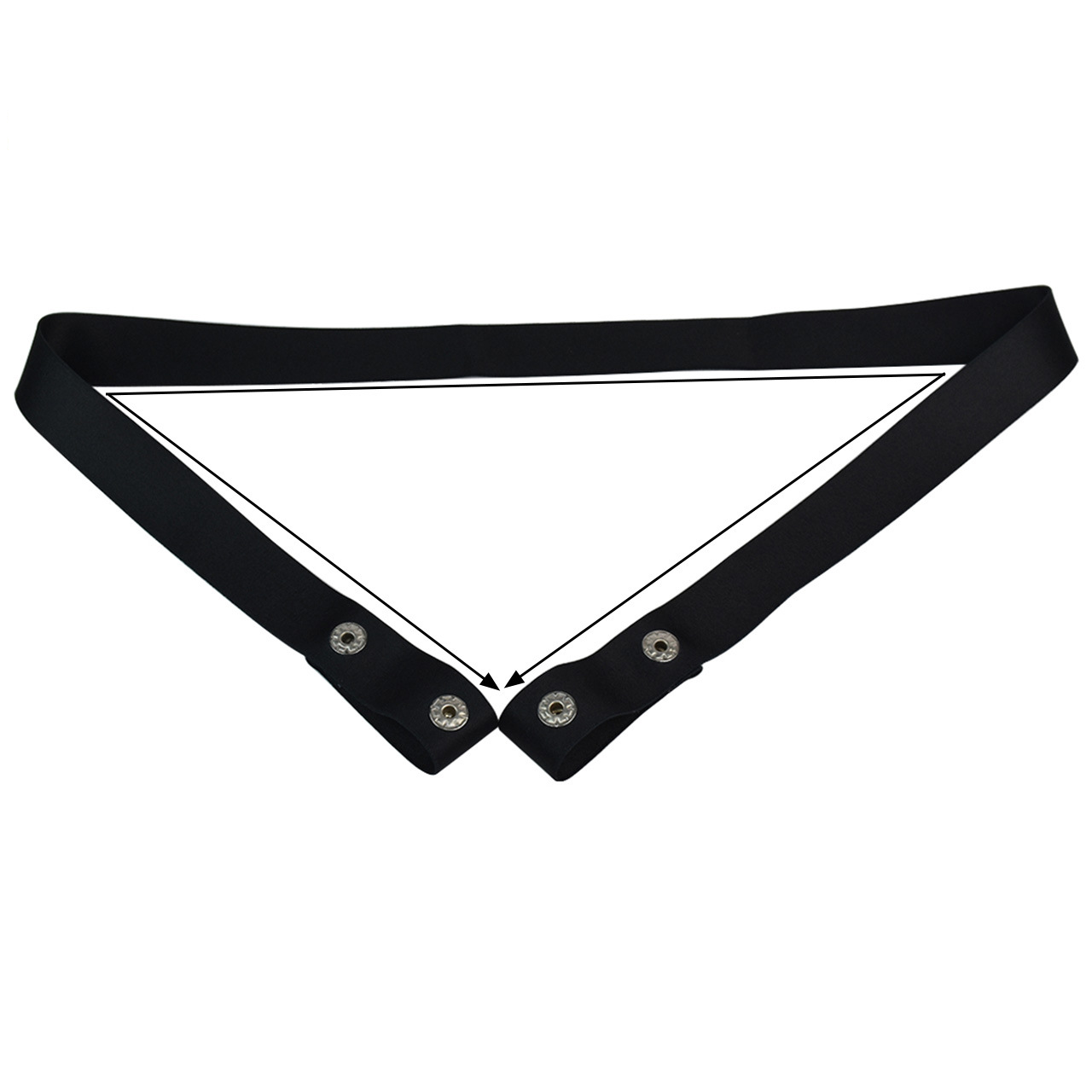
Elasticity Belt For Chastity Cage
The strap example — an adjustable elastic support accessory, sold as exactly that: The Elasticity Belt is a separate support accessory, not a complete chastity cage. It is available in Black, Pink and White, with an adjustable elastic design. Compare its attachment points with your existing setup before ordering; a support strap does not replace a correctly selected cage and ring.

What does the package include?
A strap package is small: the strap itself, its attachment hardware, and sometimes sizing guidance. The Elasticity Belt’s listing shows the pattern — one adjustable elastic band in Black, Pink or White, sized to a stated waist range, with no cage included and no cage implied. If a strap listing photographs a complete cage assembly, read the package list to see which parts actually ship; the photo is showing you a use case, not a contents list.
A full belt package, by contrast, names its frame components — band, fasteners, attachment points — and whatever cage or shield component the system includes. The two package lists barely overlap, which is the final proof they are different product tiers: straps list accessories; belts list architecture.
What should the description never imply?
Three implications disqualify a strap listing. First, that the strap is a chastity device — it is an accessory, and wearing a strap without a cage restrains nothing. Second, that the strap fixes sizing problems — a strap supports a correctly fitted cage; it cannot make a wrong ring size safe or a wrong cage length comfortable. Third, universal compatibility — attachment points are cage-specific, and “works with everything” is a claim no honest accessory makes.
Buy the strap for what it does: added anchoring, less swing, a more stable feel for longer sessions on a cage that already fits. Buy the belt when you want a frame-based system. And if a listing blurs those sentences, buy from a listing that doesn’t — the category has both, clearly labeled, at every price point.
Strap supports, belt structures. Know which tier you are shopping, find your cage’s attachment point before ordering, and trust only the listings that call accessories accessories. The right strap improves a fitting cage; the wrong expectation improves nothing.
This guide includes promotional links to ChastityCage.co. To explore frame-based systems, browse chastity belt systems at ChastityCage.co.