Flat & Small Set versus Viper kit: two cage bodies for shape comparison, or four rings for size settling. Match the package to your open question.
This guide is not medical advice. Stop use if significant pain, numbness, swelling, discoloration or circulation concerns occur.
“Which is better, the two-shape set or the four-ring kit?” is really two questions wearing one sentence. One package optimizes for silhouette comparison; the other optimizes for ring-size settling. They overlap in the drawer, not in purpose — and the comparison only becomes hard when the purpose is left vague.
This guide keeps the two purchases distinct: package counts, ring philosophies, and what your comparison sheet should record for each. The shape trade-offs behind the two-shape concept are detailed in the flat-versus-standard comparison.
Does each package include one cage or two?
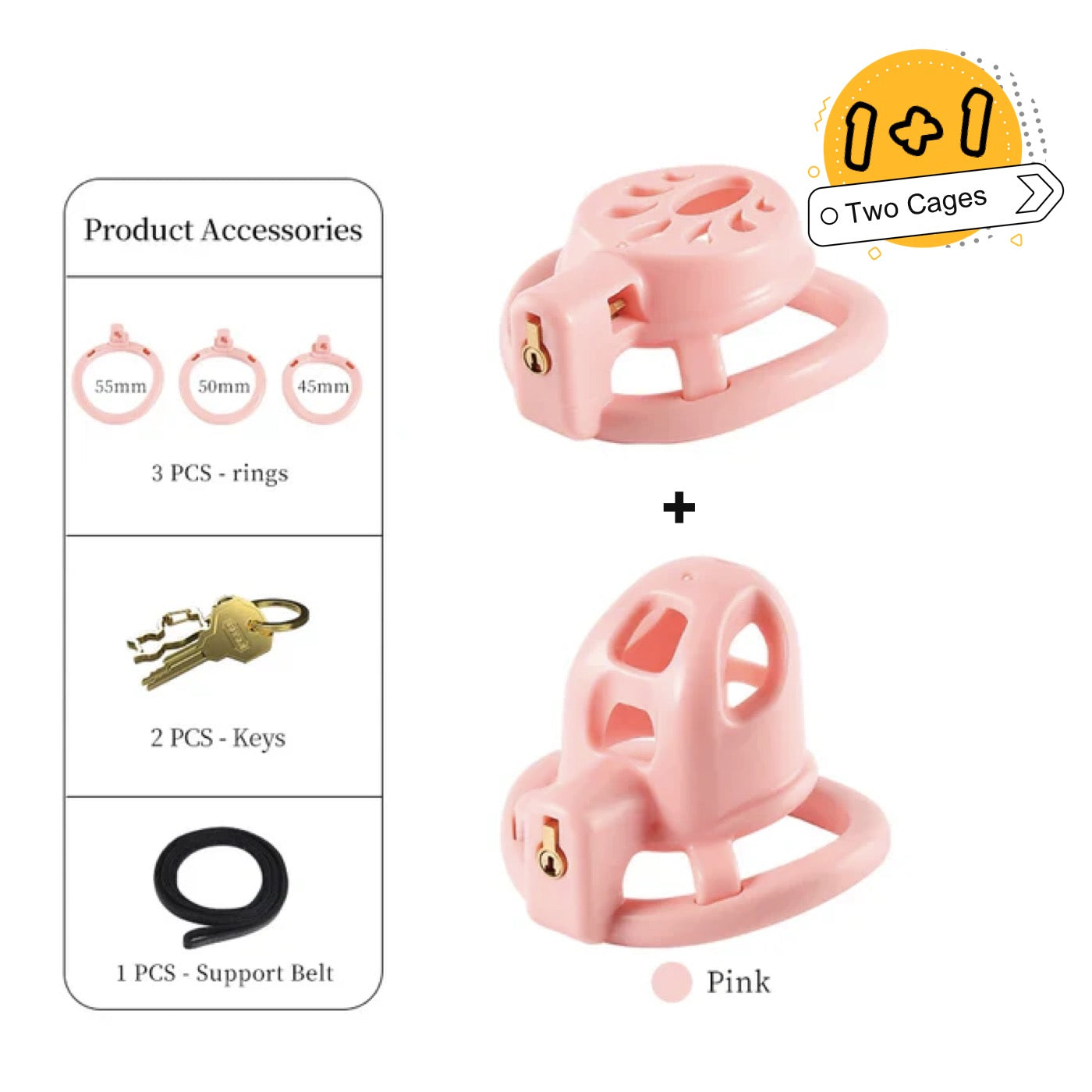
The Flat & Small Set includes two cage bodies — one flat, one small-profile — sharing the set’s rings and belt. The Viper V7.0 EVO kit includes one cage body in your selected length class (Nub, Nano, Small or Standard). Two bodies versus one is the structural difference from which every other difference follows: the set is built for comparison, the kit for consolidation.
Neither format apologizes for itself. The set’s two bodies answer “which silhouette suits me?” in one order; the kit’s single body plus four rings answers “which ring size holds?” in one order. A buyer who asks both questions at once needs to sequence them — settle ring size first, because a wrong ring invalidates every silhouette impression.
How many rings are included?
The set ships three rings; the kit ships four (38/43/48/52 mm). More rings is not “better” — it is more fitting range, at the cost of every other dimension of the package. Three rings covering your range beats four missing it, so the count question is really a range question: which package’s included sizes bracket your measured base-ring size?
Check the actual sizes, not the counts, before deciding. If the set’s three rings step outside your measurement, its two bodies cannot rescue the purchase — you would be comparing silhouettes on a ring that does not fit. The kit’s 38–52 mm range covers the common middle of the market; confirm your number lives inside it before leaning either way.
Flat & Small Chastity Cage Set
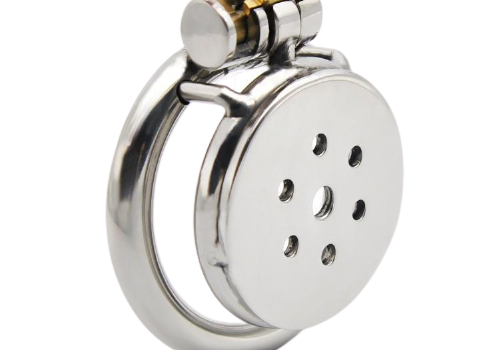
The two-shape purchase: The Flat & Small Set includes two cage shapes, three rings, two keys and an adjustable support belt. Choose it when you would rather compare a flat and a small shape within one package than order two separate kits. Pink and Black are separate color choices.

The Viper Chastity Cage V7.0 EVO
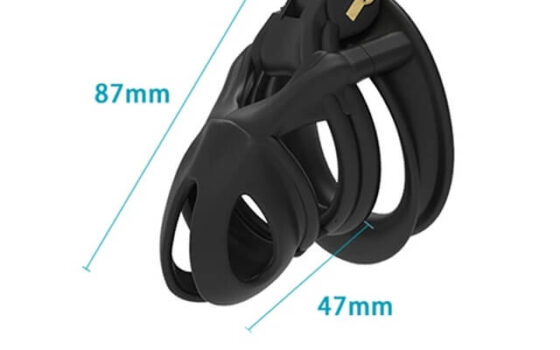
The four-ring purchase: Choose the Viper V7.0 EVO for a nylon-resin kit with four base rings. One selected cage, a lock with two keys and a safety pin are included, giving you a clear starting set without buying each ring separately. Select the cage size on the product page.

Which choice is about shape rather than ring range?
The set’s core question is shape: flat versus small-profile, tested on one shared ring system. The kit’s core question is ring: four discrete sizes tested on one body. When you hear yourself asking “which will feel better under clothes?” you are shopping the set’s question; when you hear “which size will hold?” you are shopping the kit’s. Answer in that order — shape on a settled ring, never the reverse.
And note what neither package offers: the set does not give you four ring sizes, and the kit does not give you two shapes. The upgrade path from either is the other — settle rings on the kit, then buy shapes on a set (or vice versa if your ring came pre-proven). Both routes end at the same place: one silhouette, one ring size, both verified.
What should your comparison sheet record?
Two blocks, clearly separated. Package block: bodies, ring count and sizes, keys, extras (belt versus safety pin) — straight from each package list. Task block: your question (shape or ring), your measurement, and which package’s included range covers it. A sheet that mixes the blocks produces the confused “best overall” verdict this guide refuses to give; a sheet that separates them ends with a one-line answer.
Then record the result after purchase, per body or per ring: the wear log is what converts either package’s promise into your own data. The set’s log answers the shape question in a week of alternating bodies; the kit’s log answers the ring question in a week of swapping sizes. Whichever you buy, the log — not the box — is the deliverable.
Two shapes or four rings — name the task and the packages stop competing. Verify the included ring range covers your measurement, buy the package built for your open question, and log the sessions that answer it. The winner of this comparison is whichever kit matches the question you actually have.
This guide includes promotional links to ChastityCage.co. To compare both packages, browse chastity cage kits at ChastityCage.co.