Transparent vs opaque is a look choice, not a material report. What clear shells let you inspect — and what still comes only from the size chart.
This guide is not medical advice. Stop use if significant pain, numbness, swelling, discoloration or circulation concerns occur.
Clear or solid is one of the earliest preferences buyers form, and one of the least informative about anything mechanical. A transparent shell shows what is inside it; it says nothing about what the shell is made of, how it fits, or what ships in the box. Yet the choice genuinely matters to many wearers — so it deserves an honest guide rather than a shrug.
This page compares the looks on what they actually change: visual inspection, and nothing else. The material families behind both looks are covered in the polymer guide.
Does transparency identify the material?
No. Transparent cages appear in rigid polymer families — clear ABS and similar clear formulations exist alongside opaque versions — and transparency alone names no specific polymer, grade or brand of quality. An opaque shell of the same family is the same material wearing pigment. Buy transparency because you prefer the look; verify the material from the listing’s stated composition, exactly as you would for an opaque design.
The inverse mistake is treating clear shells as “safer because you can see skin.” Visibility helps inspection, not safety — circulation and pressure issues are felt and checked, not watched. Transparency is an aesthetic with an inspection bonus, not a health feature.
What can you inspect visually?
Genuinely useful things: finish quality on interior surfaces (the clear shell makes seams, vent edges and molding lines visible before the first wear), and — during wear — skin position and visible residue for cleaning thoroughness. For buyers who inspect carefully, a clear shell front-loads the finish inspection this site recommends anyway.
What transparency does not show: fit. A transparent cage in the wrong size is exactly as wrong as an opaque one. Visual access and mechanical fit are separate axes, and only one of them comes from the chart.
Which details still require the size chart?
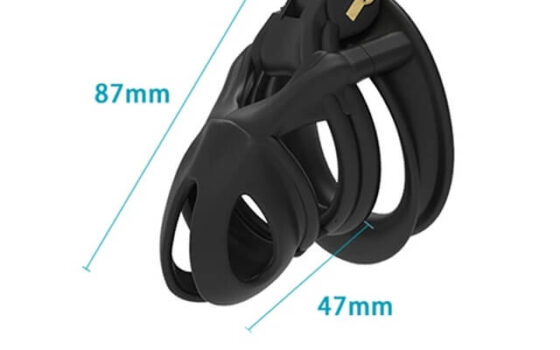
All of them. Usable internal length, internal width, ring sizes and range, gap behavior — none of it changes with the shell’s color or clarity. The comparison discipline is identical for clear and opaque candidates: stated millimeters per component, verified against your measurements, unknowns marked unknown.
One transparency-specific reading note: photograph-heavy clear listings sometimes imply “one size visible” sizing. The photograph shows one assembled configuration; the chart still governs what you order. Looks and lists, two columns, always.
Ring visibility deserves its own line in the reading: a clear shell shows the ring through the body, which some buyers read as a fitting feature. What it actually shows is assembly — whether the ring seated, whether the stack aligned — and that is genuinely useful during unlocked tests. The ring’s size correctness, though, remains a chart-and-measurement question; you can watch a wrong ring sit wrongly through clear plastic just as helplessly as through opaque.
How should matching colour variants be compared?
As the same hardware. When a product line offers clear, black and pink variants of one design, the variants differ in pigment and nothing else — same dimensions, same package, same care. Compare the design on its structural rows, then pick the variant whose look you prefer, knowing you changed nothing mechanical.
Where the looks live on different products — a clear design from one listing, a colored design from another — they are different hardware decisions, and the two-column method from the decorative-designs guide applies: structure first, looks last. The current plastic-cage collection carries both looks across its listings; compare the columns, then enjoy the choice.
Clear or solid is a preference you are fully entitled to — about the look, and only the look. Inspect what transparency shows you, read the chart for everything it doesn’t, and pick your variant with both eyes open. The best-looking cage is still the one whose millimeters fit; color is what you enjoy after that’s settled.
This guide includes promotional links to ChastityCage.co. To compare both looks on current listings, browse plastic chastity cages at ChastityCage.co.