304 vs 316 steel grades: what the label establishes (composition, per component) and what it doesn't (comfort, coating, allergy immunity).
This guide is not medical advice. Stop use if significant pain, numbness, swelling, discoloration or circulation concerns occur.
Steel-grade talk gives metal-cage shopping a veneer of metallurgy. The numbers are real — 304 and 316 are genuine alloy families with genuinely different compositions — but the grade conversation in this category runs on three habits worth correcting: grades cited without documentation, applied to whole kits, and read as comfort or skin promises. This guide does all three correctly, using only what current listings state.
The general metal background lives in the metal guide; this page stays on the grade question specifically, without pretending to compare two graded products this site has not wear-tested.
Where is the steel grade documented?
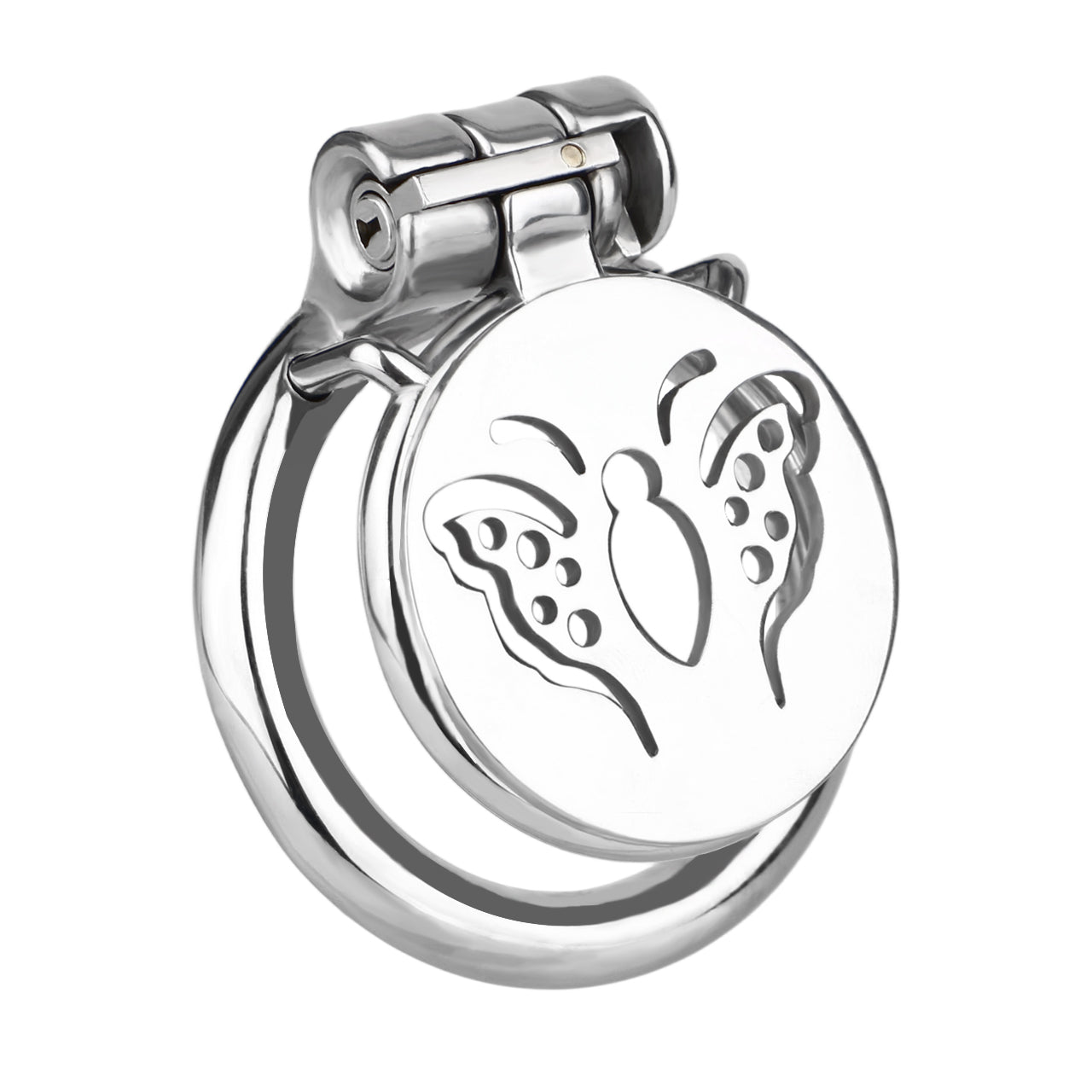
On the listing that states it. The Butterfly Flat’s page documents 304 stainless steel at a stated 133 g — material and grade, in print. The Chainmail Steel page states solid steel, polished, without a grade number in its readable specification. Those are two different documentation levels, and the honest comparison starts by admitting it: one product carries a grade label, the other carries a material statement without one.
Grade claims from third parties — reviews, forums, resellers — are not documentation. The number belongs to the maker’s own listing or it does not belong in your decision. Where a grade matters to you and the listing lacks it, the seller question is one line: “Which steel grade is the [component], and is that stated anywhere official?”
Which component does that grade describe?
A grade statement covers the component it names — the cage body, the ring, the lock — not the kit. A 304-stamped shell can sit beside rings of unstated alloy and a brass-keyed lock; the mixed-material habit applies to grades exactly as it does to materials. When the Butterfly Flat states 304, that is a statement about its steel construction; it does not certify the box’s every part.
Per-component grade reading also keeps upgrade conversations honest: the parts that contact skin longest deserve the documentation priority, and small hardware (pins, keys) is where unstated alloys hide. Your component table gets a grade column, filled only from stated facts.
Butterfly Flat Chastity Cage
The grade-documented example — 304 stainless stated, with weight: The Butterfly Flat pairs a distinctive butterfly-shaped front with a stainless-steel construction. The package lists one cage, one selected ring and a lock with two keys; a belt is optional. Choose this design when you prefer its outline, then select your ring and belt configuration.

Chainmail Steel Chastity Cage
The material-stated example — solid steel, polished, grade unstated: Choose the Chainmail Steel Cage for its open chain-link design and a package with one cage, one selected ring and a lock with two keys. It is a different product from the Adjustable Chainmail model, so choose the ring option on this listing rather than assuming the ring adjusts.

What does a grade label not establish?
Three things buyers wish it did. Comfort: no alloy is comfortable by composition — fit decides. Coating status: a graded steel can still carry a surface treatment; grade and finish are separate questions. Skin compatibility: “stainless” of any grade is not a hypoallergenic certification — individuals react to alloys, and documented composition merely lets you and, where relevant, a professional reason about exposure. The grade is a materials fact; the wishes are marketing’s additions.
Grade differences between 304 and 316 are real metallurgy — composition families with different corrosion behavior in specific environments. What they are not is a wear-quality ranking for this category: your body is not a marine environment, and a documented 304 with a good finish outperforms an undocumented anything.
What questions should a buyer ask about the finished device?
Finish the documentation, then finish the decision. Ask: which components carry the stated grade; what surface finish covers them; and what care limits the maker specifies for that finish. Those three answers — with dimensions and package — complete a metal purchase that documentation can actually support. Skip them and you are buying a number; buy them and you are buying hardware.
Then apply the standing rule one last time: fit outranks alloy. A graded steel cage in the wrong size loses to any material in the right one — the grade conversation refines a qualified purchase, never substitutes for one.
Grades are documentation, not magic. Read them per component from the maker’s own page, keep finish and skin questions separate, and let fit outrank alloy. A documented 304 you can verify beats an impressive number you cannot — every single time.
This guide includes promotional links to ChastityCage.co. To compare documented metal listings, browse metal chastity cages at ChastityCage.co.