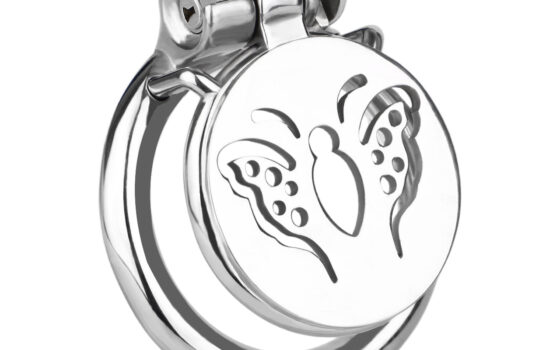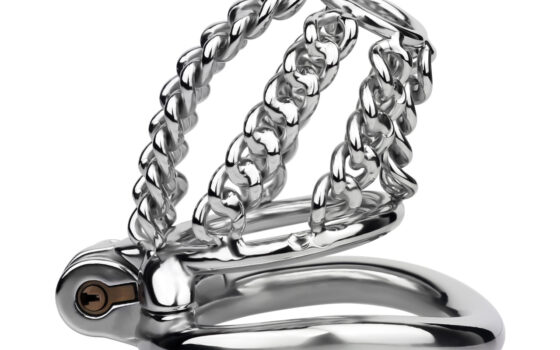
Numbered plastic seals record opening; keyed locks control it. Different jobs, different hardware — verify connectors and choose per task.
This guide is not medical advice. Stop use if significant pain, numbness, swelling, discoloration or circulation concerns occur.
Numbered plastic seals and keyed locks get shelved together in listings and conversations, and the confusion costs buyers exactly what they thought they were buying: seals show tampering, locks control access. A cage closed with a seal can be opened by anyone with scissors — that is the feature, not a failure.
This guide separates the two jobs, covers connector requirements, and lists what to verify before choosing either. The lock-families overview continues in the barrel-versus-padlock comparison.
What does a numbered seal record?
Integrity, not security. Each seal carries a unique number; closing it through the device’s locking point sets that number as the reference; a broken or replaced seal — different number — records that the closure was opened. What it cannot do is prevent opening: seals are cut, not defeated, and their value is the evidence trail plus the ceremony of the number.
Seal routines shine where evidence is the point: verifiable breaks between sessions, symbolic short-term closures, travel situations where carrying keys is the burden. The seal says “this was opened” — and says nothing more.
How is that different from a keyed lock?
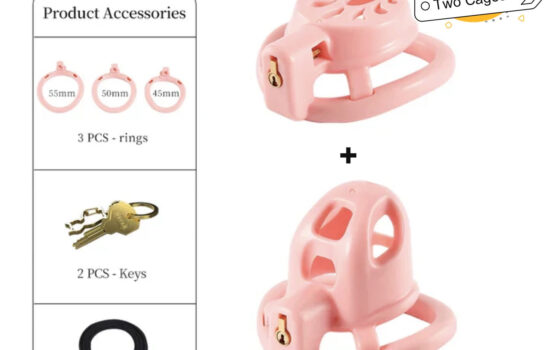
A keyed lock controls access: it opens only with its key (or, for integrated cylinders, its flat key), and it is the component that makes the device something you stay in. The Sado Chamber kit ships both hardware types in one box — a keyed lock with keys as the closure control, and five numbered seals as the evidence layer — which is the cleanest way to see that they are complements, not competitors.
The practical division of labor: locks for control, seals for proof, and many routines using each at different moments. What no honest routine does is treat a seal as a lock — the gap between “opened” and “openable” is the entire safety and consent architecture of the practice.
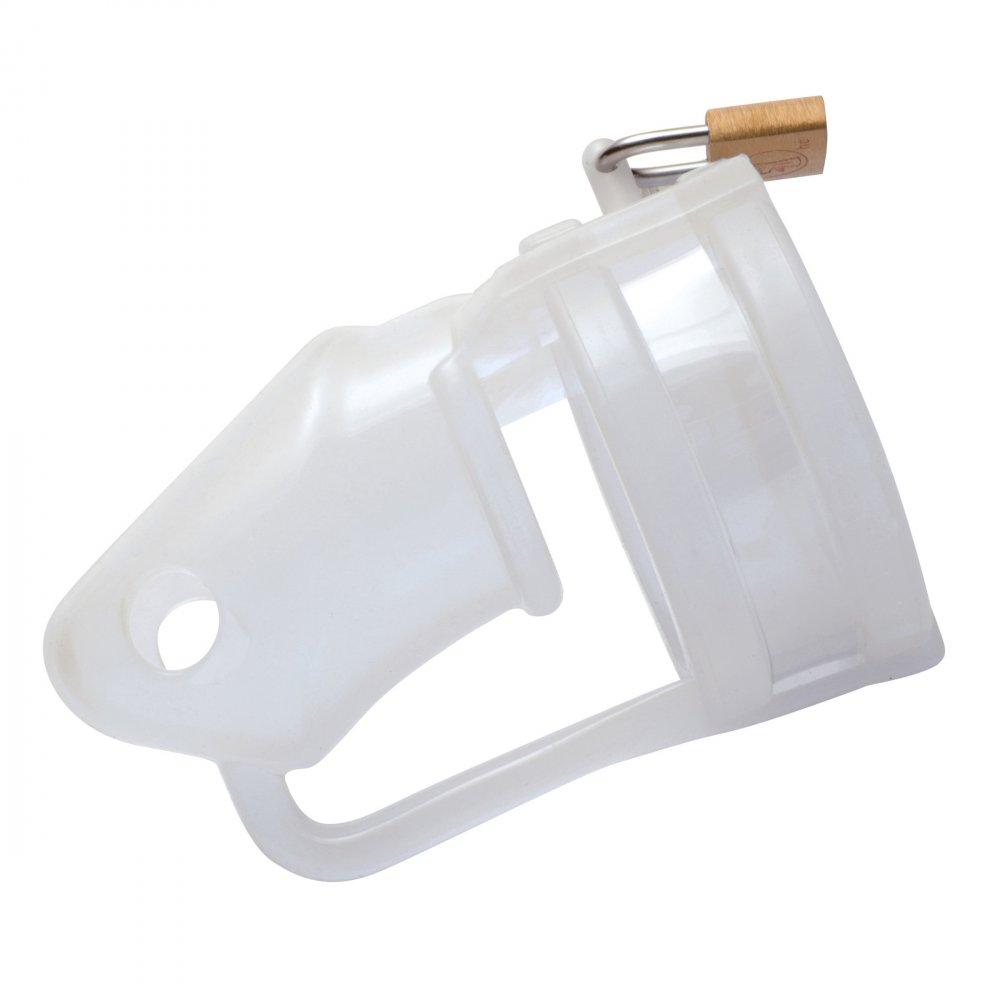
SadoChamber Silicone Chastity Device
The kit that ships both layers — keyed lock plus five numbered seals in one package: The Sado Chamber silicone kit includes one cage, three rings, a lock with keys and the listed plastic accessories. Choose it when you are comparing a silicone option with a rigid cage kit. Use this model’s own size information instead of transferring measurements from a different product.

Which pin or connector does the device require?
Both closures are connector-dependent. A seal needs a locking point sized for its strap — the hole or post the seal passes through must admit it and hold it under tension. A padlock needs shackle clearance through the post; an integrated cylinder needs the cage’s receiver cut for it. The kit that ships seals almost certainly ships the compatible points; the buyer adding seals to another device must verify the strap fits that device’s holes.
Never force either closure into a connector it wasn’t sized for — a seal stretched around geometry it can’t seat is a seal that records nothing, and a jammed lock is a safety issue. The connector compatibility check from the rings guide applies to every closure component identically.
What should you verify before choosing either option?
For seals: quantity in the package (kits state the count — five in the Sado Chamber box), the numbering scheme (record the installed number), and your honest reason — evidence, not restraint. For locks: key count, closure behavior off-body, spare-key location. For either: no airport or security promise belongs in your planning — official screening rules apply to all hardware, and no seal or lock material exempts a device.
Then run the routine that matches the hardware: seals get checked by number at every inspection; locks get exercised and their keys stored deliberately. Two small jobs, honestly separated — and a box that ships both makes the separation easy to learn.
Seals prove, locks prevent. Choose the job you need done, verify the connector fits, and never let one hardware’s promise stand in for the other’s. Control and evidence are different currencies — spend each where it counts.
This guide includes promotional links to ChastityCage.co. To compare closure hardware, browse chastity cage kits at ChastityCage.co.