A nylon label names the polymer family, not a grade: identify the named polymer, separate process from material, follow finished-product care — never add the grade yourself.
This guide is not medical advice. Stop use if significant pain, numbness, swelling, discoloration or circulation concerns occur.
“Nylon” on a chastity cage listing is a genuine material name and an incomplete specification. It names the polymer family — enough to set baseline care expectations — but says nothing about grade, additives or the exact compound. The honest reading takes the label for what it states and refuses to invent the rest.
This guide reads a nylon label correctly using two documented kits as the polymer examples. The full polymer comparison is in the nylon-versus-ABS guide.
Identify the named polymer
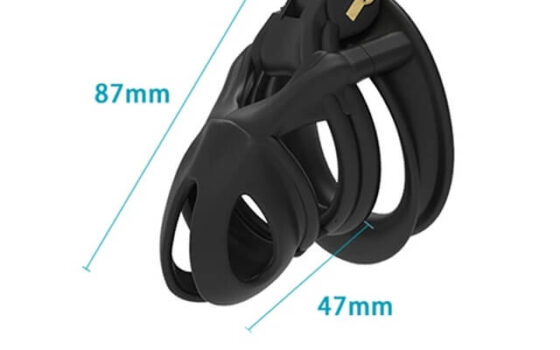
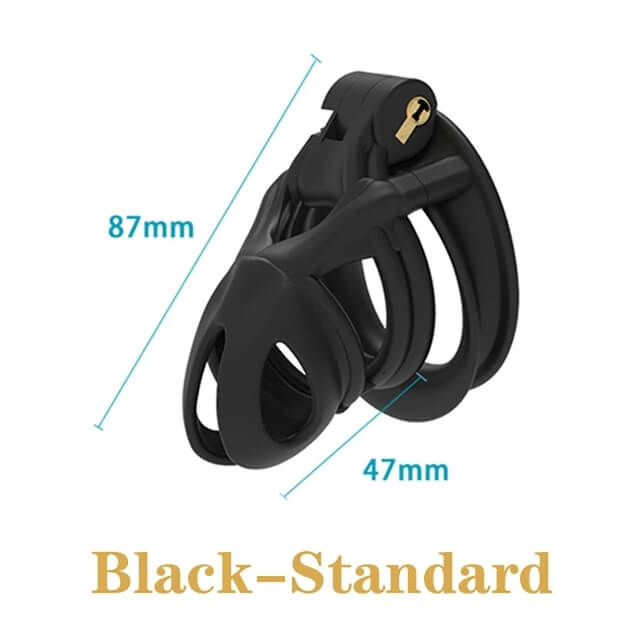
What “nylon resin” actually gives you: a rigid polyamide-family body, typically molded, light and warm to the touch, with the maker’s finish quality as the practical differentiator. The Viper V7.0 EVO names nylon resin on its listing; the Locktober kit names ABS — a different polymer with its own feel. Both are honest labels; neither claims a grade.
Respect the boundary of the word: nylon describes the polymer family, not the quality, the exact compound or any testing. Buyers who read it as a complete specification are inventing the part the seller did not write.
Separate grade from manufacturing process
Even when a maker states a grade, grade and process remain separate rows: the polymer compound is one fact; molded versus printed is another that changes seam placement, layer texture and dimensional repeatability. Molded nylon parts show seams at the mold joints; printed parts show layer lines. Neither process is automatically better — each has its own inspection points, and the listing’s finish photos show which you are buying.
When a listing names the material but not the process, the photos answer the process question: look for seam lines versus layer texture at the vents and edges.
The Viper Chastity Cage V7.0 EVO
A nylon label stated plainly: The Viper V7.0 EVO names its body nylon resin and documents the rest of the kit — four rings (38/43/48/52 mm), lock with two keys, safety pin — which is the correct division: material named, grade not claimed, components listed. Check: follow the listing’s own care text for the exact compound rather than general nylon lore.

Check finished-product care
Care follows the finished product, not the polymer family: the maker’s care text for the specific cage states water temperature, cleaning agents and drying limits for its exact compound and hardware mix. Nylon-family generalities (avoid boiling, avoid harsh solvents, dry fully) are a cautious baseline; the maker’s own instructions override them wherever they speak.
The component-table habit applies: the resin body, its metal rings, and the lock each carry their own care rows. “Nylon” is one cell of that table, not the whole row.
Locktober Chastity Cage
And the ABS contrast on the other label: The Locktober Chastity Cage names ABS resin with aluminum-alloy rings and a support belt — a different polymer label with its own component mix, useful as the comparison point that keeps “nylon” honest. Check: compare the two kits’ care texts as written; neither label claims more than it states.

Avoid adding a grade the seller did not state
The failure mode of polymer labels is wishful upgrading: reading “nylon” as “medical-grade nylon,” as “the same nylon as [other product],” or as an implicit certification. None of that follows. If a grade matters to your decision, the seller question is one line — “which nylon grade is this body made from?” — and the answer goes in your kit record as stated, not as interpreted.
Buy the named material with its stated care, inspect the finish on arrival, and let the absence of a grade be exactly what it is: information about the documentation, not about the polymer’s actual behavior on your body.
A nylon label is a polymer family, a finish expectation and a care baseline — and it is not a grade, a certification or an invitation to assume. Read what the listing states, inspect the finish that process produced, follow the maker’s care text, and never upgrade the label in your own head.
This guide includes promotional links to ChastityCage.co. To compare named-polymer kits, browse plastic chastity cages at ChastityCage.co.
Related ChastityNow guides
- Nylon vs ABS chastity cages