Match a replacement padlock's shackle to the specified opening: diameter passes, clearance fits the stack, orientation clears — and never force a near match.
This guide is not medical advice. Stop use if significant pain, numbness, swelling, discoloration or circulation concerns occur.
Padlock replacement fails on millimeters: a shackle a half-millimeter too thick does not pass the post, a clearance that almost fits binds at the stack. The matching task has two dimensions and one orientation, and each is checked before the order, not after the delivery.
This guide measures and matches a replacement padlock to the specified opening. The lock-family context is in the barrel-versus-padlock comparison; replacement procurement in the replacement-lock guide.
Identify the required diameter
Measure your locking post’s hole with a caliper or a drill-bit gauge: the shackle diameter must be equal to or slightly smaller than the hole, with contact smooth rather than forced. Record the number in millimeters beside the post it belongs to. Brass replacement padlocks of the standard pattern list their shackle specifications; the match happens between their number and yours.
Do not estimate by eye or by trying a too-thick shackle at an angle — a forced pass damages the post’s edges and leaves the lock binding in the very hole it was supposed to improve.
Check clearance and orientation
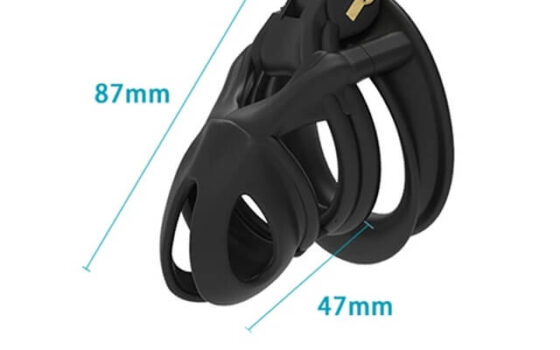
Diameter is only the first dimension. Shackle clearance — the inner height and width of the shackle’s opening — must accommodate the post’s thickness plus any spacer stack the assembly uses, so the lock closes without pressing. And the orientation matters: the shackle must pass with the lock hanging in its intended direction, clear of contact zones, the way the device’s design intends.
Test the fit dry, off the body, before any order is final if the lock is already in hand; test with the seller’s stated numbers if it is not. Clearance failures are the quietest — everything almost works until the stack closes.
Confirm the maker’s supported lock
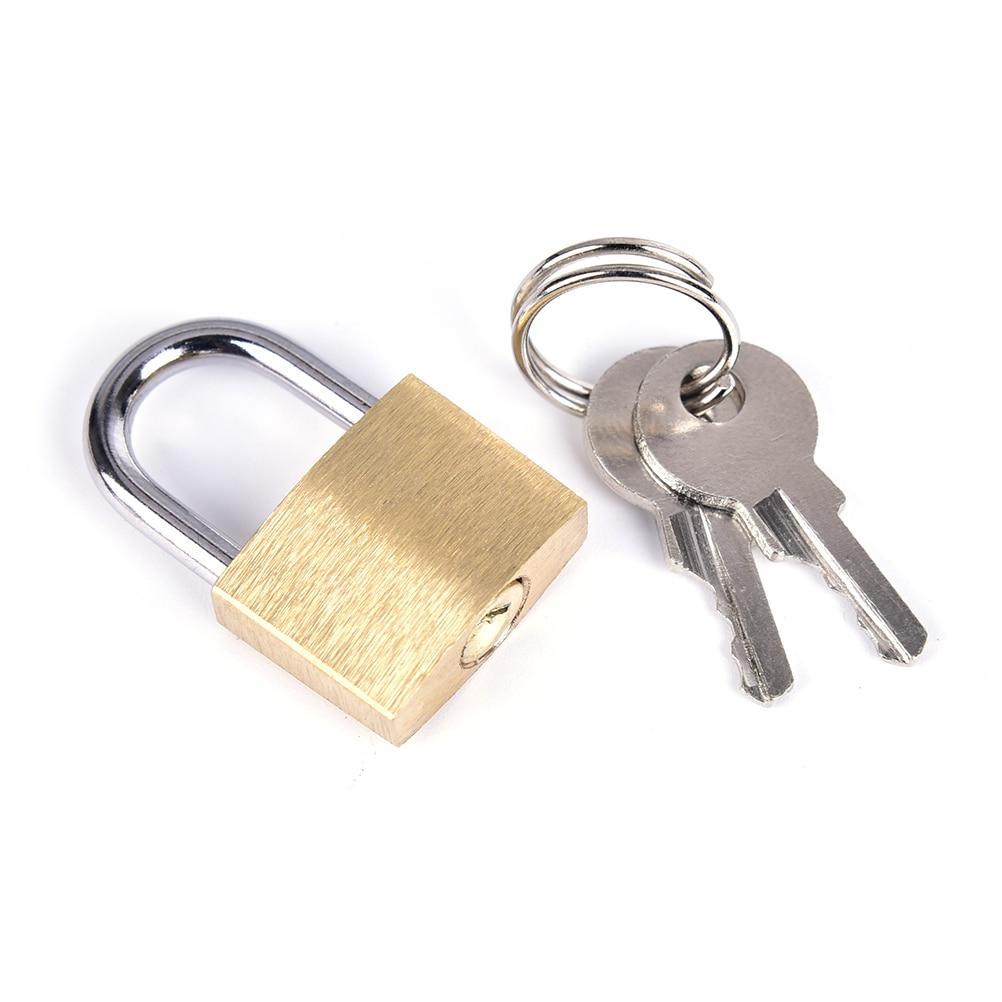
Some cages name their supported lock style or part; most simply show the post. Where the maker documents a supported replacement, use it — the High Quality Brass Replacement Padlock’s listing states its own form factor and two matching keys, which is the documentation pattern to look for. Where nothing is documented, your measurements become the specification, and the seller’s written confirmation becomes the support.
An unsupported near-match is not a bargain; it is a lock that will work until the one day it matters, and fail then.
High Quality Brass Replacement Padlock
The replacement that states its own dimensions: The High Quality Brass Replacement Padlock ships with two matching keys and a standard shackle form — match its stated diameter and clearance to your post’s numbers in writing, and the replacement is a five-minute swap. Check: brass keys duplicate at any locksmith, so the spare-key plan improves along with the lock.
 View High Quality Brass Replacement Padlock at ChastityCage.co
Do not force a near match
The near match fails in specific, predictable ways: a shackle that needs pressure to pass will need pliers to close and refuse to open smoothly; a clearance that almost fits binds the stack and changes the assembly’s sit. Force also marks the post and shackle — evidence that precedes you into any warranty conversation.
The honest sizes are written, the honest match is confirmed in writing, and the honest test is off-body and easy. Anything forced is a return waiting to happen — return it before it becomes the lock you are counting on.
Diameter, clearance, orientation: three measurements and a written confirmation stand between you and a padlock that fits. Measure the post, match the numbers, confirm with the seller, test off-body. The near miss is the most expensive lock in the category — skip it.
This guide includes promotional links to ChastityCage.co. For padlocks that state their dimensions, view the Replacement Padlock at ChastityCage.co.
Related ChastityNow guides
- Barrel lock vs padlock
- Before ordering a replacement lock