Strap width is a separate choice from belt length: read the stated width, compare buckle and attachment zones, check clothing layers — never infer comfort from width alone.
This guide is not medical advice. Stop use if significant pain, numbness, swelling, discoloration or circulation concerns occur.
Strap listings state a length range and often skip the width — yet width is what meets your waistband, your buckle stack and your clothing. This guide reads width as its own decision, separate from length and separate from comfort folklore.
The sizing (length) decision is in the sizing guide; the junction details in the compatibility guide; the tier context in the strap-versus-belt comparison.
Read the actual width if supplied
Width is a stated number in millimeters or inches — or it is missing. The Elasticity Belt’s listing documents its adjustable elastic design and its waist range; where a width figure is stated, record it beside the length range in your strap record. Where it is not, the width becomes a seller question like any other unstated specification — one line, asked before the order.
Why width matters: it determines how the strap distributes pressure at the waist, how visible it is under clothing, and which attachment hardware fits its end. Three consequences from one number.
Compare the buckle and attachment areas
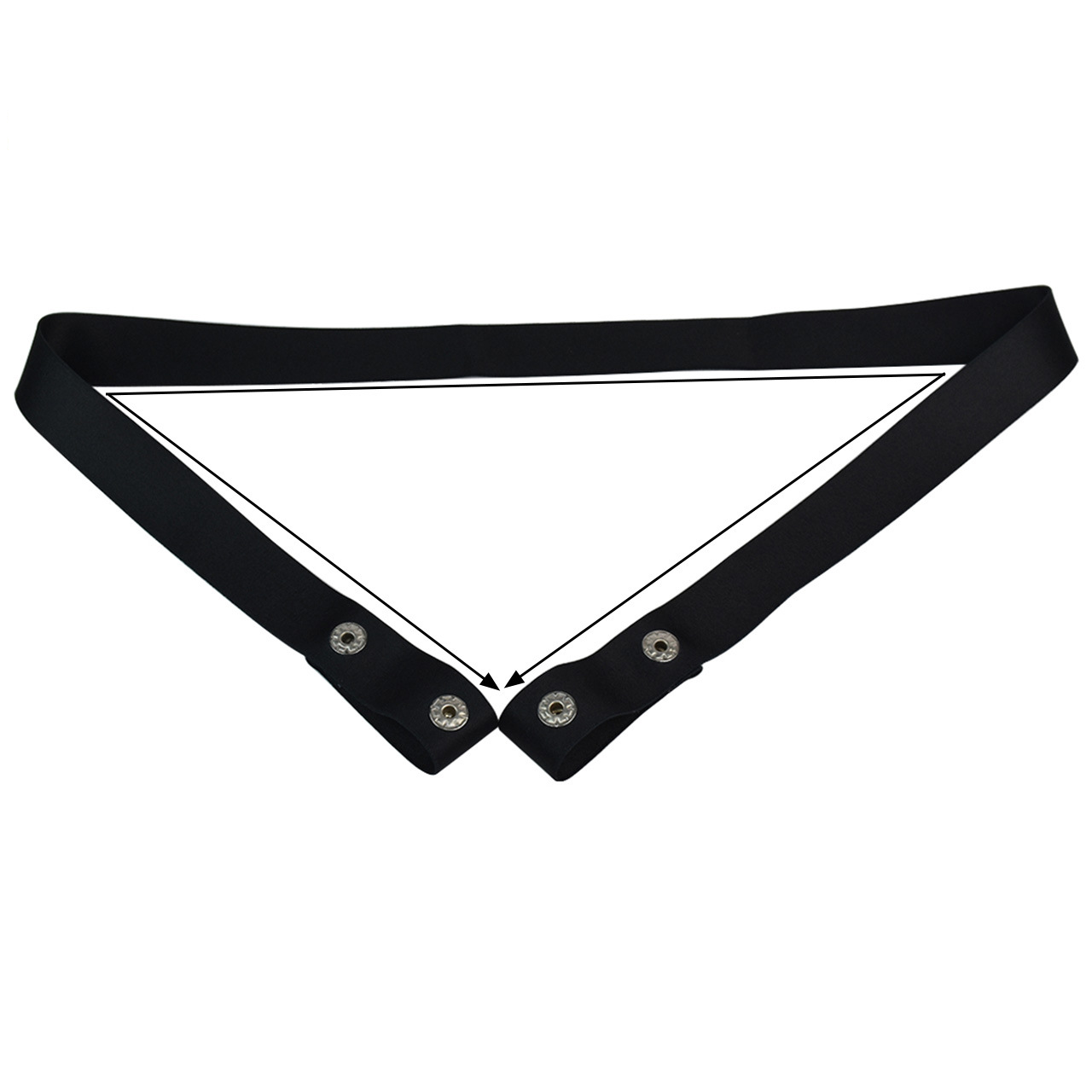
The strap’s hardware zones are where width does its work: the buckle or adjuster needs width to hold without twisting, and the attachment end needs width to match the cage’s connection point. A strap whose body is wide but whose hardware narrows abruptly has a stress point; a strap whose hardware matches the body width distributes load cleanly. Compare the two zones in the listing photos and ask where they differ.
Width at the attachment end also has to agree with the cage’s attachment point — the compatibility guide’s numbers, applied to the strap’s other end.
Check clothing layers
Width meets clothing: a wider strap spreads pressure but claims more room under waistbands; a narrower strap hides easier but concentrates the same load. Check the strap’s width against the clothing you actually wear — trouser waistband height, belt lines, tucked shirts — using the tabletop method from the layering guide. The right width is the one your wardrobe agrees to carry.
Both example factors together: a wider strap under a rigid waistband can read bulkier than a narrower one under the same trousers. The clothing test, not the width number alone, settles it.
Elasticity Belt For Chastity Cage
The strap whose stated range and design this guide reads: The Elasticity Belt documents its adjustable elastic design and its waist range (about 85 to 130 cm) in Black, Pink and White — a listing that states its fit rows and leaves width as the question this guide teaches you to ask. Check: confirm the strap’s width in writing if your clothing stack is width-sensitive.

Do not infer comfort from width alone
“Wider is more comfortable” and “narrower hides better” are both half-truths that ignore the fit underneath. Comfort comes from a correctly fitted cage plus a strap whose length, width and hardware match your body and wardrobe. A wide strap on a wrong-size cage is a wide reminder of the problem; a narrow strap on a correct fit disappears. Width is one input — the fit guides own the rest.
Buy width deliberately, fit first: the strap supports the setup, and the setup was supposed to be right before the strap arrived.
Width is a real decision with its own number: read it when stated, ask when missing, compare the buckle and attachment zones, and test it against your actual clothing layers. Length fits the waist; width fits the life around it — and comfort comes from the fit underneath, never from the wider claim.
This guide includes promotional links to ChastityCage.co. To check the strap’s stated rows, view the Elasticity Belt at ChastityCage.co.
Related ChastityNow guides
- Chastity support-belt sizing
- Support strap compatibility