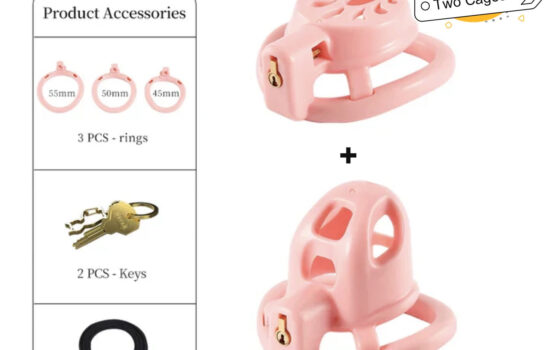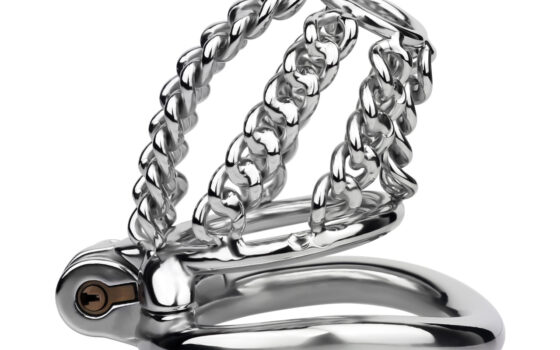
Support straps attach by clip or loop: identify the fastening type, check the cage's documented attachment points, and choose a supported combination.
This guide is not medical advice. Stop use if significant pain, numbness, swelling, discoloration or circulation concerns occur.
Clip versus loop is the first question of any support-strap purchase, because the fastening type decides which cages the strap can join. This guide identifies the two fastening families, checks them against the cage’s documented points, and closes with the supported-combination rule. The tier-level context (strap versus belt) is in the strap-versus-belt comparison.
Compatibility from the cage’s side is covered in the strap compatibility guide; sizing in the sizing guide.
Identify the strap’s fastening type
Clips close around a point — a snap, hook or carabiner-style fastener that catches a designated attachment. Loops pass through or around — the strap threads a ring, guide or slot and often secures back on itself. Read the listing’s photos and description for the fastener type before anything else; it is the single fact that filters every cage the strap can serve.
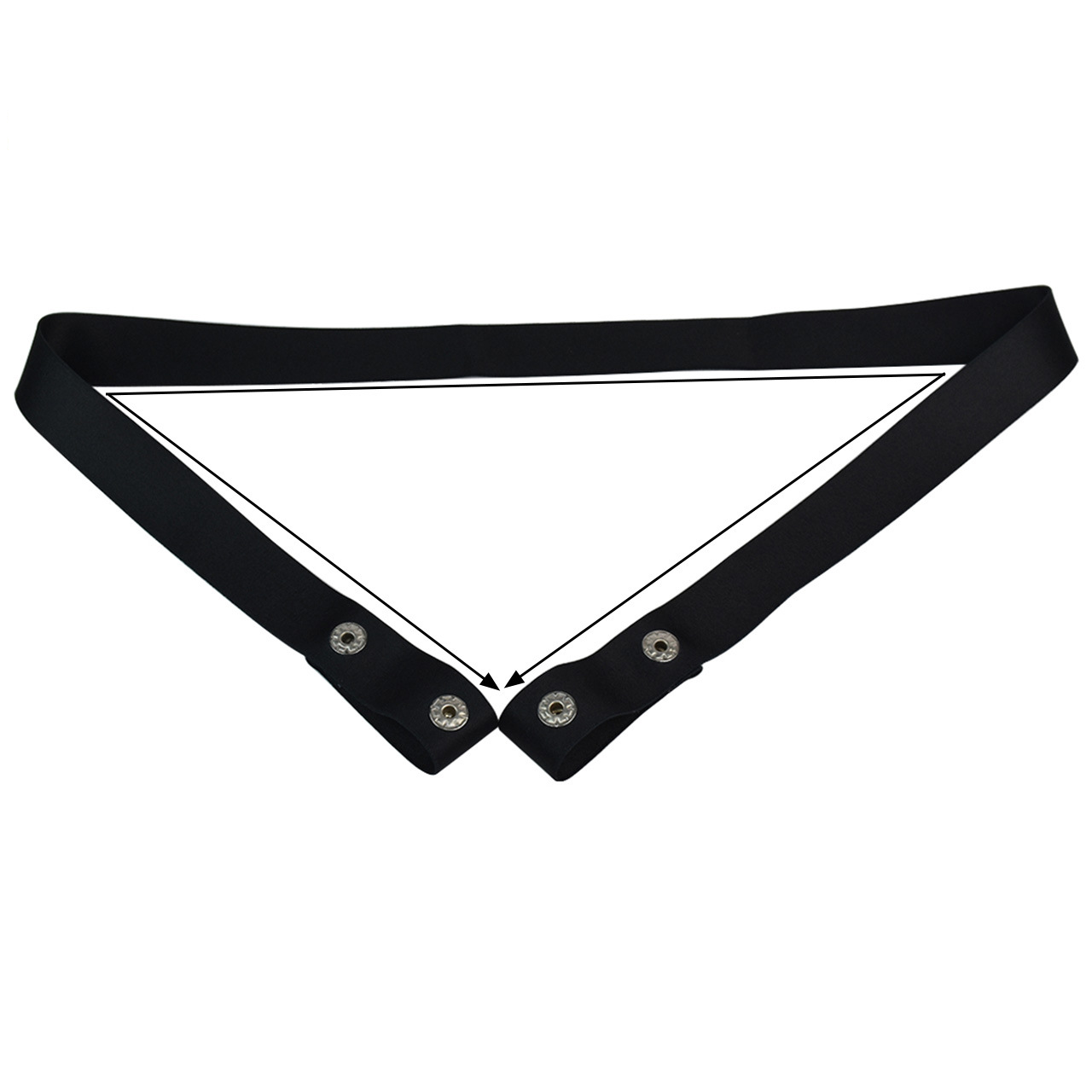
The Elasticity Belt in its listing shows its own fastening approach — that stated design, not the buyer’s preference, is what meets the cage.
Check the cage’s documented attachment points
The cage side must offer what the clip or loop needs: a molded ear, a welded loop, a guide slot. Check the cage’s listing or manual for its documented attachment points — named, pictured, measured. A cage without documented points is a cage without a strap, whatever the strap’s photos suggest; the absence is definitive even when the marketing is hopeful.
Measure the point too: its width and opening size determine which fastener widths and styles physically fit. Two numbers — fastener and point — must agree like any other hardware pair.
Compare the included hardware
When the strap ships with its own hardware (clips, adapters), compare each piece against the attachment point: style, width, opening. When a cage ships with belt hardware (as some configurations do), compare that against the strap. In both directions the rule is the same: the junction is engineered as a pair, and only a matched pair transfers load safely.
Photograph the junction on assembly once — it documents the working setup and becomes the reference if hardware is replaced later.
Elasticity Belt For Chastity Cage
The strap side of the junction: The Elasticity Belt is the strap example: an adjustable elastic support accessory whose attachment design meets the cage’s documented points — sold as the accessory it is, in Black, Pink or White, sized for waists from about 85 to 130 cm. Check: the belt supports a correctly fitted cage; it does not create attachment points that were never engineered.

Choose a supported combination
A supported combination is one of two kinds: factory-paired (a cage configuration whose belt hardware ships together, engineered as one) or seller-confirmed (strap and cage verified compatible in writing for your exact models). Anything else is an experiment wearing a product photo. Choose factory-paired when starting fresh; choose seller-confirmed when matching an existing cage; choose neither when the junction is a guess.
The supported route costs one email or one configuration choice. The unsupported route costs a strap that works with nothing — and the drawer space to store the lesson.
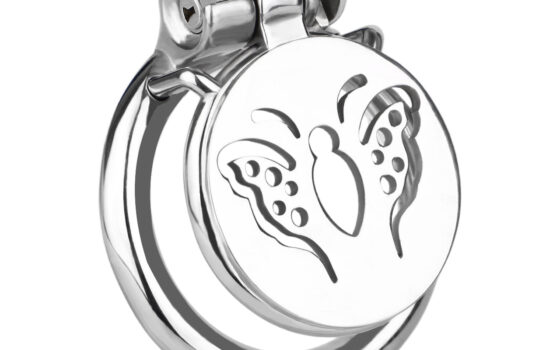
Butterfly Flat Chastity Cage
And the factory-paired example: The Butterfly Flat’s with-belt configuration is the supported combination in one order: strap and attachment hardware shipped as part of the cage’s own design. Check: the with-belt option changes the package by adding the strap row; the cage and ring rows stay exactly as you selected them.

Identify the fastening, check the documented points, compare the hardware pair, and buy supported: four steps that turn strap compatibility from a hope into a specification. The junction is the whole relationship — and matched pairs are bought, not improvised.
This guide includes promotional links to ChastityCage.co. For the strap side of the junction, view the Elasticity Belt at ChastityCage.co.
Related ChastityNow guides
- Support strap vs full belt
- Will a support strap connect to your cage?