This guide is not medical advice. Stop use if significant pain, numbness, swelling, discoloration or circulation concerns occur.
Strap compatibility is usually asked from the wrong end: “will this strap fit my cage?” when the answerable question is “what does this strap attach to?” Start from the strap’s own hardware — clips, loops, hooks — and the cage-side question becomes specific, photographable and answerable in one seller reply.
This guide reads compatibility from the strap side, with the Elasticity Belt and the Butterfly Flat’s belted variant as the two reference patterns. The cage-side view lives in the attachment-points guide; sizing follows in the support-belt sizing guide.
Where does the strap attach?
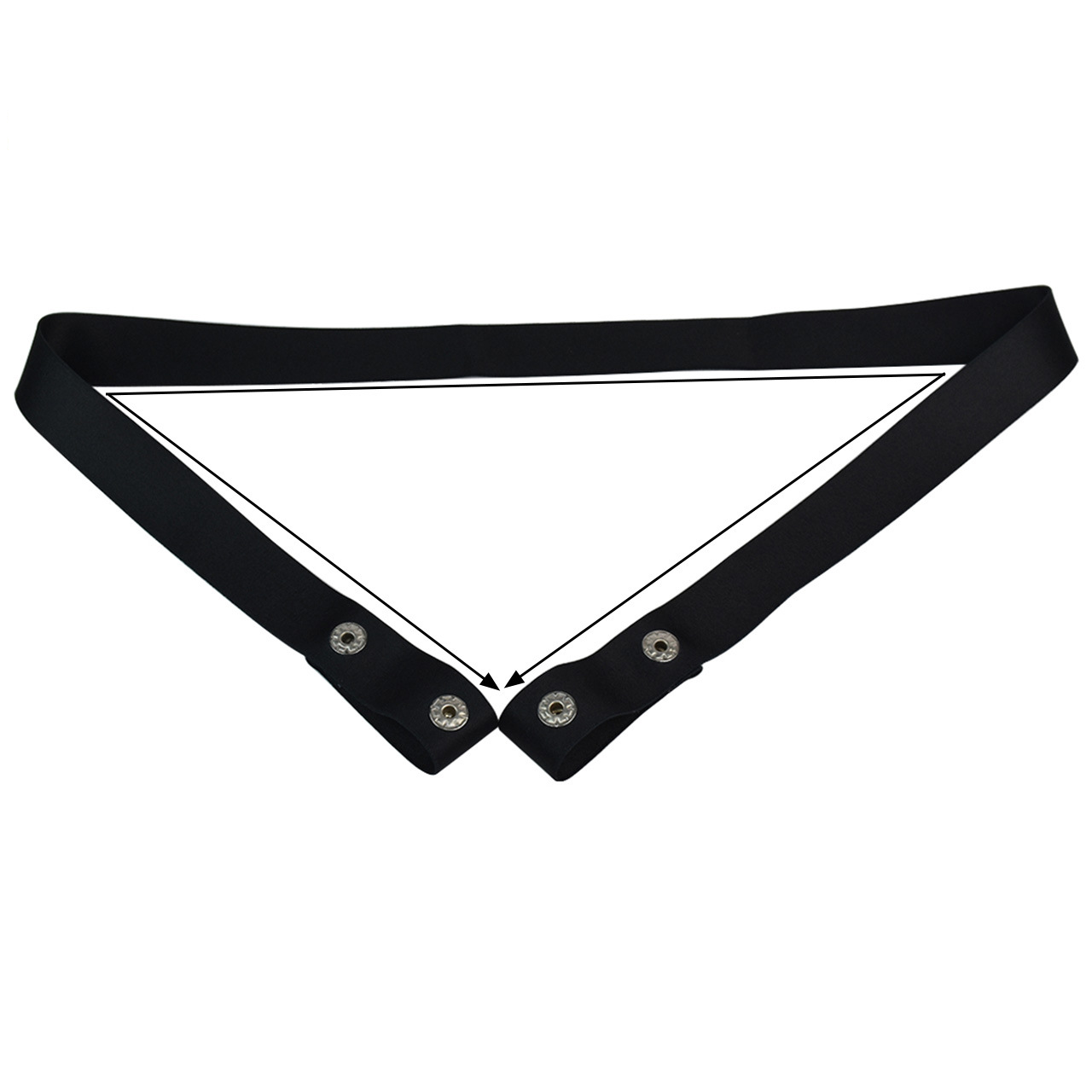
To whatever the strap’s design says it attaches to: a loop that slips over the cage body, a clip that closes on a ring ear, a hook that catches a designated point. The Elasticity Belt’s listing shows its own attachment approach; the honest reading names the target — “attaches to the cage’s belt loop” is a specification, “works with cages” is a hope. Before any purchase, know which sentence your candidate strap speaks.
The strap’s attachment hardware is also its wear point: the clip that opens hundreds of times, the loop that takes the load. inspect that junction in the listing’s photos the way you’d inspect a ring’s connector — it is the same engineering question wearing fabric.
Which clips or loops are documented?
Exactly the ones the listing shows and names; everything else is undocumented. Read the product gallery for the hardware close-ups: fastener type, width, material. The Butterfly Flat’s with-belt variant documents its belt as part of that configuration — strap and attachment engineered together at the factory, which is the compatibility gold standard: one maker, one design, one package.
Separate straps document less, because they must promise less: an adjustable elastic band with its own clip, facing a market of cages whose points vary. The documentation gap is not deception — it is the honest shape of a generic accessory. Your job is closing the gap with specifics.
Elasticity Belt For Chastity Cage
The separate-strap pattern — its own hardware, documented connection required: The Elasticity Belt is a separate support accessory, not a complete chastity cage. It is available in Black, Pink and White, with an adjustable elastic design. Compare its attachment points with your existing setup before ordering; a support strap does not replace a correctly selected cage and ring.

Butterfly Flat Chastity Cage
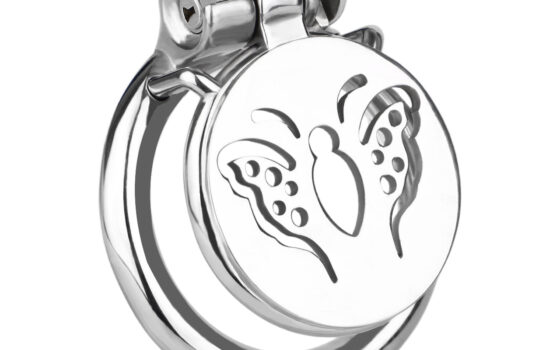
The factory-paired pattern — belt, hardware and cage in one variant: The Butterfly Flat pairs a distinctive butterfly-shaped front with a stainless-steel construction. The package lists one cage, one selected ring and a lock with two keys; a belt is optional. Choose this design when you prefer its outline, then select your ring and belt configuration.

Does selecting a belt change the ring supplied?
On designs where the belt is a checkout variant, read the package list per variant before assuming: the belt selection changes what ships — strap and its hardware — while the ring remains your separately selected size on the Butterfly-style listings. The variant changes the strap column of the package, not the fitting column. Verify by reading the with-belt configuration’s list in full; photos of a belted assembly show a configuration, not a contents guarantee.
For separate-strap purchases, the question is reversed: the strap adds nothing to the ring — it attaches to the existing setup. Either way, ring and strap are independent columns that only meet at an engineered attachment point.
What should you photograph for the seller?
Three frames, one message: your cage’s attachment point close-up with a ruler for scale; the cage’s model and variant visible in frame; and the strap listing you intend to buy screenshotted beside your question — “does this strap’s hardware connect to this point as sold?” Sellers answer photographed questions precisely because the evidence does half their work. Save the reply with your kit records.
If the answer is no, the photographed point still earned its keep: it is the document that steers you to a belted-variant design instead — compatibility purchased at the factory rather than negotiated over email.
Start from the strap, name its hardware, check what the belt variant really changes, and let your photos ask the question. Compatibility answered from the strap’s side is one email; from the cage’s side it is a gamble. Same hardware, better order.
This guide includes promotional links to ChastityCage.co. To review strap hardware, view the Elasticity Belt at ChastityCage.co.
Related ChastityNow guides
- Belt attachment points
- Chastity support-belt sizing