Smart and remote chastity devices mapped: what's actually controlled (key access), which dependencies stack up, and what stays optional — always the exit.
This guide is not medical advice. Stop use if significant pain, numbness, swelling, discoloration or circulation concerns occur.
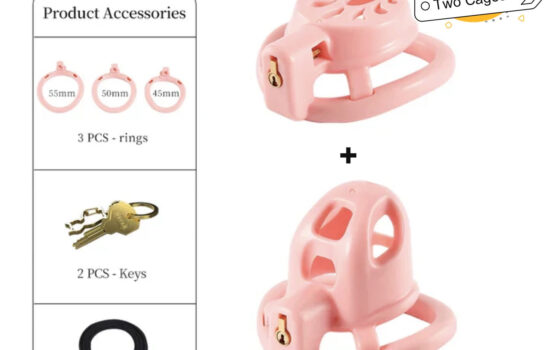
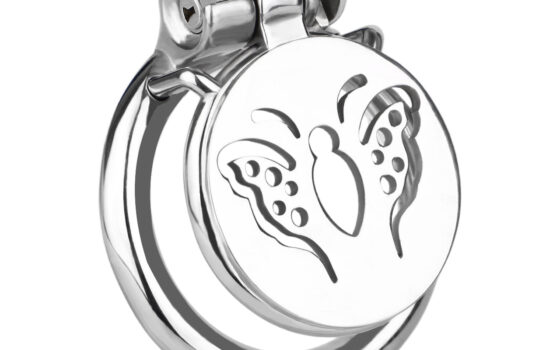
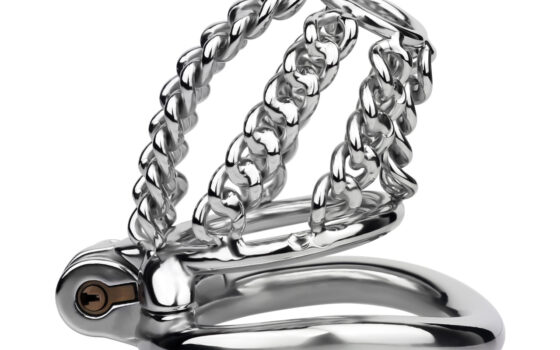
“Smart chastity” covers two different architectures wearing one adjective: cages with built-in electronics, and ordinary mechanical cages whose key access runs through a smart box. The market’s center of gravity — and this guide’s focus — is the second: a mechanical device you already understand, wrapped in an app-managed access layer.
This guide maps the connections, controls and dependencies of that pattern, using the Metal Key Pod as the worked example, and states plainly what the maker must document before any smart layer holds a real key. The architecture comparison is in the key-box-versus-smart-cage guide.
What is actually controlled remotely?
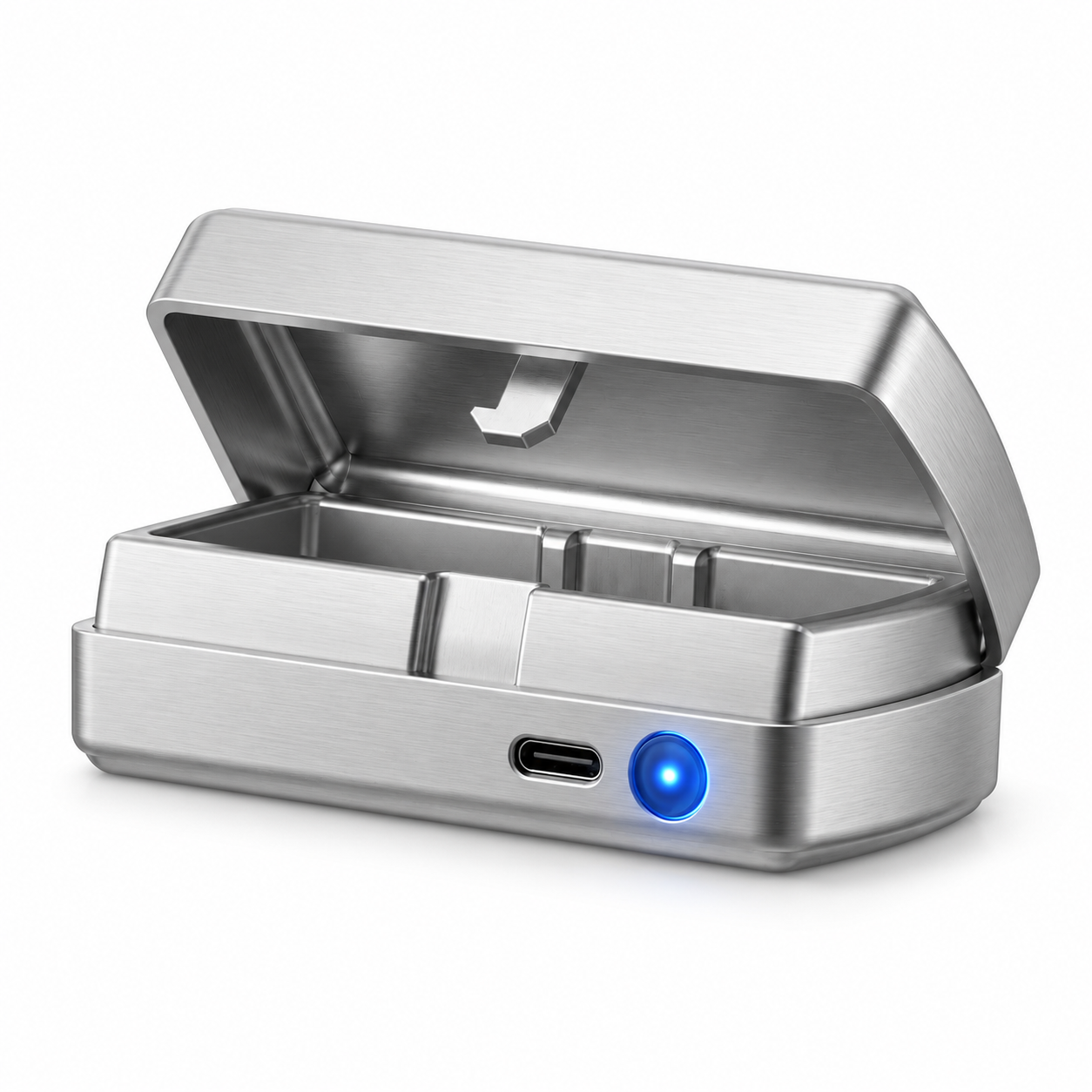
Access to the key — the box’s permissions, timers and sharing — not the device’s mechanics. The Metal Key Pod controls when a physical key becomes available: app permissions open the box, offline timers govern it, partner sharing (per the maker’s current model) extends it. The cage behind the system remains exactly as mechanical as before; the smart layer lives entirely in the key’s paperwork.
That clarity prevents the category’s biggest misunderstanding: remote features manage ceremony and availability. They do not reach into the device, alter its fit, or replace any of its hardware responsibilities. What’s controlled is the key; everything else is still dumb metal, thankfully.
Does the device require a phone or service?
The system has a dependency stack, and the listing names its layers: Bluetooth means the managing phone in range for live control; the offline timer means the box enforces its countdown without any phone; USB-C charging means a battery in the dependency chain. No mobile-service subscription appears in the Metal’s listing — that is the Pro family’s column, with its membership conditions.
Write your stack down: which layers your routine actually uses (app control? timer? both?), and what each layer needs when it matters. A dependency you have not named is a dependency you have not planned for — and smart hardware punishes unplanned dependencies at the least convenient moment.
Which functions are optional?
Nearly all of the smart layer, by design. The box can hold a key with no timer running, no partner shared, no schedule set — a metal container with app conveniences switched off. Timers are opt-in per session; sharing is opt-in per partner; connectivity is as local or absent as your routine wants. The optional nature is the feature: smart layers that cannot be simplified become obligations, and obligations do not belong in this practice.
The non-optional list is correspondingly short and absolute: a mechanical cage that fits, a lock that works, and independent physical access to a key. Everything the box adds sits on top of that floor, never instead of it.
QIUI Smart Key Holder – App-Controlled Metal Key Pod
The worked example — a metal key box whose smart layer manages key access: The QIUI Metal Key Pod adds a dedicated metal box for physical keys, with listed Bluetooth/app control, an offline timer and USB-C charging. Choose it for managing the key rather than replacing the cage itself. Keep an independent emergency-access arrangement outside any timed box.

What must the maker document about independent access?
Four behaviors, in current writing: what the box does with power loss; what the offline timer does when its battery dies mid-countdown; how permissions transfer or reset; and what manual path exists that bypasses electronics entirely. Where documentation answers, plan with it; where it is silent, treat silence as the worst case — and let the spare-key rule make the worst case irrelevant.
The standing architecture holds across every smart product: the emergency key is a separate physical key in a separate boring place, outside the box, outside the app, outside every dependency this page has named. The smart layer earns its place only while that floor stays intact.
Smart chastity, honestly mapped: the key is remote-controlled, the cage stays mechanical, and every convenience is optional except the exit. Name your dependencies, read the maker’s four answers, and keep the boring key exactly as boring as it was. The smart layer is a toy department — the floor beneath it is load-bearing.
This guide includes promotional links to ChastityCage.co. To explore the smart layer, browse QIUI wireless products at ChastityCage.co.