This guide is not medical advice. Stop use if significant pain, numbness, swelling, discoloration or circulation concerns occur.
Photos are the most trusted and least reliable evidence in cage shopping: they prove what the camera saw and get trusted for what it didn’t. The skill is a clean split — what images genuinely show (assembly, finish, presentation) versus what they cannot (material identity, dimensions, fit).
This guide draws that line with two documented kits as examples. The chart-reading skill that replaces photo-guessing is in the size-chart guide.
Which views show the whole assembly?
Three views, honestly lit: the side profile (assembled, showing ring, cage and lock as one object), the rear-quarter (the connector where ring meets cage), and the straight-on front (openings and plate shape). A listing with all three lets you understand the device’s architecture; a gallery of hero angles and detail crops leaves the assembly itself to imagination. Prefer listings that show the whole machine.
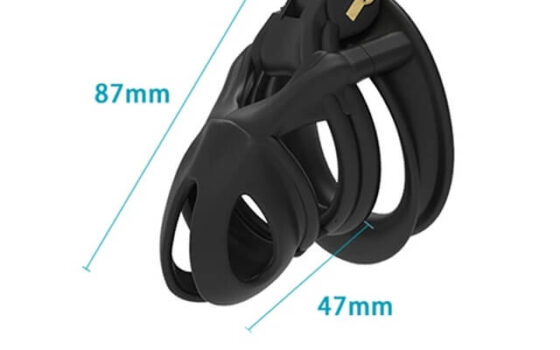
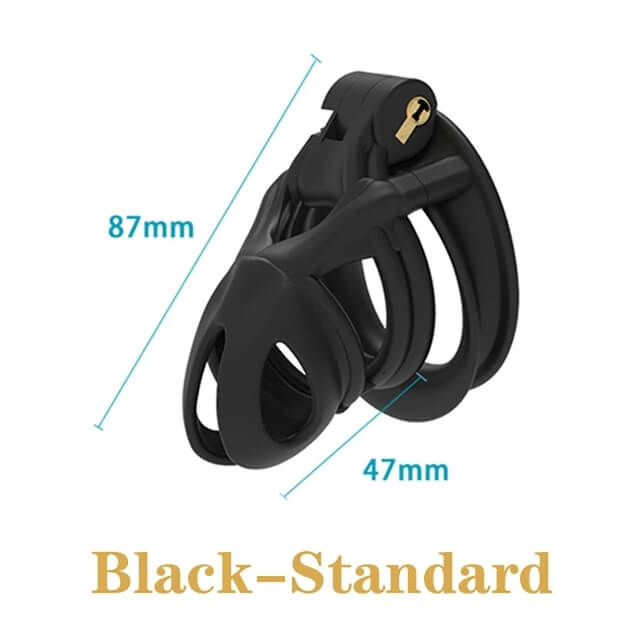
The two example kits both publish assembled shots — cage with rings visible, lock seated. That completeness is a documentation signal: a seller who photographs the whole assembly usually specifies it too.
Does the package photo match the written list?
Count the flat-lay photo against the package list when both exist: the Viper-style kit’s parts photo should show one body, four rings, lock and keys — matching its written basis; the two-body set’s photo should show both cages, three rings, belt. When photo and list agree, trust strengthened; when they disagree, the written list is the contract and the photo is staging. Photos are arranged by stylists; lists are signed by sellers.
Watch for borrowed props too: rings pictured from another product, belts from a different kit. The written list governs what ships; the photo governs nothing.
The Viper Chastity Cage V7.0 EVO
Assembly-documented photography — the whole kit visible, list matching: Choose the Viper V7.0 EVO for a nylon-resin kit with four base rings. One selected cage, a lock with two keys and a safety pin are included, giving you a clear starting set without buying each ring separately. Select the cage size on the product page.

Does the pictured size match the selected option?
Only sometimes, and never provably: product photography shows one configuration regardless of which variant you select, and scale references (hands, rulers) appear when a stylist remembers. A pictured cage tells you the design’s general proportions at best. Your selected variant’s true size comes from its chart row — which is why photo-driven sizing is this category’s most reliable mistake.
Use photos for shape and finish; use stated millimeters for size. A buyer who knows which question each source answers has already out-shopped the gallery.
Flat & Small Chastity Cage Set
Package-staged photography — both bodies and accessories as listed: The Flat & Small Set includes two cage shapes, three rings, two keys and an adjustable support belt. Choose it when you would rather compare a flat and a small shape within one package than order two separate kits. Pink and Black are separate color choices.

Which facts cannot be judged from a photograph?
Material identity (a photo cannot certify 304 stainless or name a polymer), usable internal length (perspective and focal length lie professionally), internal finish at contact points, assembled weight, and — the biggest one — fit. Every one of these facts lives in the listing’s stated specifications, the seller’s written answers, and eventually your own fit test. The photograph’s honest territory is narrower than its reputation; shop inside the territory.
Then enjoy the photos for what they do well: showing you the object as an object. Just never let a render answer a question the spec sheet was written for.
Photos show assembly, finish and presentation; specifications carry material, dimensions and fit. Read each source for what it knows, count package shots against written lists, and never let a beautiful render answer a millimeter question. The camera sells; the listing ships.
This guide includes promotional links to ChastityCage.co. For kits photographed as completely as they’re specified, browse chastity cage kits at ChastityCage.co.