A clear definition of keyholding that centers responsibility, consent, emergency access and the difference between negotiated control and bodily autonomy.
This guide is not medical advice. Stop use if significant pain, numbness, swelling, discoloration or circulation concerns occur.
The literal task—holding a small key—can make the role sound passive. In practice, the keyholder may be asked to remember agreements, respond to fit or hygiene needs, manage privacy and decide routine unlocks. That responsibility must be chosen rather than assumed.
For the wider couple context, read male chastity for couples. This guide keeps the focus on the keyholder role itself.
What a keyholder controls
Inside the negotiated activity, a keyholder may decide when a normal session ends, approve planned cleaning breaks, keep the main key or set agreed rituals. The exact authority should be written in plain language. It can be playful and meaningful without being unlimited.
The wearer retains bodily autonomy. Either person can revoke consent, and a physical warning sign ends the device part of the activity.
What a keyholder is responsible for
- Understanding the agreed scope and stop language.
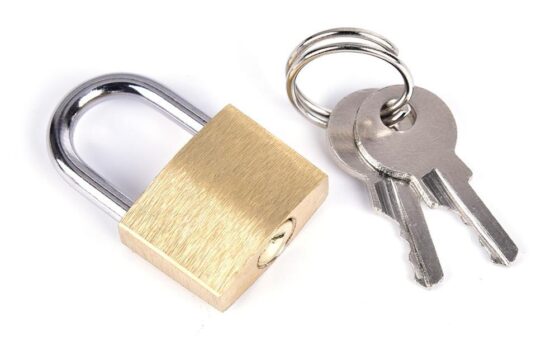
- Keeping the normal key secure and identifiable.
- Knowing where the emergency method is.
- Responding to fit, hygiene and emotional check-ins.
- Protecting privacy and any shared data.
- Releasing control when consent changes.
Normal key versus emergency access
Separating these concepts helps preserve both play and safety. The keyholder can manage the normal key while an emergency key remains sealed, logged or otherwise accessible. Using it for pain, circulation changes, injury, bathroom difficulty or revoked consent is not cheating.
An emergency system that requires a distant person to respond is not reliable enough on its own.
Consent is a continuing process
Agree duration, cleaning, sleeping, work, travel, messages and what happens when either person is unavailable. Revisit those terms as experience changes. A safeword or plain “stop” should have an immediate, known result.
The role should never be used to punish someone for raising a safety concern or for wanting to renegotiate.
The keyholder does not owe a performance
A partner may hold the key without adopting a dominant identity, creating elaborate rules or providing constant teasing. The wearer should not outsource all motivation and emotional regulation to the keyholder.
If expectations differ, reduce the role or pause. A modest agreement both people enjoy is stronger than a theatrical role one person resents.
Practical check-ins
| Area | Keyholder prompt |
|---|---|
| Fit | “Any pressure, numbness, rubbing or temperature change?” |
| Function | “Can you urinate, clean and move normally?” |
| Consent | “Do you still want the agreed plan?” |
| Role | “Is this level of structure working for both of us?” |
| Logistics | “Will the key remain reachable during the next period?” |
Who can be a keyholder?
A romantic partner, trusted play partner or another consenting adult can take the role. Gender does not define it. Professional or remote arrangements add identity, privacy, payment and reliability questions that require separate caution.
No one should accept a stranger’s control without a verified safety and privacy plan.
How to begin responsibly
Start with a short agreement and a familiar device that has already passed wearer-controlled fit tests. Keep the first keyholding session awake and local. Review outside the roles afterward.
If the initial conversation has not happened, use the pressure-free partner guide before offering a key.
Role boundary: The keyholder must support immediate removal for pain, numbness, swelling, unusual discoloration or coldness, broken skin, trapped tissue or difficulty urinating. Consent withdrawal also ends the activity. Seek care for severe or persistent symptoms. Educational information only.
Key management is practical, not symbolic only
Label keys without exposing private information, test duplicates and avoid storage where children, visitors or coworkers may find them. If a key is worn as jewelry, keep a separate tested emergency method.
For remote arrangements, time zones and availability matter. The wearer still needs local removal access.
Ending the role
Either person may stop keyholding. Return keys, remove the device safely, delete or return private material as agreed and discuss what boundaries continue afterward. A role can end without invalidating the trust that existed during it.
The Keyholding hub covers role boundaries, agreements and emergency planning in more detail.
Responsibility split
| Keyholder may manage | Wearer always retains | Shared responsibilities |
|---|---|---|
| Normal key storage and agreed unlock timing | Bodily autonomy and the right to stop | Privacy, check-ins and accurate information |
| Consensual rituals inside the agreement | Independent emergency access | Reviewing the agreement after problems |
| Declining or ending the role | Access to hygiene and medical care | Protecting keys and personal data |
Control of a key is not control of a body
A keyholder holds a key and a defined responsibility—not another person’s bodily autonomy. Clear scope, emergency access, privacy and honest check-ins turn symbolic control into a sustainable adult agreement.