A pre-lock agreement framework that keeps symbolic control separate from emergency access and ongoing consent.
This guide is not medical advice. Stop use if significant pain, numbness, swelling, discoloration or circulation concerns occur.
A keyholder agreement may be a short shared note rather than a formal contract. Its value comes from removing guesswork: each person knows what is expected, what remains outside the scene and how the plan changes when real life intervenes.
Define the role and the goal
State whether the keyholder manages ordinary unlock timing, reminders, tasks or only physical key storage. Name the shared purpose without assuming a dominance style that was never agreed.
Set duration and review points
Use a clear first session and a time to review. Avoid open-ended wording for a new arrangement. Work, sleep, travel, illness and privacy can all trigger an earlier review.
Separate normal and emergency access
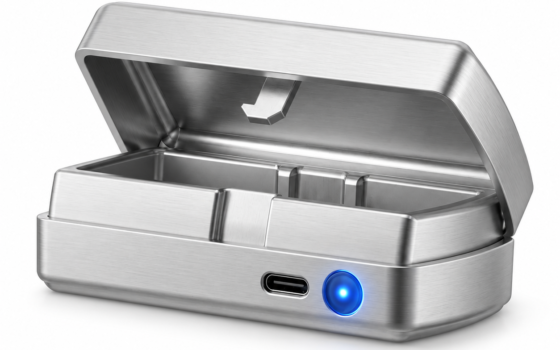
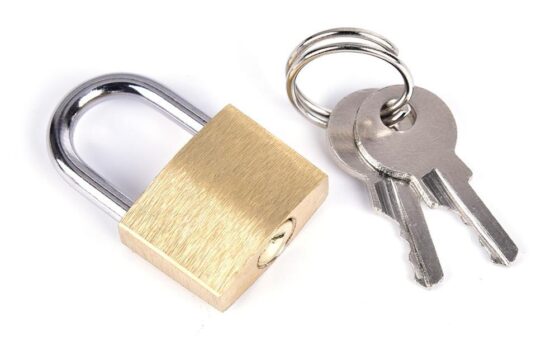
The keyholder may control routine release inside the agreement. A working emergency key or release route must remain available locally for physical problems or withdrawn consent.
Write hygiene and check-in rules
Specify cleaning access, full removal, skin checks and what the wearer reports. Ask direct questions rather than treating silence as proof that everything is fine.
Protect privacy and communication
Agree who may know, whether photos exist, where the key is stored and what messages are acceptable. No third party should be involved without explicit consent.
Use decision gates instead of a streak
| Check | Decision |
|---|---|
| Can either person pause or end the agreement? | If not, rewrite the rule. |
| Is the emergency route local and tested? | Do not lock until it is. |
| Are check-ins specific? | Ask about sensation, skin, urination, sleep and consent. |
| Are ordinary-life exceptions named? | Add work, travel, appointments and illness as needed. |
| Does the keyholder accept the responsibility? | Do not assign the role by default. |
Review before adding another demand
Review outside the role. Ask which rules helped, which felt burdensome and whether the responsibility remained realistic. Revise one part at a time and accept that the best next agreement may be shorter, self-managed or device-free.
Let a failed gate simplify the plan
A failed check does not create a debt of hours to recover later. It means the next step is smaller: repeat the earlier stage, remove a difficult setting, change one fit variable or pause until the body and relationship return to baseline. This prevents a calendar, keyholder rule or public challenge from becoming more important than the evidence gathered during the routine.
Keep a record that supports real decisions
Write the configuration, activity, cleaning method, physical observations, emotional response and removal result in plain language. “Fine” is less useful than “stable while walking, lower-ring pressure after forty minutes seated, normal skin after removal.” A short record makes patterns visible and helps prevent the same failed setup from being repeated under a new label.
A routine can remain deliberately modest
There is no requirement to progress to work, sleep, travel or continuous wear. A short private session may be the version that best fits health, privacy and relationship needs. Treat stable limits as a valid design choice rather than a plateau to defeat. The schedule serves the people involved; they do not owe the schedule an escalation.
Continue with the relevant ChastityNow guides
The bottom line
Good keyholder rules make consent, safety and logistics easier to use. Define control precisely, preserve immediate release, check in honestly and let every rule remain open to renegotiation.
This article belongs to the Keyholding library, where the surrounding guides cover the wider topic.