A non-legal framework for writing clear, revisable chastity rules without turning consent into a permanent or enforceable promise.
This guide is not medical advice. Stop use if significant pain, numbness, swelling, discoloration or circulation concerns occur.
The useful document is usually simpler than an online “contract.” It records decisions that would otherwise be forgotten or disputed. Avoid permanent language, legal theatre and clauses that turn discomfort or changed consent into punishment. The agreement should have a review date and an obvious way to end.
A Written Agreement Clarifies Expectations; It Does Not Remove Consent
Write at the top that the document is a personal agreement, not legal advice, and that consent remains ongoing and reversible. A signature records one moment; it does not bind future bodily decisions.
If either person stops, the device is removed and keys are returned as needed. The document can describe a later review, but it cannot create penalties for using a stop signal or emergency key.
Purpose and Scope
State why the arrangement exists and which practices it includes. Separate device wear, key custody, orgasm rules, communication style and symbolic roles. Exclude anything not discussed.
Add the first trial context and an expiration or review point. Avoid broad phrases such as “total control” unless every practical behaviour has been defined and independently agreed.
Wear, Removal and Hygiene
Record the approved device and setting, contexts such as waking home wear, maximum trial boundary, normal removal plan and cleaning routine. Note that new devices, sleep, work, travel and exercise require separate agreement.
List physical stop signs in plain language and require removal first. Do not prescribe treatment or a mandatory return date after irritation or injury.
Keys and Emergency Access
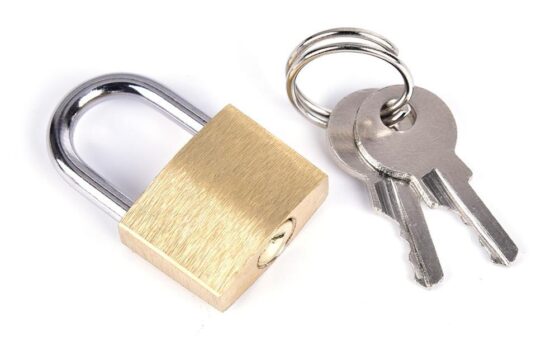
Name who holds the normal key, where the tested spare is stored and how the wearer reaches it without waiting. Include lost-key, unavailable-partner and travel scenarios.
Tamper evidence can be documented, but emergency use carries no punishment. After removal, the couple records the reason and decides later whether the access plan needs repair.
Communication and Check-Ins
Choose a realistic frequency, questions and an urgent contact route. Allow both people to report capacity and change the plan. A missed message should lead to neutral follow-up, not automatic extension.
Record only decisions needed for continuity. Avoid turning private feelings or photos into a compliance archive that can later be used as leverage.
Privacy and Digital Content
Specify who may know and separate permission to create, store, send and publish images. Include device and account choices, backup settings, identifying details and deletion on request or termination.
Confidentiality should protect both people after the arrangement ends. Outing, threats or retaining intimate content against a person’s wishes are outside a healthy agreement.
Changes, Expiration and Ending the Agreement
Give the document a version date and scheduled review. Any expansion needs a fresh shared yes; either person may narrow or end participation. Avoid “irrevocable,” “permanent” or automatic-renewal language.
On ending, remove the device, return keys, settle ownership of equipment and follow the privacy deletion plan. A closure conversation is optional, not a condition of release.
Sample Agreement Framework
Use these headings as prompts and write only mutually agreed answers.
- Purpose and exact scope
- Approved first context and excluded activities
- Normal wear, removal, cleaning and inspection
- Primary and emergency keys
- Check-in format and urgent contact
- Privacy, images and data deletion
- Stop process, review date and ending
Related ChastityNow guides
Keep the Document Short Enough to Use
A good agreement makes ordinary decisions visible and leaves room for change. If a clause cannot be explained calmly or would delay safety, remove it. Review the document after real experience and let current consent—not old wording—control the next step.