Mixed-material chastity kits put polymer, metal and fabric in one box. Read them as a component table — material, care and wear notes per part.
This guide is not medical advice. Stop use if significant pain, numbness, swelling, discoloration or circulation concerns occur.
Kit marketing says “resin cage” and lets you assume the rest. Reality arrives as a materials map: polymer body, metal rings, metal or integrated lock, fabric or elastic belt, brass keys. Every one of those materials has its own care limits, its own wear patterns and its own role in how the assembly feels on the body.
This guide shows how to read a mixed-material kit as a component table, using the Locktober kit and the Viper kit as examples — without ranking materials against each other. The family-level overview lives in the types overview, and polymer specifics in the plastic and resin guide.
Which material belongs to each component?
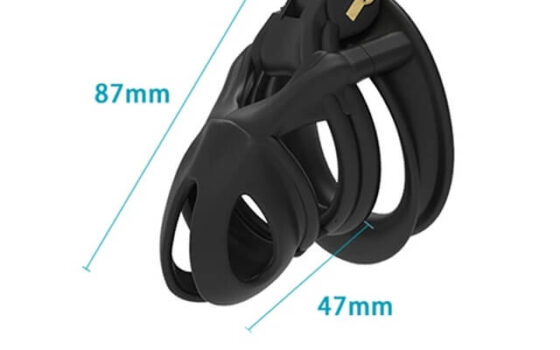
Build the table from the package list. The Locktober kit: ABS-resin cage, four aluminum-alloy rings, aluminum lock with two keys, support belt — three material families in one box. The Viper kit: nylon-resin body, four base rings, lock with two keys, safety pin — the polymer leads, the small parts follow their own specs. Neither listing claims one material for everything, which is exactly what an honest kit page looks like.
The table matters because your senses meet components, not kits. Weight at the ring is ring material; the shell’s thermal feel is body material; the belt’s stretch is belt material. When a wearer says a kit “feels heavy,” they usually mean the ring and lock; when they say it “feels warm,” they mean the shell. The table converts those impressions into parts you can compare on the next purchase.
Does one material claim cover the whole kit?
No — and treating it as if it does causes the two classic mistakes: assuming “stainless kit” means stainless keys and pins (often steel but not always the same grade), and assuming “resin kit” means light hardware (the Locktober’s aluminum rings are deliberately metal on a resin cage). Where a listing is silent about a small part’s material, ask; small parts are cheap to specify and quick to corrode if assumed wrong.
The honest boundary cuts both ways. A mixed kit is not “compromised” versus a single-material device — the mix exists because different jobs want different materials. Anchoring wants rigidity at the ring; the shell wants lightness and finish; the lock wants durability. Judge each component’s material against its job, not against a fictional all-one-material ideal.
Locktober Chastity Cage
The mixed kit this guide uses as its worked example: The Locktober Chastity Cage brings an ABS-resin cage, four aluminum-alloy rings and a support belt into one kit. Choose the No Urethral option for the basic configuration, then select the cage size. It is a straightforward choice when those included parts match the setup you are looking for.

Could different parts need different care?
Yes, and the care routine should say so. A polymer body tolerates warm soapy water; an integrated lock may not tolerate soaking; a belt wants air-drying away from heat; keys want to stay dry so they don’t bind. Build the cleaning routine part by part — remove, wash the body and rings per the maker’s text, dry the lock mechanism separately, dry the belt as fabric — rather than dunking the assembled kit and hoping.
Different drying times are the practical consequence: polymer interiors and mesh structures hold rinse water longest, and reassembling a damp kit traps it against skin. Full disassembly, full drying, per-part: the routine costs five extra minutes and is the single highest-value habit in mixed-material wear.
The Viper Chastity Cage V7.0 EVO
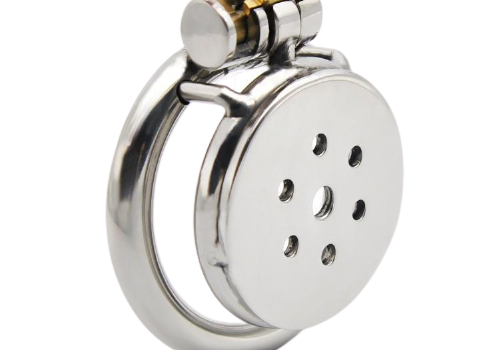
And the second reference kit, for a polymer-led component mix: Choose the Viper V7.0 EVO for a nylon-resin kit with four base rings. One selected cage, a lock with two keys and a safety pin are included, giving you a clear starting set without buying each ring separately. Select the cage size on the product page.

How should a component table be completed?
Five columns, one row per part: component, stated material, stated dimensions, care instruction (from the listing or the seller’s answer), and your wear note. Fill it before the first wear — it doubles as the inventory check that catches a missing key at the door instead of the bedroom. Leave cells blank rather than guessing; a blank is a question, a guess is a future surprise.
Update the wear column monthly. “Ring — aluminum — 43 mm — mild soap — slight finish wear at closure” is a record that predicts maintenance; “kit — fine” is not. The component table is the mixed-material kit’s owner’s manual, written by the one person who has all the facts: you.
A kit is a materials map, not a material. Read the package list part by part, care for each part by its own rules, and record what you own in a component table. The mixed-material kit rewards exactly the buyers who read it honestly — with hardware that does each job with the material that job wants.
This guide includes promotional links to ChastityCage.co. To compare component mixes on current kits, browse chastity cage kits at ChastityCage.co.