Remeasure before a new cage when weight, routine or fit feedback has changed — and always check the new model's reference points.
This guide is not medical advice. Stop use if significant pain, numbness, swelling, discoloration or circulation concerns occur.
Every cage purchase rests on a measurement set taken on some past afternoon. Bodies change, reference points differ between models, and yesterday’s confident ring size can quietly become today’s mistake. The question before any new order is not “what size am I?” but “is my size still true, and does this model even measure the way my notes assume?”
This guide covers when old measurements transfer, when they must be retaken, and what to record so the next purchase starts from evidence. The measurement method itself is documented in how to measure for a chastity cage; the wear-side interpretation lives in the fit guide.
What has changed since your last measurements?
Weight change is the big one: ten pounds moves the base-ring path more than any manufacturing tolerance. Routine changes matter next — new exercise, new medication, temperature shifts in a new climate — because tissue and measurement conditions follow. And device feedback counts as change: if the old ring that “fit” now slides, pinches or marks differently, your body has been telling you the number moved.
Audit honestly: pull out the old numbers with their dates and conditions, and compare against how the current device actually behaves. Agreement means the numbers can travel to the next order. Disagreement means remeasure first — the ten minutes is cheaper than any return shipping.
Does a new model use different reference points?
Reference points are why a “correct” number can misorder. One listing’s length runs ring-rear to tip; another’s stops at the cage body; a curved model measures along a different path entirely. Your centimeters did not change — the ruler did. Before applying an old measurement to a new product, confirm where its chart’s arrows start and end, per the size-chart guide.
Ring shapes carry the same trap: a measurement taken for round rings needs re-reading against an oval or arc product, where the same diameter sits differently. When a new model changes geometry family, treat your numbers as inputs to a new conversion — not as finished sizes.
Which records should you keep?
One page per era of your fitting life: date, conditions, the four numbers (ring, length, width, gap notes), the device they were taken for, and how that device actually fit in wear. Over time the page becomes a trajectory — you can see which numbers held across devices and which drifted, and purchases become extrapolation from data instead of repetition of hope.
Keep the failure notes especially. “48 mm slipped by month three on the old kit” is the sentence that prevents re-buying 48 mm eighteen months later with new confidence. Records age well precisely because they include what went wrong.
The Viper Chastity Cage V7.0 EVO
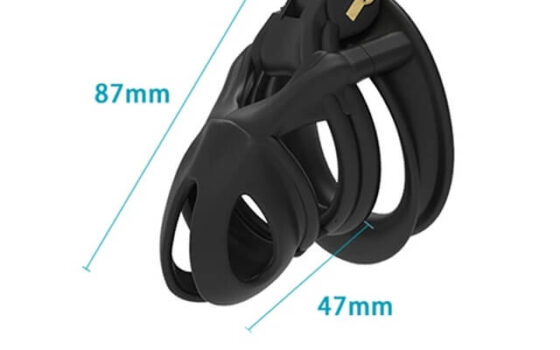
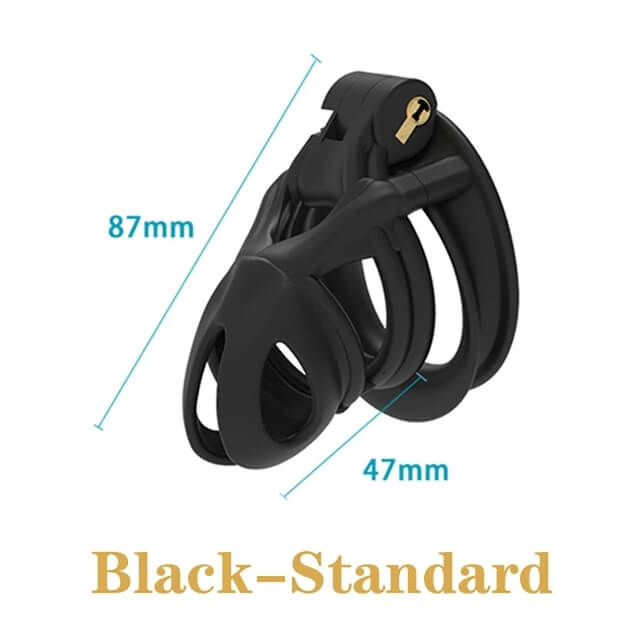
A kit format that forgives small measurement drift — four included rings re-bracket your size inside one order: Choose the Viper V7.0 EVO for a nylon-resin kit with four base rings. One selected cage, a lock with two keys and a safety pin are included, giving you a clear starting set without buying each ring separately. Select the cage size on the product page.

When should a purchase wait for clarification?
Wait when the numbers and the listing disagree and the disagreement is decision-critical: your proven ring size sits at the edge of the new product’s range, the chart’s length reference is ambiguous, or your remeasured numbers conflict with your wear experience. Any of those is a one-message seller question — and the answer either unlocks the order or redirects you to a better-documented listing.
The discipline is cheap: a purchase that waits for a written answer loses days; a purchase that guesses loses weeks and sometimes skin. Remeasure, re-reference, record — then order, or ask, with equal confidence.
Your measurements have a shelf life, and every new listing speaks its own reference-point dialect. Check what changed, translate before applying, keep the record current — and let the purchase wait whenever the numbers and the chart disagree. Fit is a living dataset, not a tattoo.
This guide includes promotional links to ChastityCage.co. To apply fresh numbers to current listings, browse chastity cage kits at ChastityCage.co.