Layer a chastity support belt honestly: documented attachment points, the clothing stack that crosses the buckle, the maker's diagram — and a log.
This guide is not medical advice. Stop use if significant pain, numbness, swelling, discoloration or circulation concerns occur.
A support belt promises anchoring; delivering it means three honest steps: find where the belt actually attaches, respect the maker’s own instructions over any guide’s improvisation, and check the clothing stack it must live under. This guide runs those steps for the strap-layer routine without inventing a single wearing procedure.
The attachment hardware question is covered in the attachment-points guide; the stacked-profile details in the buckle-profile guide.
Where are the belt’s attachment points?
Wherever the maker engineered them: the Elasticity Belt attaches per its own design — its connection end meets the cage’s designated point, and neither end improvises. Before any layering question, confirm the two ends: the belt’s documented connection (clip, loop, its own hardware) and your cage’s documented receiving point. Both named, both photographed, per the compatibility method.
An unbelted point or an undesigned belt ends the layering conversation before clothing enters it — anchoring attaches at engineering, and this guide’s clothing section only applies once that part is true.
Which layers cross the buckle?
The ones between the strap’s wearing height and the world: underwear waistbands, trouser waistbands, belts, tucked hems. Map the stack at the strap’s actual height — the sizing guide’s measurement point — and identify which layer presses the buckle inward, which slides beside it, and which (if any) can move. The stack is manageable once named; unnamed, it is the mystery irritation of every first strap week.
Dress for the named stack: smoother layers against the strap, bulkier waistbands moved up or down a fraction, and the buckle rotated to its quietest position per the maker’s design.
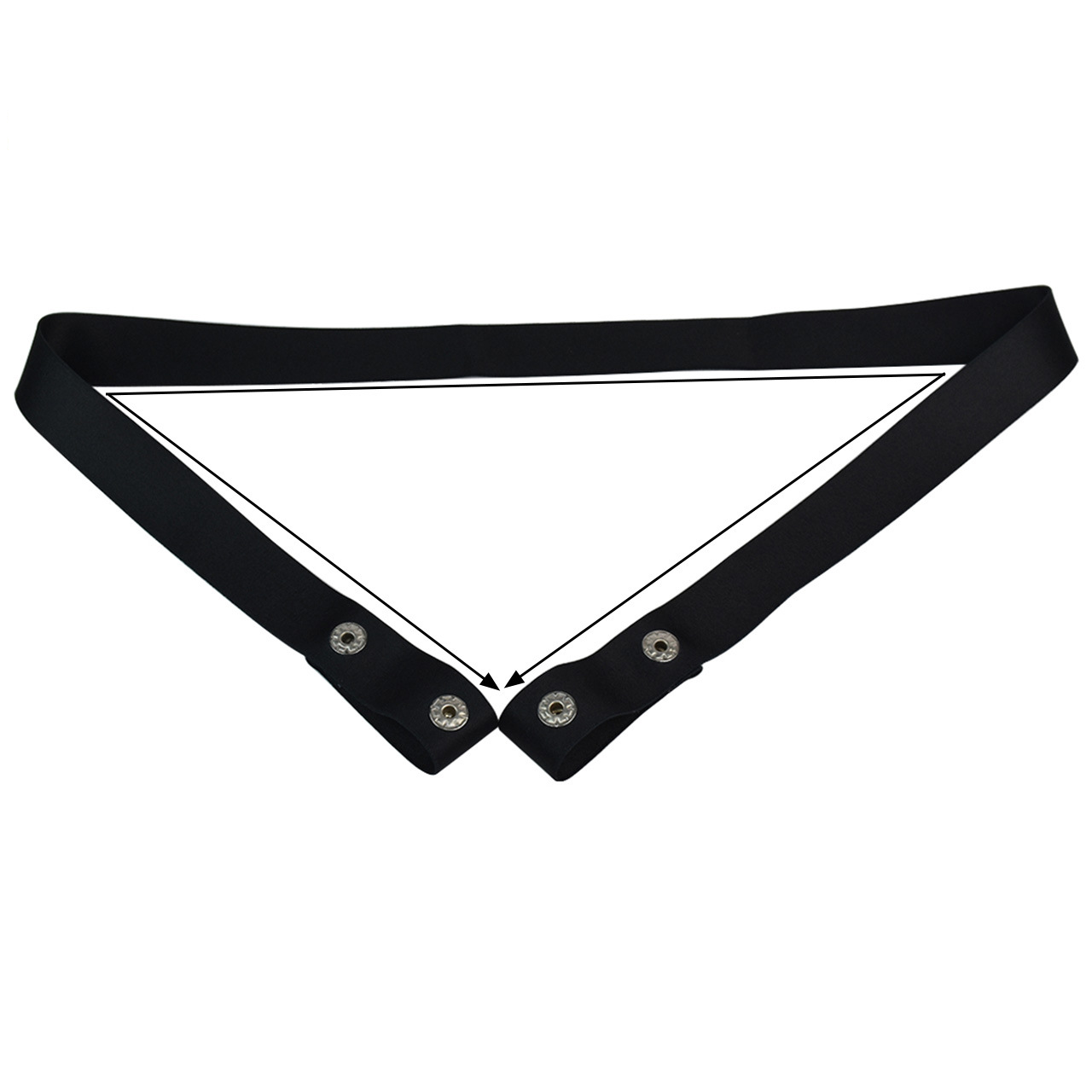
Elasticity Belt For Chastity Cage
The strap whose documented design this layering respects: The Elasticity Belt is a separate support accessory, not a complete chastity cage. It is available in Black, Pink and White, with an adjustable elastic design. Compare its attachment points with your existing setup before ordering; a support strap does not replace a correctly selected cage and ring.

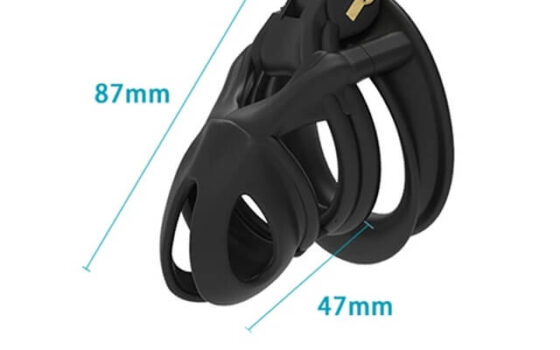
Butterfly Flat Chastity Cage
And the factory-belted alternative, where the maker paired the hardware for you: The Butterfly Flat pairs a distinctive butterfly-shaped front with a stainless-steel construction. The package lists one cage, one selected ring and a lock with two keys; a belt is optional. Choose this design when you prefer its outline, then select your ring and belt configuration.

What does the maker’s diagram specify?
The routing, the attachment orientation, the wearing position — whatever the Elasticity Belt’s documentation actually shows, and the limit of what any guide should claim. Where the maker’s diagram or instructions answer a wearing question, follow them over this page and every page like it; where documentation is thin, the seller question replaces the invented step. This guide declines to fabricate wearing procedures precisely because wrong anchoring defeats its own purpose.
Save the maker’s page with your kit records: the diagram is the strap’s manual, and manuals outlive listings.
What should a clothing check record?
The first week’s findings, logged simply: which outfits stack quietly, which buckle position disappears, which waistband argues. Four or five lines — “grey trousers: fine all day; jeans: buckle presses when seated” — convert the layering question from daily experiment to solved reference. Update the log when the wardrobe changes; it is a living two-column document of what works.
The record is also the honest measure of the strap’s value: a belt whose layering is solved earns its place in the routine; one whose stack never quiets is telling you something the log makes impossible to ignore.
Confirm the attachment ends, name the clothing stack, follow the maker’s diagram over anyone’s improvisation, and log what the first week teaches. Layering a support belt is a documentation exercise worn under clothes — and documented layers are the ones nobody notices.
This guide includes promotional links to ChastityCage.co. For the strap itself, view the Elasticity Belt at ChastityCage.co.