Compare chastity cage care requirements before choosing: instructions per candidate, component counts, electronics and coatings — care load as a feature.
This guide is not medical advice. Stop use if significant pain, numbness, swelling, discoloration or circulation concerns occur.
Two cages can fit identically and live completely differently: one washes as a shell with a stated routine, the other carries a coated part, a fussy lock and three care documents. Care requirements are a real selection criterion — comparable, table-able, and honest once you read instructions as features.
This guide builds that comparison using a resin kit and a steel kit as the worked examples. The routine behind the table is in the hygiene guide; the lock’s special case in the lock-care guide.
Which instructions are available for each candidate?
Collect them before comparing: each listing’s care text, per component, saved side by side. The resin kit example: shell care with its heat and solvent limits, hardware per its spec. The steel kit example: wash-tolerant mesh with a lock that follows its own rules. Availability itself is data — a listing with care documentation has done work the undocumented candidate hasn’t, and the comparison starts with that asymmetry noted.
Where one candidate lacks instructions, the seller question fills the gap — and the reply (or silence) becomes the row’s value. A table built on documented facts beats one built on material stereotypes (“plastic is easy, metal is fussy”), which this guide deliberately avoids.
How many separate components need care?
Count them per kit: the resin example is shell, four rings, integrated lock, keys, safety pin — each with (or needing) its own line. The steel example is mesh body, one ring, lock, keys — fewer components, with the mesh’s wash-tolerance offsetting the junction-by-junction inspection it wants. Component count times per-component care is the real care load; material family alone never computes it.
The count also scales with your routine: daily-wear kits multiply their care load by thirty; weekend kits by four. The same two cages present very different monthly care loads depending on the calendar they serve.
The Viper Chastity Cage V7.0 EVO
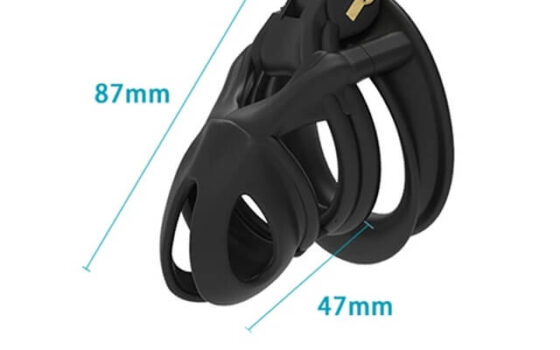
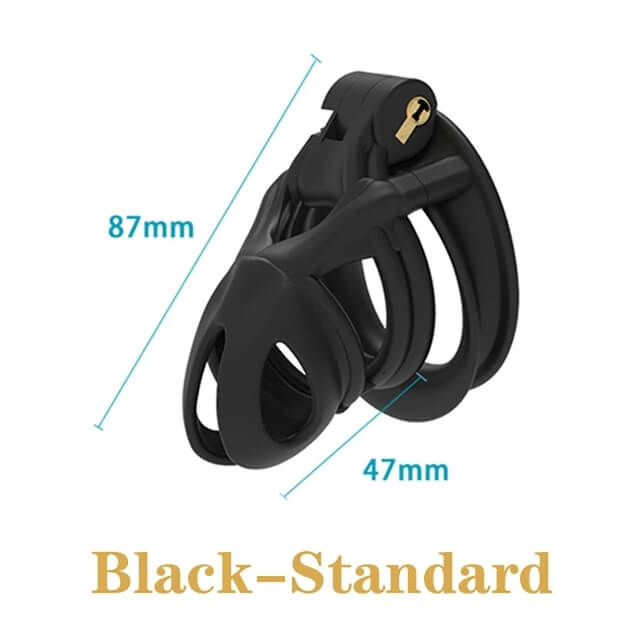
The resin row of the comparison — stated care on shell and components: Choose the Viper V7.0 EVO for a nylon-resin kit with four base rings. One selected cage, a lock with two keys and a safety pin are included, giving you a clear starting set without buying each ring separately. Select the cage size on the product page.

Are any parts electronic or coated?
The two rows that change everything: electronic components bring dry-care rules, batteries and documentation dependencies; coated surfaces bring chip inspection and abrasive limits that bare metal never has. A candidate carrying either row inherits that care family entirely — and the comparison table should show the inheritance in bold, because it is the difference between “rinse and dry” and “read the manual before every clean.”
Neither row is disqualifying — coated and electronic hardware serve real preferences. They are care-load multipliers, and the table exists so they are chosen with open eyes.
Chainmail Steel Chastity Cage
The steel row — wash-tolerant mesh with its own lock rules: Choose the Chainmail Steel Cage for its open chain-link design and a package with one cage, one selected ring and a lock with two keys. It is a different product from the Adjustable Chainmail model, so choose the ring option on this listing rather than assuming the ring adjusts.

Which missing instruction could change your choice?
The decision-critical gaps: no lock-care line on a candidate you’d wear daily; no heat limit on a resin shell you planned to wash warm; no coating statement on a colored metal finish. A missing instruction in a row your routine depends on is a deal-shaper — resolved by the seller’s written answer, or resolved by choosing the documented alternative.
Run the table honestly, let the gaps argue, and buy the cage whose care you can actually perform. The best-maintained cage is always the one whose instructions you have — a maintenance fact that outranks every material preference in the long run.
Instructions available, components counted, electronics and coatings flagged, decision-critical gaps resolved — care compared as honestly as dimensions. The cage you can maintain beats the cage you admire, every month of the year; the table is how you know which one that is before it arrives.
This guide includes promotional links to ChastityCage.co. For kits with stated care lines, browse chastity cage kits at ChastityCage.co.