Buying a steel chastity kit after resin: recheck dimensions on the steel chart, compare ring package shapes, read the new care routine — choose on documented rows.
This guide is not medical advice. Stop use if significant pain, numbness, swelling, discoloration or circulation concerns occur.
Resin-to-steel is the heavier, firmer, longer-lived direction of the material switch — and it has its own checklist. Steel does not flex where resin gave, its weight loads the ring differently, and its care routine splits between the metal you can wash and the lock you cannot soak. None of it is hard; all of it is different from the resin routine your hands know.
This guide runs the resin-to-steel switch on documented rows. The material trade-offs are compared in the metal-versus-plastic guide; the reverse switch is in the steel-to-resin guide.
Recheck full-assembly dimensions
Your resin kit proved a ring size and a length class in flexible-tolerant material. Steel transfers neither automatically: the rigid body holds its stated dimensions exactly, so the fit question becomes sharper — does your proven length actually clear this steel model’s internal space, with the width to match? Re-measure if the resin era was long, then read the steel candidate’s chart on its own reference points.
Also expect the weight row to matter for the first time: assembled steel weight loads the base ring in a way resin never did, and the chart cannot predict how your body reports that. The first sessions are data; collect them honestly.
Compare one selected ring with multiple-ring packages
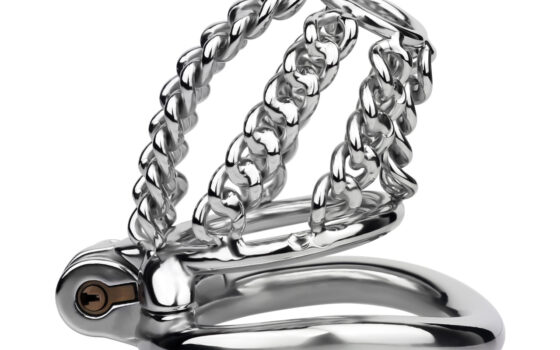
Steel kits often ship one selected ring rather than a range — the Chainmail Steel pattern: one cage, one chosen ring, lock with two keys. Coming from a multi-ring resin kit, that is a different buying shape: your size must be right at checkout, because the box contains exactly one answer. Multi-ring steel packages exist too; compare both structures on your certainty level, not on ring count alone.
If your resin-era log shows a settled size, the single-ring steel kit is the efficient buy. If the log shows drift, either remeasure until certain or pick the steel listing that includes the range — the material switch should not reopen a size experiment you already closed.
Read care instructions for the new kit
Steel care splits the assembly: the metal body tolerates more washing method than the lock tolerates soaking, and open steel structures (mesh, bars) dry fast while their junctions want brush attention. The resin habits you built — warm water, mild soap, full drying — carry over; the resin-specific limits (heat sensitivity, solvent caution) mostly relax. Read the steel kit’s own care text anyway: the maker knows where its lock, coating or finish stops tolerating what resin allowed.
New inspection habits arrive with the material: junction and weld checks on metal, corrosion spots at trapped-moisture points, and the finish questions (coated or bare) that the metal guide covers. Ten minutes with the care text is the whole learning curve.
The Viper Chastity Cage V7.0 EVO
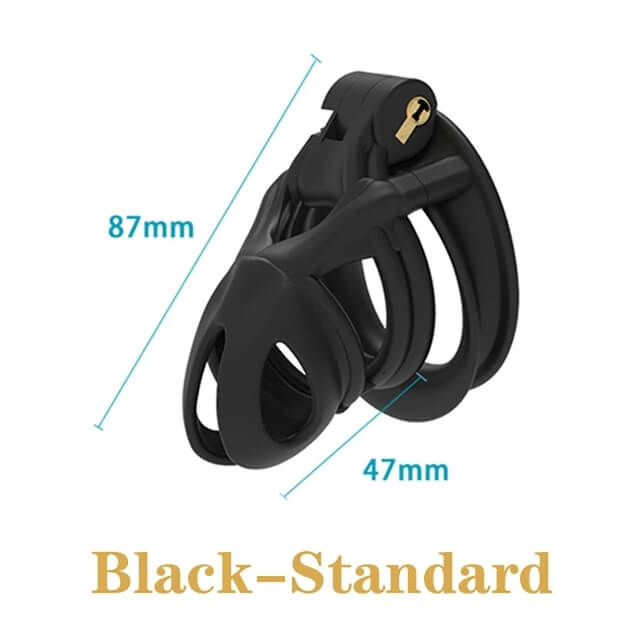
The documented baseline you are switching from: Read the steel candidate’s care text against the kit you are leaving: the Viper V7.0 EVO documents its full configuration — four rings at 38/43/48/52 mm, lock with two keys, safety pin — so every care row and dimension your resin era proved has a stated number for the steel listing to be compared against. Check: seller care text is the maker’s own claim, not an independent test; the comparison stays on documented rows.

Choose for the documented differences
Buy the steel kit whose documentation answers your switch: stated dimensions on its own chart, the ring package shape that matches your certainty, care limits per component, and lock/key counts in writing. Resin-era habits serve here — you already know to read package lists and save care texts; point those habits at the steel listings and the decision makes itself on rows rather than on shine.
And keep the resin kit labeled and stored after the switch. Steel in winter, resin in heat, the log remembering what each material taught you: a two-kit drawer run on records is worth more than either material alone.
Flat & Small Chastity Cage Set
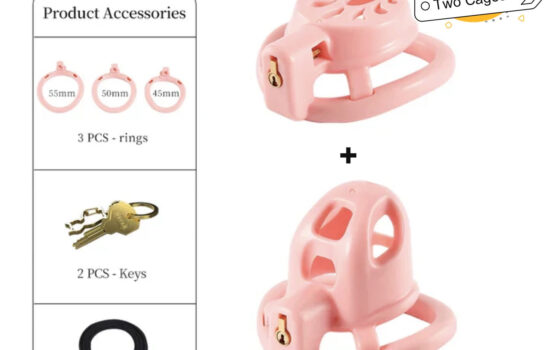
And the documented-differences habit in kit form: The Flat & Small Set shows what choosing on documented rows looks like: two bodies, three rings, two keys and a belt all stated in the package list — the same reading discipline the steel switch needs, applied to a complete resin set you can verify line by line. Check: its stated contents are the unboxing checklist; the same habit protects the steel order.

Resin-to-steel rewards the habits you already have: rechecked dimensions, package lists read as contracts, care texts saved before the first wash. Choose the ring package that matches how settled your size is, learn where the new material splits its care routine, and keep the resin kit in its labeled pouch. The weight arrives as data on day one — collect it, and the steel decision finishes proving itself.
This guide includes promotional links to ChastityCage.co. To compare steel kits, browse metal chastity cages at ChastityCage.co.