Replacing a steel chastity setup with resin: separate the weight preference from size, compare complete assemblies, check included rings, label both part sets.
This guide is not medical advice. Stop use if significant pain, numbness, swelling, discoloration or circulation concerns occur.
Steel wearers switch to resin for concrete reasons — weight at the ring, quieter hardware, warmer material — and the switch goes wrong in one predictable way: the weight decision quietly becomes a size decision. Keep them separate and the transition is routine.
This guide walks the steel-to-resin switch using a documented resin kit as the destination example. The reverse direction is covered in the resin-to-steel guide; the material rows are in the metal-versus-plastic comparison.
Separate weight preference from size choice
Your steel setup proved two different facts: that you prefer lighter, quieter hardware, and that your ring size is whatever it is. The resin kit changes the first fact and must respect the second. Weight perception also shifts with material mix — a resin kit with metal rings keeps some steel-era heft — so read the destination kit’s component list, not just its headline material.
Write both decisions down separately: “switching for weight and sound” and “ring size stays as measured until a remeasure says otherwise.” Two sentences, no drift between them, and the resin order writes itself.
Compare the entire assembly
Steel-to-resin comparisons fail when they compare cage to cage. Compare the complete assemblies: your steel body plus its ring and lock against the resin kit’s body plus its rings and lock. Resin kits distribute weight differently — lighter shell, and depending on the kit, metal rings and lock still contributing where the load sits. The honest comparison is assembled weight and how it loads the ring, from each kit’s stated components.
Also compare care rows: resin brings its own cleaning limits (heat, solvents) that steel never imposed. The switch trades some care simplicity for the weight and quiet you are buying.
Check the resin kit’s included rings
The resin kit’s ring set is its own fitting system: stated sizes, its own connector standard, its own lock pairing. Verify the included range brackets your proven ring size before ordering, and read how many rings ship — a four-ring resin kit re-runs your fitting experiment in the new material, which some switchers want and others skip by knowing their size exactly.
Do not carry steel-era assumptions about ring behavior into the resin kit: the same millimeter on a different connector, gap and shell can sit differently. Keep the number, re-run the short fit test, update the log.
The Viper Chastity Cage V7.0 EVO
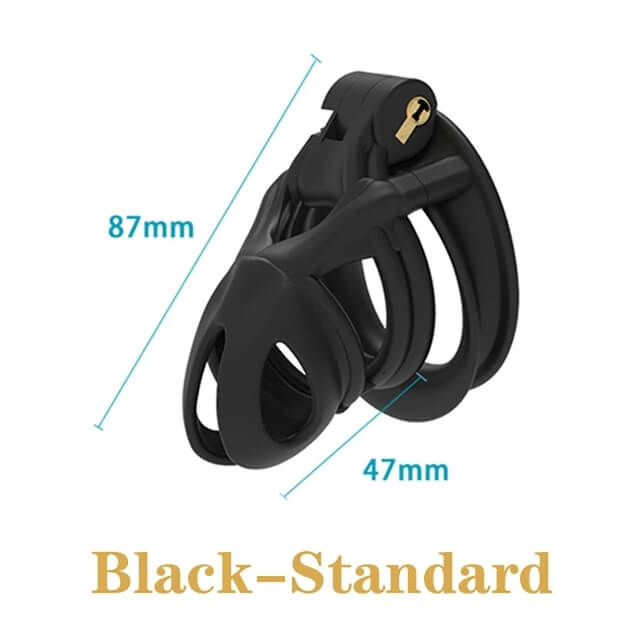
The documented resin destination: As a resin destination, the Viper V7.0 EVO documents the rows a steel switcher needs: four included rings at 38/43/48/52 mm, a lock with two keys, a safety pin, and a lightweight nylon-resin body whose complete assembled weight is the number to compare against your steel setup. Check: your proven ring size must sit inside 38–52 mm before the weight argument counts.

Keep the old and new parts labeled
Two kits means two part systems, and steel-to-resin is where cross-contamination temptation peaks — the parts look nothing alike, which creates false confidence that they could never be confused. Label both pouches, keep rings matched to their own kit, and record the switch in your kit pages: what left active service, what replaced it, and why.
The steel kit does not become waste at the switch. Stored clean and dry with its record, it remains the alternative your log can return to — resin in summer, steel when you miss the weight, decided by data instead of by whichever pouch is closer.
Flat & Small Chastity Cage Set
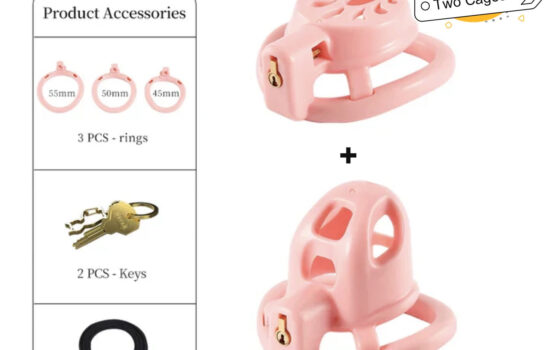
And the resin set that keeps a support layer in the box: The Flat & Small Set makes the resin switch with two ABS bodies, three rings and a belt included — a materially lighter daily assembly than a steel setup, with the belt already in the package rather than on a future order. Check: two bodies means two washing surfaces per swap; the simplicity trade is real and worth logging.

Weight and maintenance are reasons to switch; size is the reason to check first. Keep the two decisions in separate sentences, compare complete assemblies, verify the resin kit’s included ring range, and label both part systems from day one. The steel kit will wait in its pouch — and the log will tell you when, or whether, it comes back out.
This guide includes promotional links to ChastityCage.co. To compare resin destinations, browse plastic chastity cages at ChastityCage.co.
Related ChastityNow guides
- Choosing a second chastity cage
- Metal vs plastic chastity cage