A criteria-led comparison of metal and plastic cages that separates material trade-offs from the fit and shape of a specific device.
This guide is not medical advice. Stop use if significant pain, numbness, swelling, discoloration or circulation concerns occur.
The useful question is not which material wins in the abstract. It is which complete design supports the wearer’s real cleaning, clothing, movement and removal routine without creating pressure or hidden maintenance problems.
Metal and plastic at a glance
| Criterion | Metal | Plastic or resin |
|---|---|---|
| Weight | Often heavier; verify the whole assembly | Usually lighter, but locks and pins still add weight |
| Rigidity | Stable geometry transfers force directly | Rigid polymer can flex slightly or remain very firm |
| Cleaning access | Open bars may expose more surface | Solid shells need adequate vents and removal access |
| Noise and discretion | Locks and joints can click; shine may show | Often quieter and easier to keep low profile |
| Finish risks | Inspect welds, coatings and alloy evidence | Inspect print layers, seams, cracks and deformation |
Start with the routine, not the label
List the hours, clothing, activity, bathroom access and cleaning method that matter. A metal open cage may suit someone who values direct rinse access; a light plastic shell may suit someone who prioritizes quiet movement. The same material can appear in designs that behave very differently.
Fit can reverse the apparent advantage
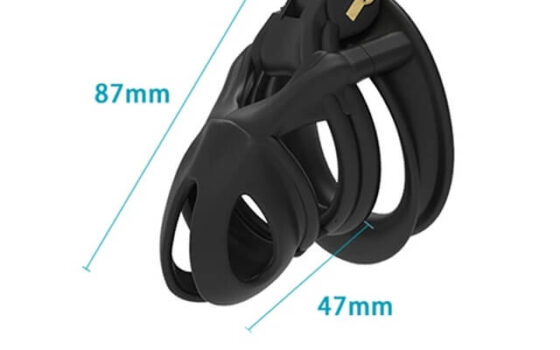
A heavy short cage may sit more steadily than a long light cage that acts as a lever. A plastic cage with an unsuitable internal diameter can create more pressure than a well-sized metal one. Compare internal length, width, ring, gap, curve and connector—not the material name alone.
Cleaning depends on reachable surfaces
Count the surfaces that can actually be washed, inspected and dried. Bar junctions, lock recesses, narrow vents and layer lines deserve attention. Follow the maker’s care limits and remove the device for complete inspection as required.
A practical shortlist test
Keep only devices with clear internal dimensions, documented material, smooth construction, a reliable local release method and a realistic cleaning route. Then compare assembled weight and profile in the intended clothing.
Avoid the common shortcut
Do not assume shiny metal is a verified alloy or that transparent plastic is automatically hygienic. Marketing labels such as “long term” and “body safe” are not substitutes for dimensions, care instructions and careful fit tests.
Verify the complete product evidence
For metal, that evidence means weld close-ups, a stated alloy such as 304 or 316 stainless steel, and the weight of the complete assembly rather than the cage body alone. For plastic or resin, it means the specific polymer, seam or layer-line photos, and heat or chemical limits for cleaning. In both cases demand internal rather than exterior dimensions, and treat a missing fact as a reason to shorten the list, not an invitation to guess.
Use the first tests to challenge the choice
Run the first session unlocked and awake: assemble the device off the body, then sit, walk, use the bathroom and remove it completely. On a metal candidate, listen for lock rattle and feel how the weight loads the ring when standing after sitting. On a plastic one, watch for flex at the seam during bending and check whether the surface retains moisture after drying. A material advantage only counts if it survives this session uneventfully.
Check support, returns and replacement parts
Before either material touches skin, read the hygiene-related return window and check whether rings, spacers and locks can be bought separately — replacing a scratched resin ring or a spare padlock should not require a whole new device. Photograph any defect (a rough weld on metal, a warped layer on resin) before contacting the seller, and never file, drill or heat-treat a component of unknown composition while it is worn.
Continue with the relevant ChastityNow guides
The bottom line
Choose between metal and plastic only after the design passes the same evidence test: clear dimensions, workable cleaning, smooth finish, suitable weight and easy removal. Material changes the trade-offs; it does not replace fit.
This article belongs to the Comparisons library, where the surrounding guides cover the wider topic.