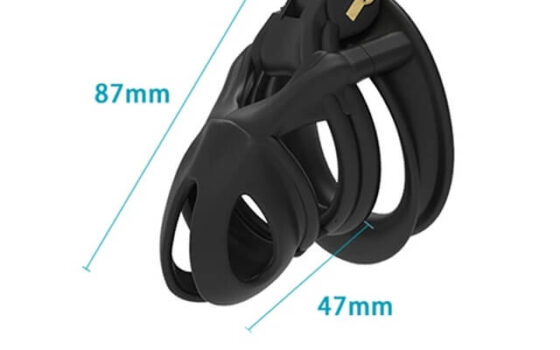
A neutral comparison of base-ring and ringless retention systems, with clear questions about anatomy, setup and emergency removal.
This guide is not medical advice. Stop use if significant pain, numbness, swelling, discoloration or circulation concerns occur.
A product title that says ringless does not reveal how the device stays in place. That missing fact changes sizing, setup, body requirements and removal. Compare complete systems, not the presence or absence of one visible ring.
Ringless vs Ring-Based Designs at a Glance
| Question | Ring-based | Ringless |
|---|---|---|
| Retention | Base ring plus cage and gap | Must be identified from the exact design |
| Sizing | Ring, gap, length and width | System-specific measurements |
| Setup | Assembly around a base ring | May require belt, piercing or other support |
| Emergency removal | Key and normal disassembly | Depends on all retention components |
How Each Retention Method Works
A ring-based system retains tissue between the ring and cage connection. Its stability depends on the complete geometry.
Ringless is an umbrella term. Do not assume it avoids all pressure or has greater security. Identify every component and how it releases.
Sizing and Fit Requirements
Ring-based sizing includes ring diameter or shape, gap, cage length and width. A correct ring does not prove the cage fits.
Alternative systems can require waist, piercing or device-specific measurements. Follow verified maker instructions and qualified professional guidance where a piercing is involved.
Setup and Removal
Assemble and unlock off the body, count keys and confirm the normal removal sequence. Avoid systems that cannot be explained clearly.
Emergency access must release the entire retention method, not only the visible lock. Test while calm and never first during extended wear.
Movement and Daily Stability
A ring-based assembly may rotate or pull when ring and gap are wrong. A ringless system may shift at a belt, adhesive or other support point.
No mechanism guarantees security or comfort. Test sitting, walking and clothing without relying on tightness to stop movement.
Hygiene and Inspection
Compare reachable surfaces, hidden contact points, removal frequency and drying. More components can add cleaning steps.
Remove for complete inspection. Do not assume avoiding a base ring avoids skin or circulation concerns elsewhere.
Limitations and Who May Not Suit Each Type
A person who cannot obtain stable ring-and-gap fit may need a different design, but that does not automatically make a ringless system appropriate.
Piercing-supported devices are unsuitable without an established compatible piercing and professional guidance. Unknown mechanisms should be excluded.
Decision Checklist
- Name the exact retention mechanism.
- Verify all required measurements and body prerequisites.
- Confirm setup, key and emergency disassembly.
- Inspect all contact surfaces and care instructions.
- Test movement and bathroom access privately.
- Reject security or comfort guarantees without evidence.
Compare the Whole Removal Path
Before choosing either system, trace every step from the normal locked state to complete removal. Count the keys, fasteners and body prerequisites involved. A shorter product description does not mean a simpler emergency procedure.
Exclude any design whose retention or release method remains unclear after reading its verified instructions. The safest comparison is the one that can explain both ordinary use and prompt exit without improvisation.
Related ChastityNow guides
- Comparisons library
- the fit guide
- the base-ring sizing guide
- device types explained
- hinged and solid ring trade-offs
Name the Retention Method Before Comparing It
Ringless is too broad to choose from safely. Identify how the exact device stays on, what body prerequisites it has and how the whole system comes off before considering daily use.