A clear introduction to male chastity, including its meaning, common motivations, the role of a cage or keyholder, and the practical limits beginners should understand.
This guide is not medical advice. Stop use if significant pain, numbness, swelling, discoloration or circulation concerns occur.
A useful definition: Male chastity is a voluntary adult practice in which a person limits access to sexual release, sometimes with a wearable device and sometimes through an agreed rule. It can be solo or partnered. The defining ideas are choice, boundaries and the ability to stop—not a particular lock, role or duration.
People often meet the phrase through jokes, product listings or highly theatrical stories. Those fragments make the subject look narrower and more extreme than it is. In practice, male chastity covers a range of adult choices: a short experiment in self-control, a shared form of anticipation, or an ongoing consensual power exchange. A cage can make the agreement tangible, but the device is a tool rather than the meaning of the practice.
This guide gives you the vocabulary and decision points first. If you are already looking for a first-week plan, move next to male chastity for beginners.
What “male chastity” means in everyday use
At its simplest, male chastity means deliberately limiting when the wearer can touch themselves, become fully erect or have an orgasm. The limit may be self-imposed, agreed with a partner, or reinforced by a device. Some adults use the term only for cage-based play; others use it for any negotiated period of sexual restraint.
The word does not automatically imply submission, a female keyholder, a permanent arrangement or continuous wear. Those are possible versions, not requirements. A useful definition should leave room for solo curiosity, equal partnerships and different relationship structures while keeping consent explicit.
Why adults explore it
Motivations vary. Some people enjoy anticipation more than immediate release. Some like a visible commitment to a rule they chose. Couples may use it to create a shared ritual or to make conversations about attention, desire and control more deliberate. Others are simply curious about how a device feels.
None of these outcomes is guaranteed. Chastity is not a treatment for a relationship problem, compulsive behavior or a medical concern. If two people are involved, it works best as an addition to honest communication—not a way to avoid it.
Device-based chastity and agreement-based chastity
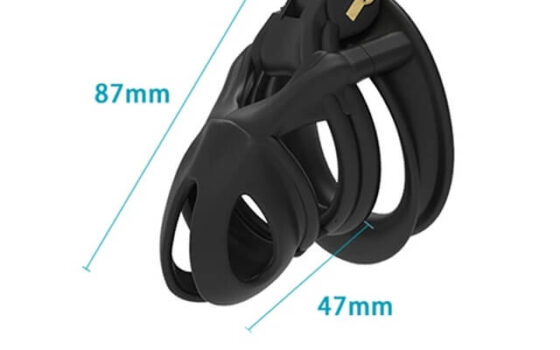
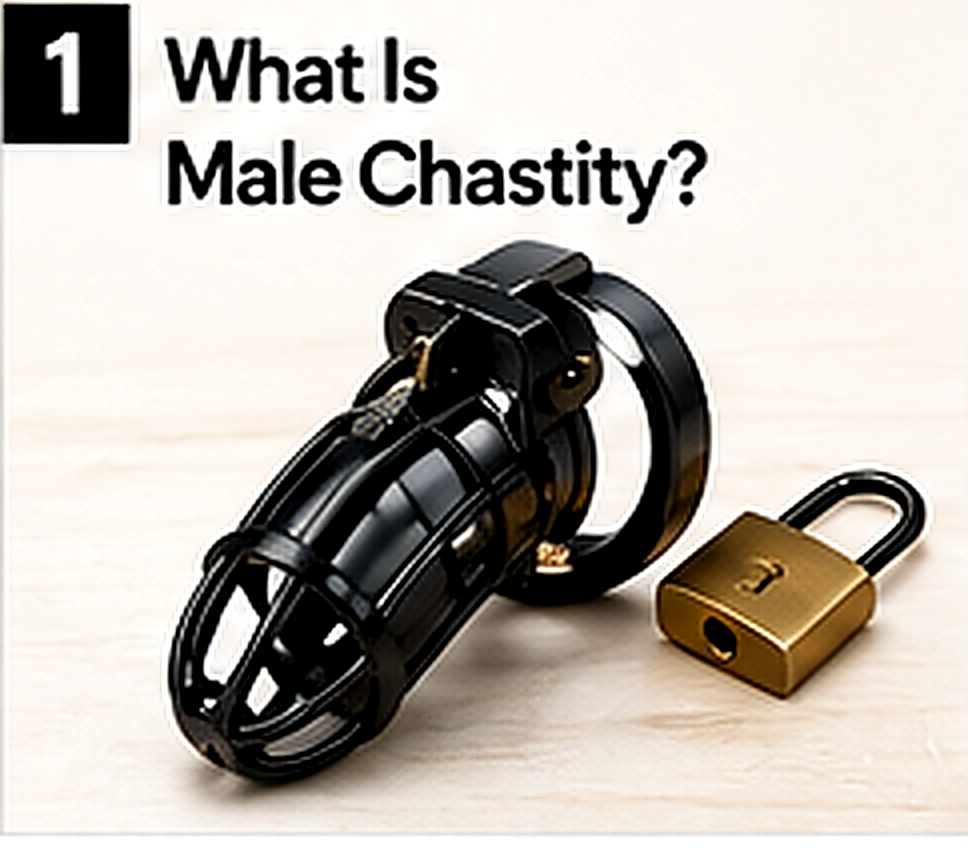
Agreement-based chastity relies on a rule: no release until a chosen time or check-in. Device-based chastity adds a physical reminder and restricts access. Most modern devices use a base ring, a cage or tube, and a lock or integrated connector. The parts and their jobs are explained in what a chastity cage is.
A device does not make consent stronger or the arrangement more “real.” It adds fit, hygiene and emergency-removal responsibilities. A couple can enjoy a meaningful agreement without hardware, and a solo wearer can use hardware without a partner.
Solo practice, partners and keyholders
Solo practice lets a beginner learn practical limits without asking another person to take responsibility. The wearer keeps access to the key and decides when the experiment ends. In a partnered arrangement, one person may hold the key, but that role exists inside an agreement both people can revise.
Handing over a key is not handing over bodily autonomy. Consent must remain specific, ongoing and reversible. The wearer can report a fit problem or stop; the keyholder can decline the role, pause it or renegotiate expectations. A healthy arrangement makes emergency access boringly clear.
What beginners should prioritize
- Clarity: decide whether the goal is curiosity, a short shared experience or a longer routine.
- Fit: measure before buying and treat the first configuration as a test, not a verdict.
- Short trials: learn while awake and able to check the skin.
- Removal access: keep the correct key or release method available.
- Communication: agree what ends the session immediately and what can wait for a normal check-in.
When you are ready to compare devices, choose a chastity cage by fit, material, profile and real routine rather than appearance alone.
What male chastity is not
It is not a test of pain tolerance, proof of devotion or permission to ignore the body. It does not require a dramatic identity or an escalating schedule. It should never be used to pressure a reluctant partner, punish someone outside an agreed scene, or make access to basic hygiene and urgent removal conditional.
The most sustainable version is often modest: a clear reason, a comfortable setup, predictable reviews and no shame about stopping. That foundation leaves room for play without turning discomfort into a goal.
Questions that help you place your own interest
Ask what part of chastity interests you when the device is removed from the picture. Is it anticipation, a promise, a shared ritual, the visible key, or the practical restriction? Then ask what you do not want. These two lists keep a broad curiosity from becoming an accidental package of roles and rules.
Also separate a private fantasy from an action you want now. A fantasy can remain imaginative and intense; a first real experiment should be modest and reversible. That distinction gives a partner room to engage honestly and gives a solo wearer room to learn without performing an identity.
Terms beginners often blur together
Chastity describes the broader chosen limit. A chastity cage is one possible tool. A keyholder is an agreed role, not a requirement. Denial describes delayed or restricted release, while training refers to a repeated routine. Keeping those terms separate protects the distinct questions each later guide answers.
For definitions, equipment basics and first-session planning, use the Getting Started hub as the wider reading path.
What it is—and what it is not
| Term | What it describes | What it does not automatically mean |
|---|---|---|
| Male chastity | A voluntary structure around sexual access or release | A cage, submission or continuous wear |
| Chastity cage | One physical tool that restricts access | The meaning of the agreement |
| Keyholder | An agreed role managing normal key access | Ownership of the wearer’s body |
| Denial | Delayed or restricted release | A fixed duration or relationship style |
| Training | A repeatable routine built through review | Pain endurance or automatic escalation |
This separation matters because a reader asking for a definition should not be pushed straight into equipment or a schedule. For orientation and expectations, continue to male chastity for beginners. For the hardware itself, read what a chastity cage is.
Use the definition as a filter
Male chastity is best understood as a chosen structure around sexual access, not as a single device or stereotype. Start with language, consent and practical limits. Then learn the hardware at your own pace. The goal of a first experiment is useful information—not endurance.