Why an emergency key is a safety tool, who should access it, where it can be stored and how to test the removal plan before relying on it.
This guide is not medical advice. Stop use if significant pain, numbness, swelling, discoloration or circulation concerns occur.
A key plan has to work when a phone is dead, a partner is asleep, travel changes or a physical warning sign appears. Decide who can reach the spare, how it is stored and when it may be used before the cage goes on. The symbolic value of surrendering a key never outweighs the wearer’s ability to remove the device promptly.
An Emergency Key Is a Safety Tool, Not a Failure
The spare exists because ordinary systems fail. Keys are lost, locks jam, plans change and bodies react differently over time. Treating access as a moral test encourages delay exactly when a calm response is needed.
The agreement can preserve symbolism through a sealed envelope or recorded container, but breaking a seal must remain acceptable whenever removal is needed. The review happens afterward; access is never conditional on proving that an emergency is serious enough.
Who Should Be Able to Access It?
The wearer should have direct access or a reliable local person who can respond immediately. A partner may hold the normal key, yet distance, work and sleep make that person unsuitable as the only emergency route.
If a trusted local person is involved, tell them only what they need to know and obtain their consent to the role. Do not assume a roommate, hotel employee or emergency service will manage a private device discreetly.
Storage Options and Their Trade-Offs
Choose the least complicated method that remains dependable in the actual setting.
| Method | Advantage | Risk to solve |
|---|---|---|
| Sealed envelope | Simple and visibly opened | Must stay dry, private and reachable |
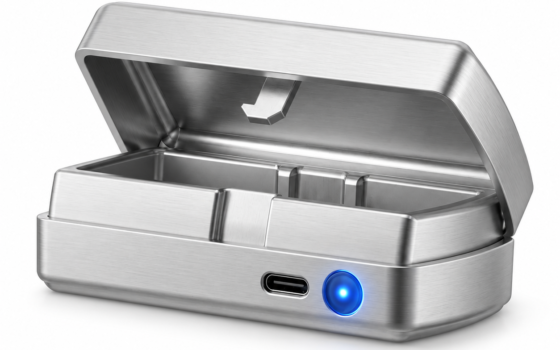
| Small lockbox | Protects against casual access | Code, battery or mechanism can fail |
| Trusted local holder | Adds a human backup | Availability and privacy must be confirmed |
| On-person spare | Fastest access | Needs discreet, secure storage |
Emergency Access in Long-Distance Arrangements
Remote keyholding still requires a key near the wearer. A code held by the keyholder can preserve ritual only if the wearer also has an independent emergency route. Internet access, a time zone and another person’s judgement cannot be prerequisites for removal.
Plan for travel, lost phones and a relationship ending unexpectedly. The wearer must be able to regain control without shipping delays or digital account access. Long-distance trust is strengthened by a robust fallback, not by engineered helplessness.
When the Emergency Key Should Be Used
The list is not exhaustive. The wearer does not need to wait for permission when removal is necessary.
- Pain, numbness, swelling or unusual colour or temperature.
- Broken skin, trapped tissue or difficulty urinating.
- A damaged lock, lost normal key or device that cannot be removed as planned.
- Unexpected medical, work, travel, security or privacy requirements.
- Withdrawal of consent or any situation where continued wear is no longer acceptable.
Test the Plan Before Relying on It
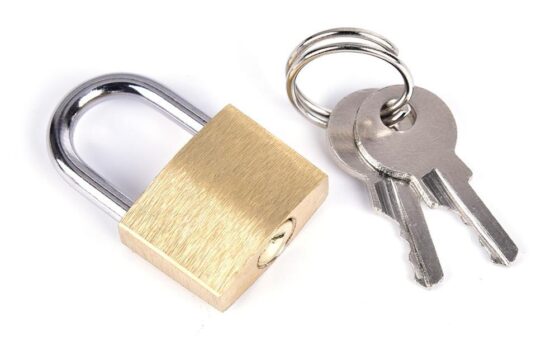
Confirm that the spare opens the exact lock, that every person knows the storage location and that the container can be opened without unavailable tools. Run the test while calm and off the body.
Recheck after changing a lock, travelling or moving the container. A photo of a key proves little if the key has never been tried. Record only the information needed to recover access; avoid creating a public or trail of private details.
What to Review After Emergency Removal
Address the immediate reason first. Clean and inspect the device, allow the body to return to baseline and seek qualified care for severe, persistent or worsening symptoms. Do not re-lock automatically.
Later, ask whether the storage method worked, whether communication added delay and whether the rule needs changing. Emergency use should not trigger punishment. It provides evidence that the plan or circumstances changed.
Related ChastityNow guides
- Keyholding library
- chastity safety basics
- the keyholder role and responsibilities
- practical keyholder rules
- the remove-first swelling guide
A Reliable Spare Protects the Whole Agreement
The strongest plan is boring: one tested key, a known local location and clear permission to use it. Accountability can be reviewed after removal, but it must never be built by making access uncertain.