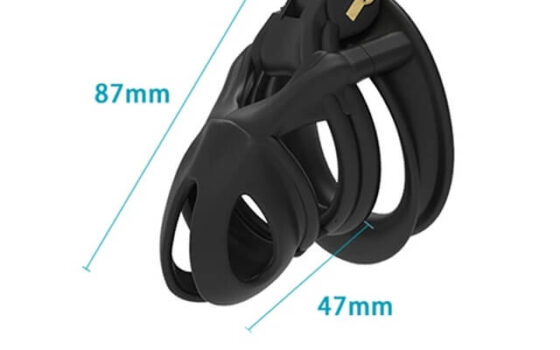
An editorial guide to the practical advantages and drawbacks of metal cages, including construction checks and routine fit testing.
This guide is not medical advice. Stop use if significant pain, numbness, swelling, discoloration or circulation concerns occur.
Metal appeals for reasons that are both practical and symbolic. It can feel solid, look precise and resist flexing. That rigidity makes fit information clearer—but it also means a poor angle or rough weld is less forgiving.
Compare metal with plastic and resin and silicone designs before treating durability as the only criterion.
What metal changes
Rigid bars hold their geometry during movement. Open construction can improve airflow and make rinsing easier. Metal is also typically heavier than resin or silicone, and a longer cage multiplies the pull felt at the base ring.
The combination of weight and length matters more than either number alone. A compact metal cage may feel more stable than a long lightweight design, but only a body-specific test can decide.
Inspect material and finish
Look for a stated alloy rather than “metal” alone. Check every weld, bar end, drainage opening and locking post. Chrome-plated unknown alloys and low-quality coatings can chip or expose rough surfaces. If you have a known metal sensitivity, do not rely on an unsupported hypoallergenic claim.
Do not wear a cage with corrosion, flaking, sharp welds or a lock that sheds debris.
Fit and weight management
Start with accurate ring, length, width and gap measurements. Test the ring alone, then the full cage unlocked. Observe downward pull while walking and pressure while sitting. Supportive, breathable underwear may reduce movement, but it should not be used to hide a painful fit.
Review the whole assembly with the fit checklist, especially before sleep or work.
Hygiene: open does not mean automatic
Open bars allow water and a soft brush to reach more surfaces, yet residue can collect around welds, ring contact points and the lock. Remove the device for regular complete cleaning, rinse away soap and dry the metal and skin fully.
Follow maker instructions before boiling, dishwashing or using chemicals. A method tolerated by stainless steel may damage a lock, coating, adhesive or mixed-material component.
Noise, temperature and privacy
Padlocks and loose connectors can click against bars. Integrated locks are often quieter. Metal initially reflects room temperature and can feel cold; extreme temperature exposure is not a fitting method. Under clothing, weight and outline may be more noticeable than surface shine suggests.
Test ordinary walking and seating in private before assuming the design suits a workplace or shared environment.
Who may prefer another material
A beginner still learning ring size may prefer a lighter multi-option kit. Someone sensitive to weight, noise or cold may prefer resin. A person who needs softer contact may explore flexible designs, while recognizing their different stability and cleaning needs.
Material preference is not a progression from “beginner” to “serious.” It is a practical match between device and routine.
Metal cage checklist
- Specific alloy and care instructions are stated.
- Welds, edges and bar ends are smooth.
- Internal dimensions are complete.
- Weight is disclosed or can be measured.
- The lock stays clear of contact points.
- All components can be dried fully.
- A working emergency key is accessible.
Material caution: Remove for pain, numbness, swelling, unusual discoloration or coldness, broken skin, trapped tissue or difficulty urinating. Weight should never be countered with a dangerously tight ring. Seek medical help for severe or persistent symptoms. This guide is educational only.
Check the complete assembly weight
Sellers may list the cage body without the ring and lock. Weigh or request the full configuration you will wear. A few extra components can change pull and noise, especially on a longer design.
Watch how the weight transfers during stairs and chair transitions. A base ring that is comfortable while standing may feel different when the cage swings forward.
Do not assume every shiny metal is the same
Polishing can hide the difference between a documented stainless alloy, plated metal and an unknown composition. Ask for the exact material and whether any coating contacts skin. When evidence is absent, caution is more useful than a confident “hypoallergenic” label.
The Chastity Cages hub keeps material, profile, taxonomy and selection questions in separate guides.
Sources and material limits
- Planned Parenthood: sex toys and safer care — recommends following product directions and identifies documented, non-porous materials as easier to keep clean.
- NHS: contact dermatitis — notes that some metals, including nickel, can trigger allergic contact dermatitis in susceptible people.
“Metal” alone does not identify an alloy, coating, weld material or surface finish. Ask the maker for the exact specification before making skin-safety claims.
When metal is the right trade-off
Metal offers rigidity, durability and often excellent access for cleaning. Its benefits arrive with real weight and zero forgiveness for poor finishing. Choose by documented construction and a complete movement test, not by the promise of permanence.
Surface Marks on Metal: Add an Inspection Checklist
Metal surfaces tell their history in marks, and most marks are maintenance information, not emergencies. The inspection checklist, off-body, in good light: polishing swirls (cosmetic, stable), contact shine at the ring path (normal wear), shallow scratches (monitor), discoloration at crevices (clean and re-check), and — the action items — pitting, flaking at a coating edge, or corrosion blooms at junctions. Those three change the plan: document with photos and contact the seller; do not wear hardware whose surface is actively degrading at a contact zone.
Two boundaries this checklist keeps: no remote diagnosis — a persistent skin reaction belongs with a qualified professional, not with a longer look at the metal; and no swap-as-treatment — replacing hardware is for degraded hardware, not a remedy for skin symptoms, which resolve by removing the irritant and seeking care if they persist.