What a keyholder does
Possible responsibilities, what the role does not imply and how authority stays inside the agreement.
A grounded guide to the keyholder role, shared responsibilities, workable rules and sustainable communication.
A keyholder may manage access, timing or agreed rules, but the role does not remove responsibility for consent, wellbeing or communication. Good keyholding is defined by clarity and reliability, not by unpredictability alone.
This section focuses on how the role works in practice. General relationship communication belongs in the Relationships hub; Femdom-specific power exchange has its own channel so that keyholding is not presented as one fixed dynamic.
Each topic below opens the detailed guides for that question.
Possible responsibilities, what the role does not imply and how authority stays inside the agreement.
Designing simple, understandable rules that support the shared goal instead of creating confusion.
Routine communication, planned access and how to respond promptly when comfort or health changes.
Where a spare key or removal method belongs and why emergency planning is not a failure of the dynamic.
Trust, privacy, verification limits and realistic expectations when partners are apart.
Starting without pretending expertise, asking useful questions and developing a style gradually.
The newest guides in this channel, updated automatically.
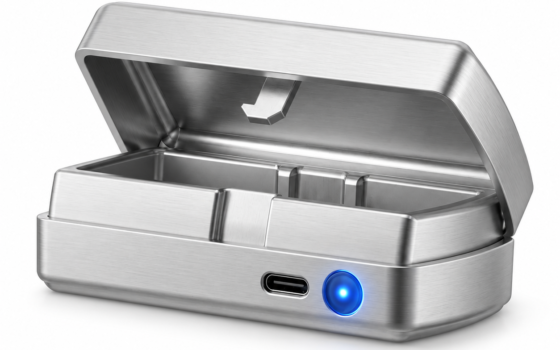
Before moving the key-box app to a new phone: read the maker's migration steps, keep recovery access independent, confirm supported OS, and re-pair with…
Use your own authorized account for a smart key box: chosen ownership, no shared passwords, maker-supported sharing controls, consensual and revocable.
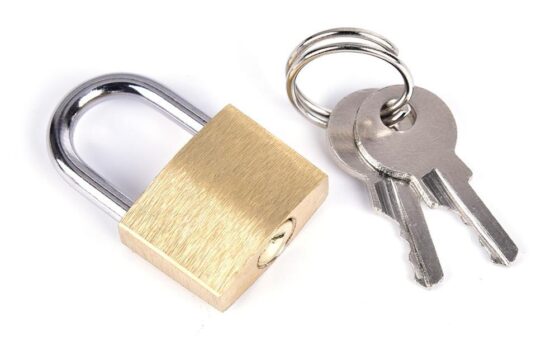
Label chastity cage keys by the lock they open — never by the wearer. Neutral tags, coded storage, and a private matching record held…
Buy a smart key box without assuming a subscription: check each model's service requirements, separate hardware from recurring costs, read offline limits.
Before pairing a smart key box: decide account ownership, check what permissions a partner can receive, test revocation — and save the help pages.
Smart key box battery claims decoded: standby vs active use, stated charging requirements, documented low-power behavior — no borrowed numbers between models.
Short answers to the questions readers ask most, with links to the detailed guides.
Responsibilities depend on the agreement, but commonly include reliable communication, respecting limits, responding to safety concerns and managing access as promised.
Emergency access should still exist. How it is stored can preserve the agreed dynamic without making safe removal impossible.
Yes, but it relies more heavily on trust, realistic check-ins and privacy. Technology cannot remove the need for local emergency access.
Contextual links connect adjacent questions without turning every page into a list of all thirteen hubs.
Consent-led guidance for discussing chastity, setting expectations and keeping trust and communication central.
Open channel →PracticeBuild a realistic practice through gradual progression, useful routines, clear limits and honest review.
Open channel →Special interestA focused, consent-led look at how chastity may fit within Femdom power exchange without defining every relationship by the same script.
Open channel →