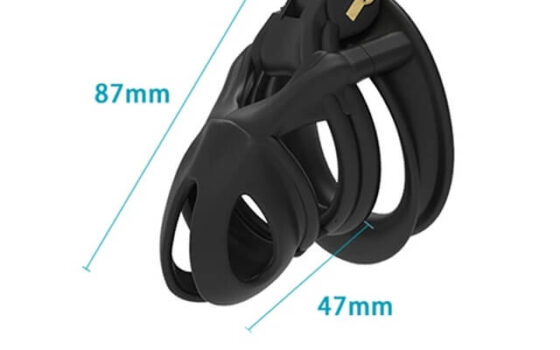
A diameter-specific guide that explains internal width, shape and fit without repeating the complete measuring process.
This guide is not medical advice. Stop use if significant pain, numbness, swelling, discoloration or circulation concerns occur.
Two listings can show the same diameter while offering different usable space. A circular tube, oval cage and tapered front distribute room differently.
Read the pattern before changing the size
A suitable diameter supports the relaxed body without loose lateral movement or continuous compression. Extra width can allow rubbing and bunching; too little can create pressure, misalignment and difficult cleaning. Judge the complete pattern, not a single number.
Common causes and the first check
| Possible cause | What to inspect |
|---|---|
| External measurement used | Confirm the seller states internal diameter or internal width. |
| Shape mismatch | Compare the cross-section, curve and narrowest point. |
| Unstable movement | Check length, ring and gap before blaming diameter alone. |
| Front misalignment | Check whether the opening remains naturally aligned without forcing. |
Use a one-change troubleshooting sequence
- Repeat relaxed circumference measurements and convert carefully.
- Compare the result with the narrowest usable internal width.
- Inspect whether taper or bars reduce space at specific points.
- Test unlocked while sitting, walking and using the bathroom.
- Keep the diameter only if sensation, colour and skin remain normal.
Record the exact ring, cage, spacer or gap, clothing and activity. Change one variable, then repeat a short waking test. If several dimensions change together, the result cannot tell you which change helped.
What not to treat as an adjustment period
Persistent compression, numbness, coldness, discoloration, swelling, sharp pressure or tissue forced through openings are stop signs. A “snug” marketing claim does not make them acceptable.
Retest in the position that exposed the problem
Use the same ring, gap and length while changing only internal width when possible. Otherwise record every changed component so the result is not attributed to diameter without evidence.
Check the neighboring variables
A ring, cage body, gap and lock operate as one assembly. A symptom at one point may be amplified by weight, length, posture or clothing elsewhere. Before buying another size, confirm which component moved and which component carried pressure. Testing the ring alone, assembling the device off the body and comparing standing with seated posture can prevent a correction aimed at the wrong part.
Know when the design is the wrong match
Repeatedly adding tighter clothing, more lubricant or smaller hardware can hide rather than solve a geometry problem. If the same issue returns after one careful correction, or if safe stability would require constriction, stop using that configuration. A different ring shape, connector, cage profile or complete device may be more appropriate than continued adjustment. Keep the decision evidence-based: note what was worn, what happened, what changed and whether the result repeated.
Describe the issue clearly if you need help
Useful notes include the exact location, onset, posture, device configuration and what changed after removal. Separate what you observed from what you think caused it. A seller can clarify dimensions or hardware, while a qualified health professional is the appropriate person for persistent symptoms or uncertainty about an injury. Neither should be asked to approve continued wear while a warning sign is active.
Continue with the relevant ChastityNow guides
The bottom line
Diameter is the usable internal space created by both number and shape. Measure calmly, read the narrowest point and confirm the choice through normal movement and function.
This article belongs to the Fit Comfort library, where the surrounding guides cover the wider topic.
Length and Diameter Are Separate Choices
A recurring sizing confusion deserves its own signpost: cage length and ring diameter are independent axes, ordered from separate measurements, and neither constrains the other’s choice. Length comes from your relaxed usable measurement matched against a listing’s internal-length rows; diameter comes from your base-path circumference converted per the ring-size method. A short cage on a large ring is a legitimate configuration; so is the reverse.
Kits make the independence visible: the Flat & Small Set’s bodies (two lengths of silhouette) hang on the same three rings — the ring row constant while the length row changes. When a listing or a forum folds the two numbers into one (“size up!”), unfold them: which axis, measured how, changed by how much. The two-axis habit prevents the most common combo-error in this category: buying length to fix a ring problem.
Flat & Small Chastity Cage Set
The Flat & Small Set includes two cage shapes, three rings, two keys and an adjustable support belt. Choose it when you would rather compare a flat and a small shape within one package than order two separate kits. Pink and Black are separate color choices.