A device-selection checklist focused on cleanability, distinct from the step-by-step hygiene routine.
This guide is not medical advice. Stop use if significant pain, numbness, swelling, discoloration or circulation concerns occur.
Cleanability is a design property that can be checked before purchase. The useful question is whether residue and moisture can be removed and verified, both while worn and after removal.
Cleaning design at a glance
| Criterion | Easier maintenance | Hidden maintenance cost |
|---|---|---|
| Access | Large reachable openings or removable sections | Narrow blind cavities |
| Finish | Smooth sealed surfaces and joints | Rough layers, deep seams or damaged coating |
| Drainage | Water can leave every low point | Pools around lock or tip |
| Disassembly | Parts separate without damage | Complex parts trap residue |
| Care evidence | Clear material-specific instructions | “Washable” without method or limits |
Start with the routine, not the label
Compare the design with the actual bathroom, tools and privacy available. A device may be easy to rinse but difficult to dry or inspect; the complete routine decides usability.
Fit can reverse the apparent advantage
Even a cleanable cage becomes harder to maintain when too tight to access or when movement creates irritated contact areas. Fit and hygiene cannot be evaluated independently.
Cleaning depends on reachable surfaces
Inspect bar junctions, print layers, hinges, locks, coatings and vents. Confirm whether the material tolerates soap, heat or other methods before using them.
A practical shortlist test
Choose only designs whose surfaces can be reached, rinsed, dried and visually checked. Plan regular removal rather than assuming in-place access eliminates it.
Avoid the common shortcut
Do not claim a design prevents infection or can be worn continuously because it has vents. Cleanability supports hygiene; it does not remove the need for body checks and recovery.
Verify the complete product evidence
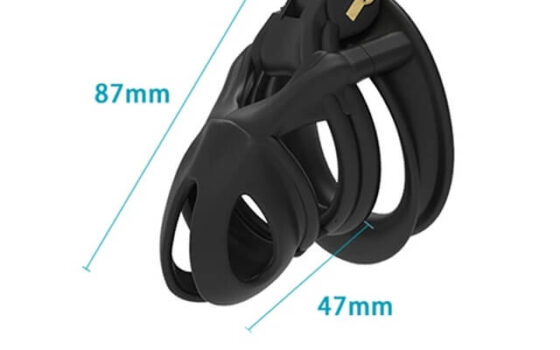
Look for internal rather than exterior dimensions, the assembled weight, the narrowest usable space, ring and gap options, exact material, care instructions and a clear removal method. Product photos can show shape but rarely prove scale, finish or daily fit. When a listing omits a decision-critical fact, ask the seller or remove that design from the shortlist instead of filling the gap with an assumption.
Use the first tests to challenge the choice
Assemble and unlock the device off the body, then run an unlocked fit and short waking session. Include sitting, walking, bathroom alignment, cleaning and complete removal. The purpose is to look for reasons the design may not suit the wearer, not to confirm a purchase emotionally. Record pressure, movement, noise, drying and skin recovery. Only a repeatable, uneventful result supports another test.
Check support, returns and replacement parts
Read hygiene-related return limits before body contact and confirm whether rings, spacers, locks or other fit-critical parts are available separately. Clear technical support can matter more than a long feature list. Photograph a manufacturing defect before attempting any repair, and do not modify an unknown material or locking component while it is worn.
Continue with the relevant ChastityNow guides
The bottom line
An easy-to-clean cage makes every surface reachable and every wet area dryable. Evaluate access, finish, drainage, disassembly and care instructions before trusting a hygiene claim.
This article belongs to the Chastity Cages library, where the surrounding guides cover the wider topic.