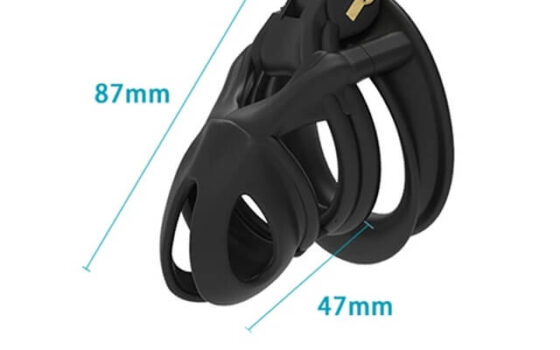
A cross-material guide to weight and bulk that keeps lightweight claims separate from comfort and durability claims.
This guide is not medical advice. Stop use if significant pain, numbness, swelling, discoloration or circulation concerns occur.
Weight and bulk are related but different. A wide light cage may show more under clothing, while a compact heavier cage may sit close and move less.
What changes the complete feel
| Criterion | Lower weight and leverage | Hidden bulk or trade-off |
|---|---|---|
| Material volume | Thin, well-supported construction | Large shell despite light material |
| Length | Shorter lever from the body | Long body amplifies pull |
| Lock and ring | Compact integrated hardware | Heavy padlock or oversized connector |
| Profile | Close to the body | Wide or projecting form |
| Durability evidence | Documented care and inspection | Thinness without strength information |
Start with the routine, not the label
Someone who walks or works at a desk may value less pull; someone who needs very open cleaning access may accept more metal weight. Match the trade-off to actual movement and maintenance.
Fit can reverse the apparent advantage
Low weight cannot repair poor diameter, length or gap. An unstable light cage may rub more than a stable heavier one. Test movement rather than assuming the scale decides comfort.
Cleaning depends on reachable surfaces
Light polymers may have print layers, seams or heat limits; lightweight metal can use thinner bars and more joints. Inspect and follow exact care information.
A practical shortlist test
Request or measure complete assembled weight, compare length and lock projection, then verify dimensions and removal. Test the device in real clothing for movement and noise.
Avoid the common shortcut
Do not translate “lightweight” into “safe for long term” or “comfortable.” Those are separate conclusions that require fit, cleaning and wear evidence.
Verify the complete product evidence
For a weight-led decision, the single most important number is the complete assembled weight — cage, ring and lock together — not the body alone. Put it beside internal rather than exterior dimensions and the narrowest usable space: a 20 g saving means little if the shorter lever comes from a cage that is too small for the wearer. If a “lightweight” listing omits assembled weight, ask for it or drop the design; the claim is unverifiable without the number.
Use the first tests to challenge the choice
Test the weight claim on the body, not on the scale: assemble the device unlocked and walk, sit and climb stairs. A genuinely light build should reduce swing at the ring during quick steps and stay quiet in a seated shift; if the ring still drags by afternoon, the problem is leverage or length, not grams. Record noise, drying time and skin recovery after removal the same day.
Check support, returns and replacement parts
Weight-reducing builds use thin walls and compact hardware, which makes spare parts matter more: check the return window before body contact and whether rings, spacers or locks are sold separately. Photograph any crack at a thin section or hinge before contacting the seller, and never drill or trim a lightweight component to shave more grams while it is worn.
A lower listed weight can reduce bulk, but balance, ring shape and movement matter just as much once the device is worn. Readers who have already checked their measurements can compare plastic and resin cage designs and review each listing’s published dimensions, assembled weight, materials and construction details.
Continue with the relevant ChastityNow guides
The bottom line
Judge lightweight cages as complete assemblies. Material, volume, length, ring and lock all shape the pull and profile, while fit and maintenance still determine suitability.
This article belongs to the Chastity Cages library, where the surrounding guides cover the wider topic.
Cage Weight vs Complete-Kit Weight
“Lightweight” claims usually quote the cage body alone — and the body is not what hangs on your body. The complete kit’s weight is body plus ring plus lock plus any belt, and hardware can double the figure: aluminum rings and an integrated lock add real grams to a resin kit, and steel’s contribution is structural. Where a listing states weight, check what it weighed; where it states nothing, that row is a seller question, not an assumption.
The practical read: compare complete-assembled weights between candidates, not brochure figures. A light resin body on heavy rings wears heavier than its listing suggested; an all-steel mesh can surprise in the other direction when its structure is open rather than solid. Weigh what ships, if you own it already, and record the number in the kit’s page — your scale is the only listing that cannot mislead you.
Chainmail Steel Chastity Cage
Choose the Chainmail Steel Cage for its open chain-link design and a package with one cage, one selected ring and a lock with two keys. It is a different product from the Adjustable Chainmail model, so choose the ring option on this listing rather than assuming the ring adjusts.