A calm first-conversation framework for defining the keyholder role, everyday logistics, emergency access, privacy and reversible consent.
This guide is not medical advice. Stop use if significant pain, numbness, swelling, discoloration or circulation concerns occur.
“Keyholder” is not a complete job description. One person may imagine simple custody of a key; another may expect rules, messages and orgasm control. The first conversation should expose those differences while it is still easy to say no. Keep the proposed first step small and separate curiosity from a commitment to continue.
Clarify What “Keyholder” Means to Both People
Ask what decisions the keyholder would and would not make. Does the role mean storing a key, choosing normal removal times, setting agreed rules or simply witnessing a self-directed routine? Avoid importing a script from another couple.
Confirm that the potential keyholder actually wants the responsibility. Interest in a partner’s fantasy does not equal consent to constant availability, strict language, photographs or managing health and hygiene decisions.
Discuss Goals and Expectations
Name the underlying interest and the proposed first trial. Explain what would make it meaningful and what success would look like without promising a long duration. Invite the other person’s version rather than asking them to perform yours.
Discuss likely disappointment as well as excitement. Either person may find the role unappealing after trying it. A useful agreement makes that discovery easy to report instead of treating it as a broken promise.
Agree on Wear, Removal and Hygiene
Specify the device, setting, location and maximum context for the first trial. Decide whether sleep, work, travel or exercise are excluded. Agree on cleaning, inspection and ordinary removal rather than relying only on emergencies.
The wearer reports discomfort honestly; the keyholder responds by enabling removal, not testing commitment. New hardware or longer contexts require a new conversation and fit test.
Set Emergency-Access Rules
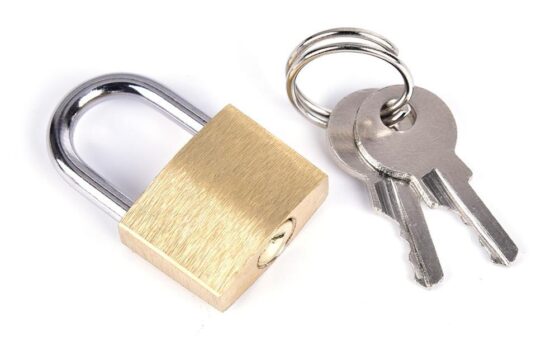
Keep a tested key local to the wearer and define when it may be used without contact. Pain, numbness, swelling, colour or temperature change, broken skin, trapped tissue, urination difficulty and withdrawn consent all justify immediate removal.
If the keyholder lives elsewhere or may be unavailable, the local plan must still work. Tamper evidence may support the ritual but cannot delay opening the device.
Discuss Privacy and Communication
Agree who may know, when messages are welcome and whether any images will be taken. Treat taking, sending, storing and posting as separate permissions. Do not use work devices or assume location proof is part of keyholding.
Choose check-in timing that fits both lives. The arrangement should not require constant surveillance or force intimate replies during work, family time or sleep.
Define How Either Person Can Pause or End the Arrangement
Use ordinary words or a clear signal and agree that either person can use it. Removal follows promptly; discussion and possible resumption come later. No punishment, debt of time or public disclosure should follow a stop.
Also cover the keyholder’s right to end the role. Holding a key is optional emotional labour, and consent applies to both people throughout the arrangement.
Questions to Take Into the Conversation
- What does keyholding mean to each of us?
- What exactly are we trying first?
- What activities and settings are excluded?
- Where are the normal and emergency keys?
- How will we check in and protect privacy?
- How can either person stop, and what happens immediately afterward?
Related ChastityNow guides
- Keyholding library
- male chastity for couples
- talking to a partner without pressure
- what a keyholder is
- rules to agree before locking
Leave With One Small, Clear Next Step
A first conversation succeeds when both people understand the role and can decline it without consequence. If there is a shared yes, choose one limited trial, test the keys and schedule a review. Everything else can wait for real evidence.