Pack a chastity kit as a matched system: labeled parts, deliberate key storage, saved instructions and seller records — plus current official travel guidance.
This guide is not medical advice. Stop use if significant pain, numbness, swelling, discoloration or circulation concerns occur.
Chastity hardware is a small-parts category, which means it disperses. A ring left in a gym bag, a key in last winter’s coat, the care card thrown out with the box — six months later the kit is functionally gone even though every piece still exists somewhere in the house. Packing the kit deliberately prevents that quiet loss.
This guide covers home organization and travel packing: what belongs together, how to label it, what records to keep, and which travel questions need current official answers. For the arrival-side routine, see the unboxing checklist.
Which components belong to the same kit?
Everything the package list named: cage body or bodies, every ring, the lock and both keys, spacers and pins, any belt or strap, and the safety pin if your kit includes one — the Viper kit’s list is the pattern. Parts from different kits do not belong in the same bag even when they look similar; connectors and tolerances are model-specific, and a mixed bag quietly becomes a compatibility hazard.
One kit, one container, one list. A small zip pouch per kit, with a copy of the package list inside, keeps systems separate and complete. The five minutes this takes on delivery day saves the hour of sorting that a mixed parts drawer demands later — and prevents the classic error of wearing a near-identical spacer from the wrong product.
How should loose parts be labelled?
Small zip bags with permanent marker, or a printed parts sheet in the pouch: kit name, part, size. Rings especially — “45 mm” written on the bag beats measuring four identical-looking rings every cleaning session. Photograph the complete disassembled kit once with a ruler in frame (the parts-labeling method), and keep the photo with your size record as the kit’s visual inventory.
Labels survive where memory doesn’t. “The thin one” is a label that expires; “Viper spacer, 4 mm, photo 3” is a label that works when the kit is two years old and the listing has been redesigned twice. Label for the person who has forgotten — because that person is you, next year.
The Viper Chastity Cage V7.0 EVO
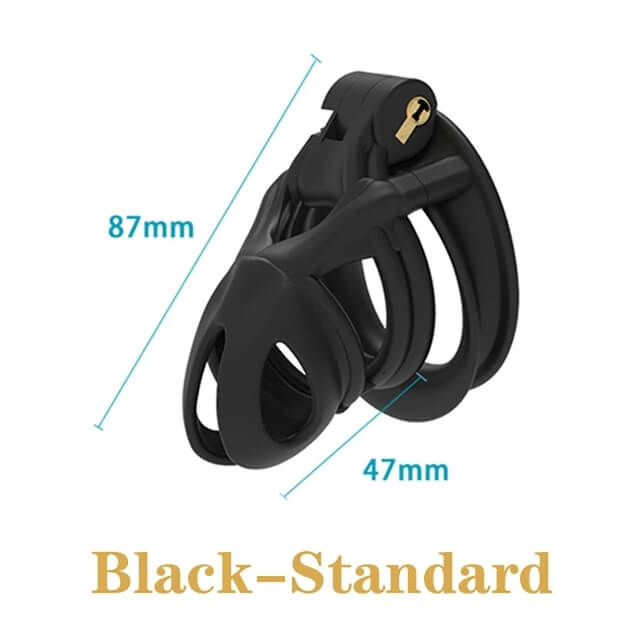
A kit whose package list makes the pouch-labeling job easy — every part named and counted: Choose the Viper V7.0 EVO for a nylon-resin kit with four base rings. One selected cage, a lock with two keys and a safety pin are included, giving you a clear starting set without buying each ring separately. Select the cage size on the product page.

Where should instructions and seller details be saved?
Care instructions belong with the kit (a screenshot or printout in the pouch) and with your records (a digital copy in the same folder as your size record and wear log). Save the seller name, order number and listing URL at purchase time — warranty questions, replacement parts and reorders all start there, and listings change faster than memories.
Add the two contacts that matter in a locked-out emergency: the seller’s support channel, and — if your kit has an integrated lock — the maker’s lock-support route. Written down, in the kit folder, before the first wear. The packing principle is uniform: anything you would need at the worst moment gets saved at the best one.
Which travel questions need current official advice?
Airport security rules for locks, keys and metal hardware are set by authorities and change over time — consult the current guidance of your departure and arrival countries’ security agencies rather than any product page. No cage material or design exempts hardware from screening, and this guide deliberately makes no promises about checkpoints: the rules are the rules, whatever you wear.
Practical packing for any trip: the kit travels in its labeled pouch with its keys, cleaning supplies travel in compliant containers, and your wear plans account for the actual routine at the destination — privacy, cleaning windows, and the option to pause hardware for the travel day itself. Travel is a routine change, and routines are planned before departure, not improvised after it.
One kit, one pouch, one list; labels that outlast memory; records saved before they’re needed; official guidance for official questions. Packing a chastity kit is five minutes of administration that keeps a system complete, compatible and ready — which is the state every other part of this practice assumes.
This guide includes promotional links to ChastityCage.co. For kits that pack as complete systems, browse chastity cage kits at ChastityCage.co.