Will your key fit the QIUI Metal Key Pod? Internal cavity dimensions vs your key's bulkiest profile — measure both before ordering.
This guide is not medical advice. Stop use if significant pain, numbness, swelling, discoloration or circulation concerns occur.
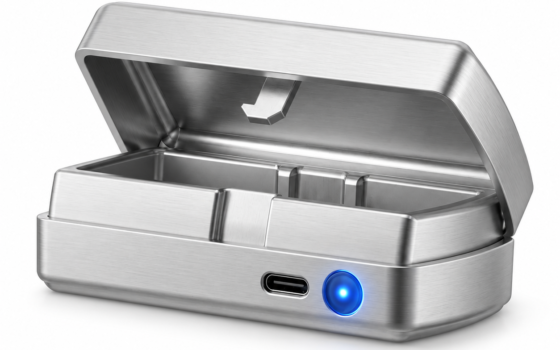
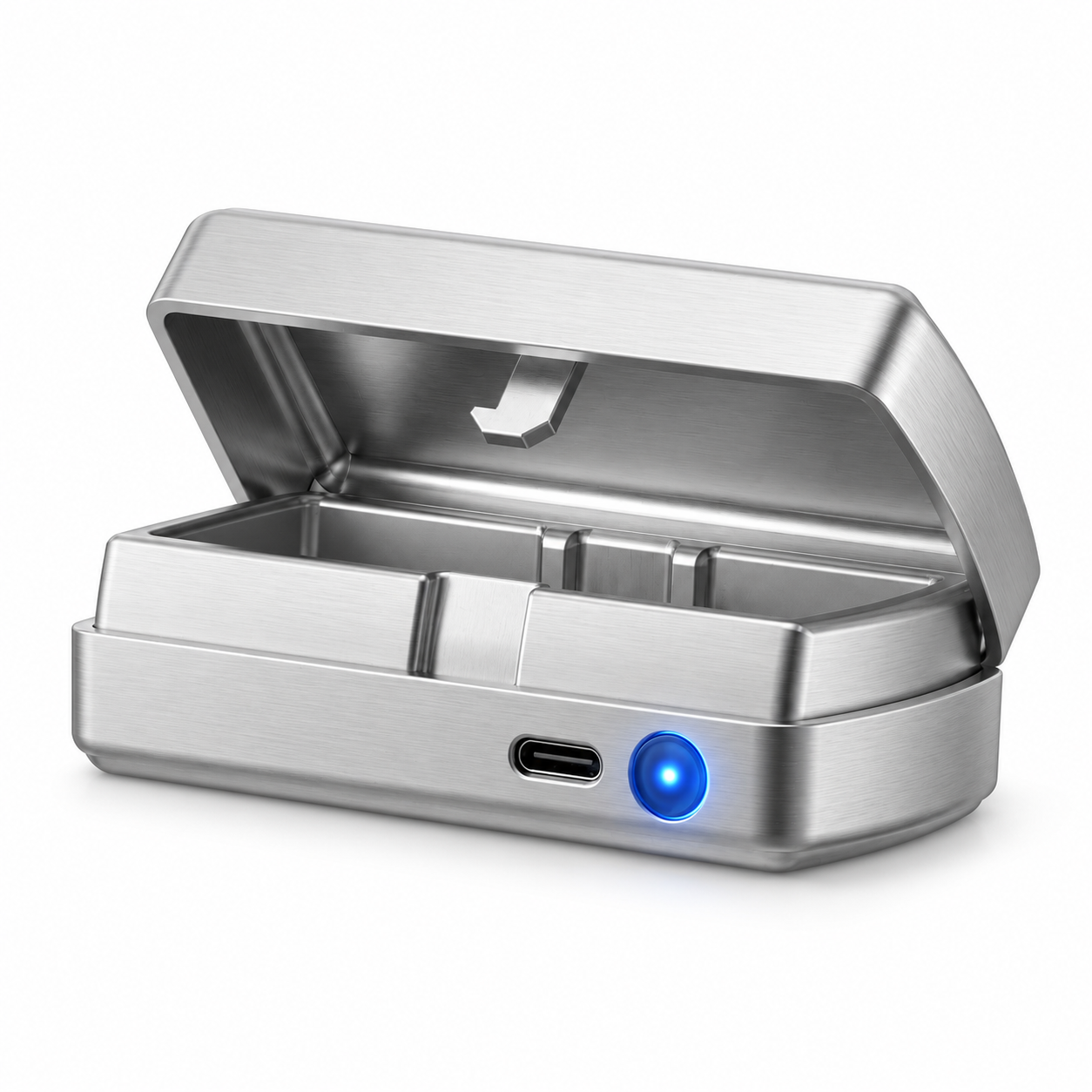
“Will my key fit?” is a dimensions question hiding inside a product-name question. The QIUI Metal Key Pod is a metal container for physical keys — its listing describes Bluetooth and app control, an offline timer and USB-C charging — but none of those features matter if the key physically does not go in.
This guide covers the measuring that answers the fit question honestly: which dimensions describe the box’s inside, how to measure a bulky key, and why key-count claims are only ever approximate. The pod’s system-level role is covered in the smart key box comparison.
Which dimensions describe the inside of the box?
The internal cavity’s three dimensions: length, width and depth — the space a key occupies, not the pod’s outside shell. Product photos show the exterior; specifications sometimes state the cavity; when neither states it, the seller question is one line: “What are the internal dimensions of the key compartment?” Anything measured outside tells you about pocketability, not fit.
Depth deserves special attention because it hides: a key that fits a cavity’s length and width can still stand proud of a shallow floor, preventing closure. The inside numbers, all three, are the only fit evidence.
How should a bulky key head be measured?
Measure the key’s worst case, not its average: total length lying flat, width at the widest point of the head or bow, and — the one everyone misses — height at the tallest feature: a thick bow, a folded fob, an attached cutout, a bottle-opener shoulder. Lay the key on a ruler and measure each extremity; the pod must swallow the tallest point or the lid will not close.
Then measure the honest candidate: the actual spare you intend to store, stripped of everything removable. Key chains, tags and covers add bulk that measurements of the naked key never see. The pod fits the key you will actually put in it — measure that one.
Why is a key-count claim only approximate?
Because keys vary. “Holds up to X keys” assumes average-sized keys without heads, fobs or thickness — real keys range from slim flat cuts to chunky security bows that occupy triple the volume. Two keys of one shape fit where three of another do not; the count is a marketing shorthand for a volume claim that only your measurements can verify.
Use the claim as a starting filter, then verify with your own numbers: cavity dimensions versus your key’s three worst-case measurements, with a millimeter or two of clearance for insertion angle. The claim got you interested; the calipers get you confident.
QIUI Smart Key Holder – App-Controlled Metal Key Pod
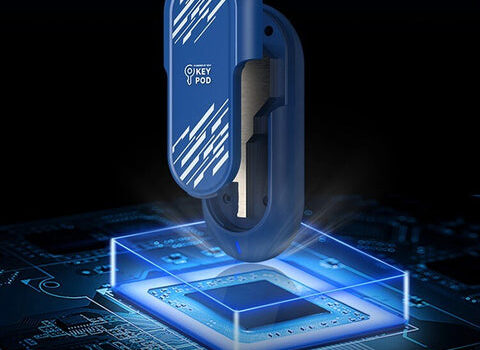
The pod in question — metal key storage with app control, timer and USB-C: The QIUI Metal Key Pod adds a dedicated metal box for physical keys, with listed Bluetooth/app control, an offline timer and USB-C charging. Choose it for managing the key rather than replacing the cage itself. Keep an independent emergency-access arrangement outside any timed box.

What should you confirm before ordering?
Three lines in one message: the internal cavity dimensions in millimeters; whether the lid closure has a minimum or maximum key profile it tolerates; and the return path if your key does not fit. With your key’s three measurements beside them, the fit question answers itself before shipping — and the pod’s smart features can be evaluated on their merits rather than as compensation for a key that didn’t go in.
Then place the pod honestly in your setup: a controlled, app-managed home for the ritual key — with the emergency spare outside it, in a boring place, exactly as the access-planning guides insist. Fit first, features second, exit planning always.
Fit is three inside numbers against your key’s three worst-case measurements — everything else is features. Measure honestly, confirm the cavity in writing, and let the pod hold the ritual key while the boring spare stays where hands reach it. The best key box is the one your key actually enters.
This guide includes promotional links to ChastityCage.co. To check the pod’s current listing, view the QIUI Metal Key Pod at ChastityCage.co.