Measure an empty chastity cage with a ruler: visible reference points, inside vs overall length, axis alignment — and what the ruler honestly cannot reach.
This guide is not medical advice. Stop use if significant pain, numbness, swelling, discoloration or circulation concerns occur.
Measuring an empty cage with a ruler is the fastest way to produce numbers a seller, a chart or your own records can use — provided the references are visible and the ruler stays honest. Most cage-measurement errors are reference-point errors, not ruler errors.
This guide walks the ruler method step by step. The chart-reading side of the same skill is in the size-chart guide, and the length concepts behind the numbers are in the length guide.
Choose a visible reference point
Pick two points you can see and touch identically every time: the inner rear surface of the cage (where the body enters) and the inner tip of the front opening. Mark them mentally, or with a sliver of tape on metal, before the ruler moves. A measurement without named reference points cannot be repeated — and an unrepeatable number is noise on your records.
Use the same reference points the listing’s own chart uses where possible, so your number and the product’s number describe the same span instead of adjacent ones.
Separate inside length from overall length
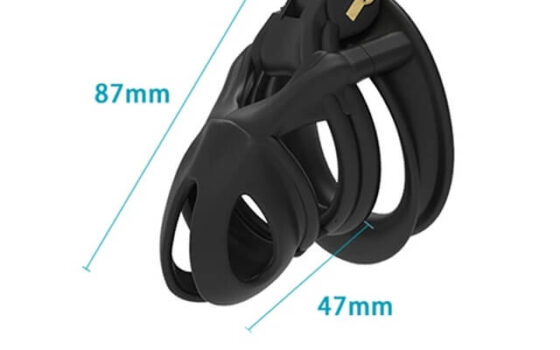
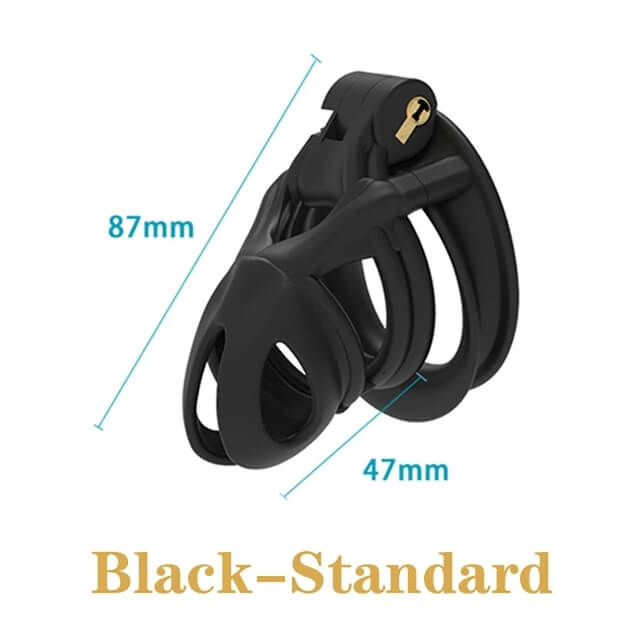
Inside length runs from the inner rear surface to the tip along the space the body occupies. Overall length runs from the rearmost hardware to the frontmost point — including the connector and anything at the tip. The two numbers differ by the depth of the rear plate and the front hardware, easily ten millimeters on a small cage. Measure both, label both, and never let one stand in for the other in a listing comparison.
For curved cages, run the ruler along the curve in segments and sum them; a straight-line chord measurement of a curved body understates the internal space the body actually travels.
Keep the ruler aligned with the axis
The ruler must run along the cage’s central axis — the line the body travels — not tangent to its side. Hold the cage and ruler at eye level and check the ruler’s edge against both reference points before reading; a five-degree tilt on a 70 mm span shifts the reading by millimeters. Read the scale straight-on as well: parallax at an angle adds its own error.
One reading is a draft. Take three, note the spread, and record the value the readings agree on. Agreement between your own attempts is the cheapest accuracy check there is.
The Viper Chastity Cage V7.0 EVO
A kit whose chart gives your ruler numbers to check against: The Viper V7.0 EVO’s listing states its four included ring sizes (38/43/48/52 mm) and length classes in documented rows, so your ruler readings have something verifiable to compare against. Check: measure the cage class you actually selected — the chart numbers belong to variants, and each class carries its own internal length.

Record what a ruler cannot reach
A ruler measures what it can touch in a straight line. It cannot see internal width at the narrowest point, the ring’s inner diameter, the gap, or how any of it behaves on the body — so the record should say so. Note beside the number what was measured (“inside length, rear surface to tip, three readings”), and leave the unreached dimensions as questions for the listing’s chart or the seller.
A number with its method attached is usable for years; a bare number invites the next measurement to contradict it. The record discipline is the point of the exercise.
Flat & Small Chastity Cage Set
And the set where the ruler settles which body is which: The Flat & Small Set’s two cage bodies are easiest to tell apart with measured numbers rather than by eye — one ruler session per body, recorded beside the package list, keeps the flat and small silhouettes clearly identified in your kit records. Check: measure each body separately and label the results; similar-looking cages earn their names from numbers.

Named reference points, inside versus overall kept separate, the ruler on-axis, three readings, and honest notes about what the ruler cannot reach — the ruler method in five habits. Ten minutes at the table produces numbers that charts, sellers and your own memory can all work with.
This guide includes promotional links to ChastityCage.co. For kits with documented chart rows to measure against, browse chastity cage kits at ChastityCage.co.
Related ChastityNow guides
- How to read a chastity cage size chart
- Chastity cage length guide