Choose a second chastity cage from your first device's specific shortcoming. Which measurements transfer, and which upgrade path fits which failure.
This guide is not medical advice. Stop use if significant pain, numbness, swelling, discoloration or circulation concerns occur.
The second chastity cage is where buyers either consolidate what they learned or repeat the first purchase with new paint. The difference is one question: what, specifically, did your current device teach you? “It is okay” is not an answer — a ring that rotates, a profile that prints through work trousers, or a cage length that never felt right are answers.
This guide turns those answers into a decision about your next kit, keeping the measurements you already trust and changing only what the first device got wrong. If the first device is still ahead of you, read the selection framework first.
What are you trying to change from your current setup?
Name the failure before browsing. Common ones: the single included ring was the wrong size and buying rings separately is getting expensive; the standard profile shows under fitted clothing; the cage is too long and levers the ring downward all day; or the material is fine but you are curious whether a flatter silhouette suits you. Each failure points at a different upgrade path.
Write the failure as a sentence with a measurement in it — “the 50 mm ring slides when I walk” or “the standard length pulls at the ring after an hour seated.” Vague dissatisfaction produces vague second purchases, which is how drawers fill with near-duplicates. The flat-versus-standard comparison can help you name profile problems precisely.
Which measurements should stay comparable?
Your base-ring size and usable length are the two numbers that transfer between devices — if they were measured well and the first device actually confirmed them in wear. A ring size that held a stable, uneventful fit is a proven number; carry it into the next purchase and select it directly instead of re-buying a fitting range you no longer need.
What does not transfer: model-specific names, cage length classes (“small” on one product is not “small” on another), and gaps. Those depend on the design and must be re-read from the new listing’s own chart. Keep your proven numbers in millimeters on paper; compare them against the new product’s published internal dimensions, not its marketing size name.
Should you change the cage or the ring system?
If the ring was the problem — slipping, pinching, never quite right — change the ring system, not the whole concept. Upgrading from a one-ring purchase to a four-ring kit settles the question inside a single order. If the cage body was the problem — profile, length, cleaning access — keep the ring format you trust and change the body: a flatter design, a shorter class, a more open structure.
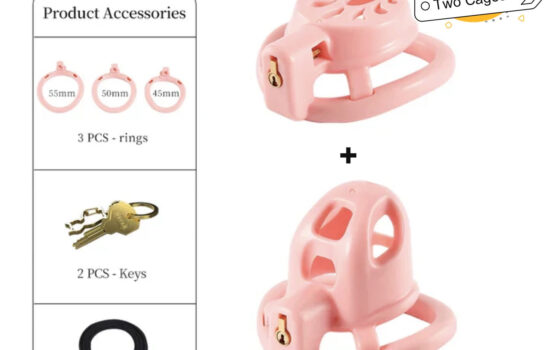
And if the problem is curiosity rather than failure — you want to feel the difference between a flat and a small-profile cage before committing to one — buy the comparison, not a single guess. Two cage bodies on one shared ring set answer that question directly, which is exactly what the dual-shape set is built for.
The Viper Chastity Cage V7.0 EVO
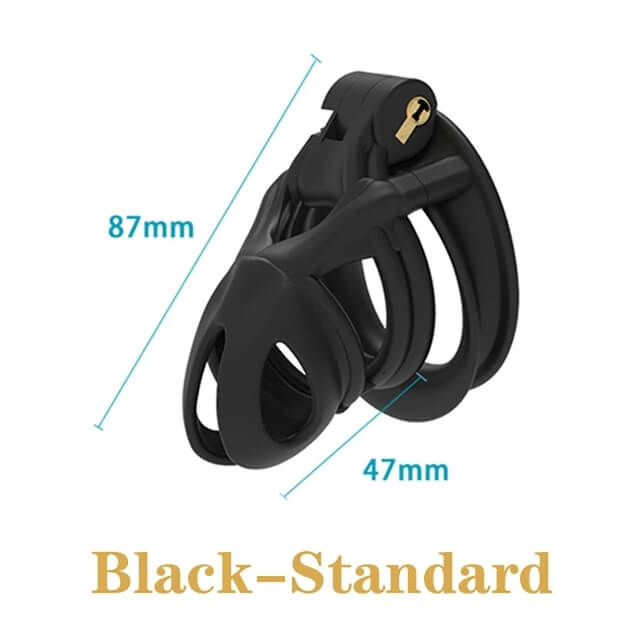
The upgrade that settles ring size inside one order: Choose the Viper V7.0 EVO for a nylon-resin kit with four base rings. One selected cage, a lock with two keys and a safety pin are included, giving you a clear starting set without buying each ring separately. Select the cage size on the product page.

Flat & Small Chastity Cage Set
The upgrade that buys you the shape comparison directly: The Flat & Small Set includes two cage shapes, three rings, two keys and an adjustable support belt. Choose it when you would rather compare a flat and a small shape within one package than order two separate kits. Pink and Black are separate color choices.

How can you keep a useful comparison record?
Keep a two-column log: what the old device did, and what the new one changes. Record the worn configuration, the session length, where pressure appeared, and how skin looked after removal. After a few weeks the log tells you whether the upgrade solved the named failure — and it becomes the measurement record for purchase number three.
A short log also protects you from upgrade drift. If the new device fixes the ring but you discover you miss the old profile, that is data, not a failure — the next purchase can combine a proven ring size with the better silhouette, and the record tells you exactly which parts to keep.
A second cage should be chosen by the first cage’s honest report card. Change the system that failed, keep the numbers that proved themselves, and log the comparison so purchase three is easier than purchase two. Upgrading is about correcting one specific thing — not about collecting every profile on the market.
This guide includes promotional links to ChastityCage.co. To compare upgrade candidates, browse chastity cage kits at ChastityCage.co.