Returning a chastity kit from storage: verify inventory, inspect for damage, recover care instructions — and know which findings trigger a new purchase.
This guide is not medical advice. Stop use if significant pain, numbness, swelling, discoloration or circulation concerns occur.
A kit returning from a drawer is not the kit that went in — time, moisture and household geology happen at drawer scale. The return check is the unboxing checklist’s older sibling: same suspicion, aimed at everything that happened after delivery day.
This guide covers the equipment side of returning to wear. The wear-side restart is the domain of the site’s break-in and schedule guides; this page stays on the hardware’s version of “hello again.”
Does the inventory still match the kit?
Count the pouch against its label and the kit’s page: bodies, rings with sizes, lock, keys, extras — the package list as shipped, minus anything recorded as retired. Storage redistributes quietly: a ring in a coat pocket, a key in last year’s travel bag, a spacer that migrated to the other kit’s pouch. The count is the return check’s first line because every later line depends on knowing what you actually have.
Discrepancies get resolved in writing before wear: found items re-labeled, missing items assessed (replace versus proceed without), and the inventory page updated to match the drawer — the record certifies reality, or it certifies nothing.
Are any parts missing or damaged?
Inspect with return-trip eyes: edges that were smooth may have accumulated nicks from drawer life; metal surfaces may show corrosion spots where humidity sat; elastics and fabrics age even unworn; and locks that sat unused may bind. Twenty lock cycles off-body, a fingertip along every edge, mesh junctions checked on chainmail designs — the storage inspection is the wear inspection with a lower threshold for intervention.
Damage discovered now is cheap: a seller message within a return window, or a dimension-matched replacement ordered calmly. Damage discovered during the first session back is the same problem wearing a worse schedule.
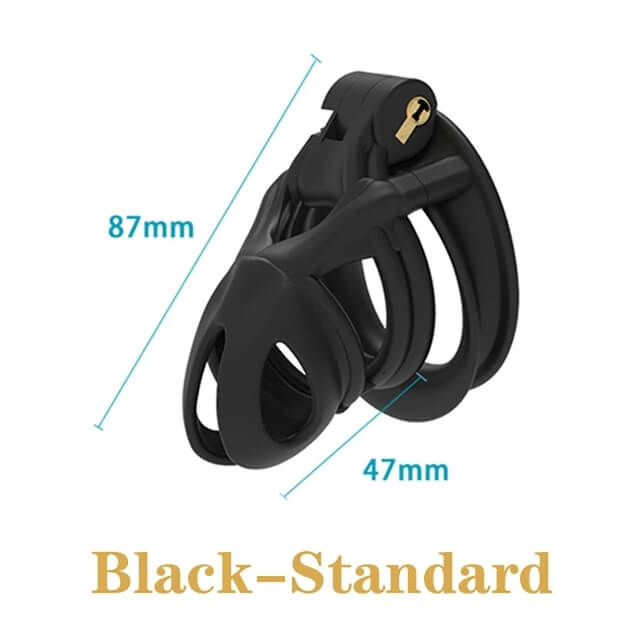
The Viper Chastity Cage V7.0 EVO
The kit whose package list makes the return count straightforward: Choose the Viper V7.0 EVO for a nylon-resin kit with four base rings. One selected cage, a lock with two keys and a safety pin are included, giving you a clear starting set without buying each ring separately. Select the cage size on the product page.

Are the care instructions still available?
Check before the first wash: the maker’s care text, saved at purchase, still governs the materials — and if storage outlasted the listing’s redesign, your saved copy may be the only one that exists. Screenshots in the kit folder, per the records discipline. Re-read the text rather than trusting memory: “mild soap, complete drying” survives every redesign, but the material-specific limits deserve their annual review.
If the instructions are gone and the listing has changed, one seller message recovers them — the care text is the maker’s document, and makers answer requests for their own manuals.
Which changes require a new buying decision?
Three findings trigger the parts-and-purchase rules rather than the wash basin: a part missing beyond the kit’s completeness (replacement sourcing, per the parts guides); damage at a load-bearing point (replacement, not repair); or a fit no longer matching your current measurements — bodies change during storage periods too, and the remeasure question applies to returning kits exactly as to new purchases.
Everything else is maintenance: wash, dry, verify, wear. The return check earns its fifteen minutes by drawing the line precisely — what returns to service today, and what re-enters the buying process instead.
Count against the record, inspect for drawer damage, recover the care text, and sort every finding into maintenance or a new decision. Stored kits return as good as they left — when the return is run as deliberately as the delivery was. The drawer gave you a kit back; the check confirms whose condition.
This guide includes promotional links to ChastityCage.co. For kits that store as complete systems, browse chastity cage kits at ChastityCage.co.